
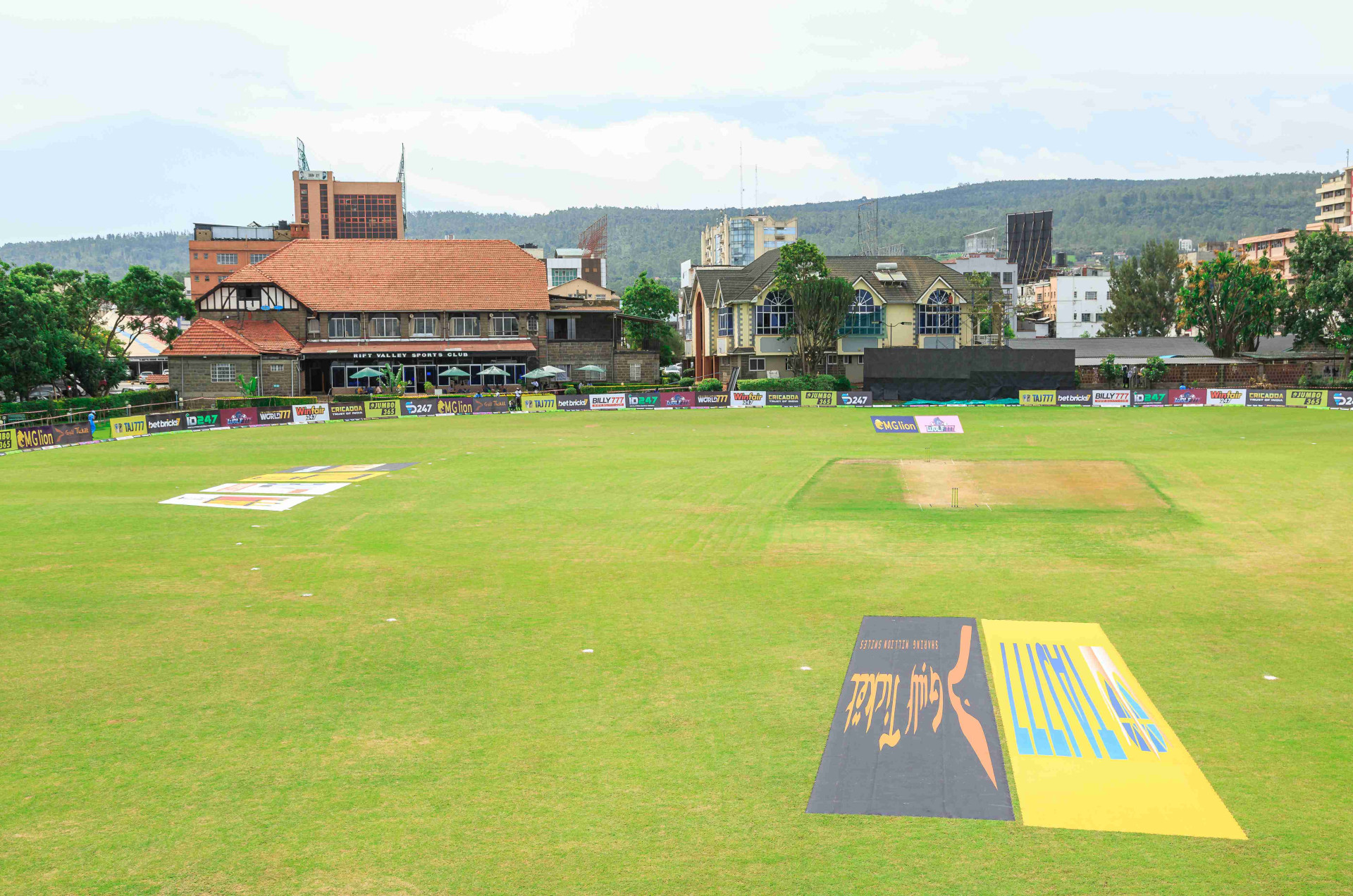
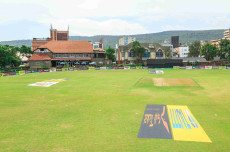
- Today, heritage sites like the Rift Valley Sports Club, Nakuru Athletic Club, and Racecourse estate stand as living museums, blending colonial architecture with modern sports and social life. They are reminders of privilege, identity, and history that still shape Nakuru’s rhythm.
Walk through Nakuru today and you’ll see estates rising, matatus weaving through Kenyatta Avenue, and malls buzzing with shoppers.
Yet beneath this modern rhythm lie the lingering footprints of polo fields, racetracks, and exclusive clubs built more than a century ago.
When the British carved out the White Highlands in the early 1900s, Nakuru became more than a railway stop.
It was deliberately envisioned as a settler capital. Farms were laid out, but so too were polo grounds, racetracks, and elite clubs.
These spaces were not accidental—they were deliberate imports of aristocratic leisure culture, designed to replicate the lifestyles of Europe’s elite in the heart of the Rift Valley.
This colonial blueprint left deep imprints on Nakuru’s social fabric, shaping its identity as a hub of prosperity and privilege.
Few residents today know that Nakuru once hosted colonial horse races and polo tournaments, spectacles that reinforced its image as a European leisure town.
Racetracks near Lake Nakuru and polo fields within settler clubs became arenas of wealth and power, where colonial elites gathered to compete, display status, and cement their social hierarchy.
The echoes of that past remain. Nakuru still hosts several heritage clubs and racetracks that carry forward colonial architecture, traditions, and leisure culture. They stand as living museums of the town’s layered identity.
Heritage Clubs and Racetracks
1. Rift Valley Sports Club (RVSC)
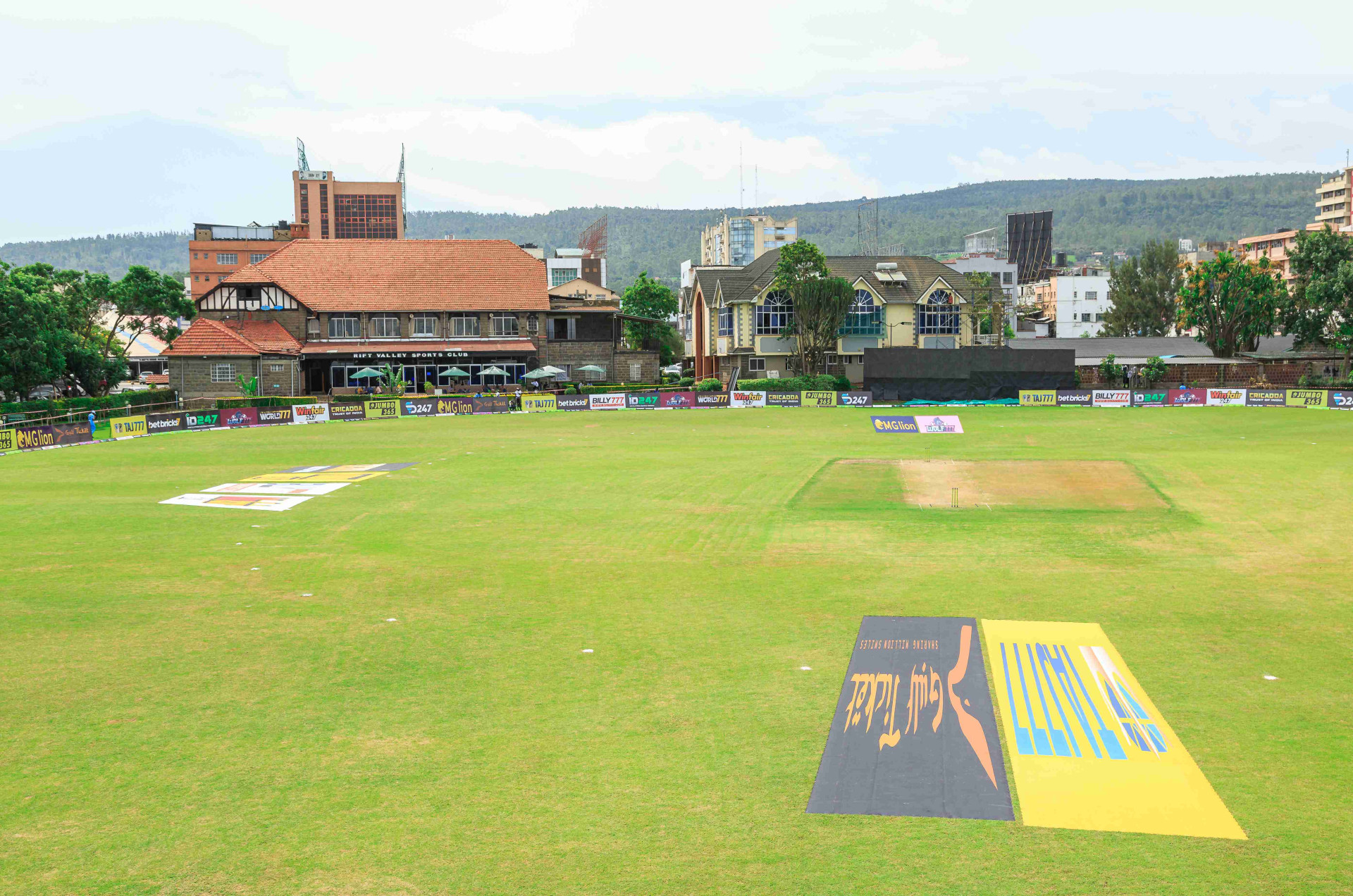
Founded in 1907 by English settlers, it was one of Nakuru’s earliest exclusive clubs, designed for polo, cricket, and social gatherings. Today it remains a prestigious sports and social hub, offering accommodation, swimming, tennis, and cultural events.
2. Nakuru Athletic Club (NAC)
.png)
Established in 1926 and nicknamed “The Golden Club,” it became a center for rugby, athletics, and colonial social life. Its architecture reflected settler leisure traditions. It remains active today, hosting rugby tournaments and community events, and will mark its centenary in 2026.
3. Nakuru Golf Club
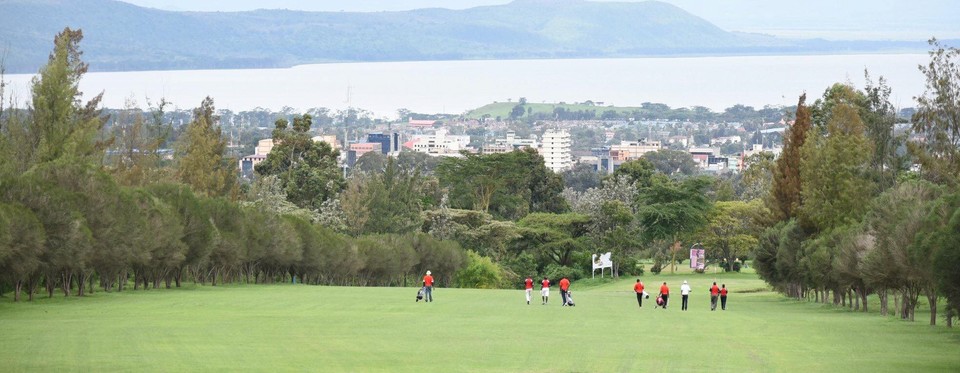
Built in the early 20th century as part of colonial leisure infrastructure, it offered golf and social networking for settlers. It continues to operate as a golf course and social venue, retaining colonial design elements.
5. Nakuru Racecourse / Joyland Racecourse
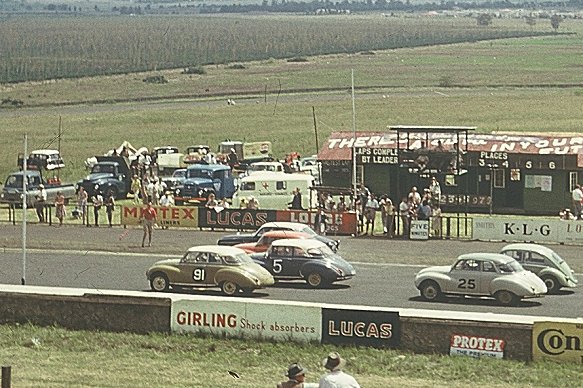
Nakuru’s Racecourse estate and Langalanga circuit were colonial‑era hubs for horse racing and later motorsport.
Langalanga hosted Formula One‑style motor racing from 1956 to the 1970s, while Racecourse estate traces its name to colonial horse racing routes
Founded in the colonial period, these grounds symbolized settler aristocracy through polo and horse racing. They are still referenced locally, with some repurposed for events and leisure.
Why They Matter
1. Colonial Legacy: These sites embody Nakuru’s identity as a colonial leisure capital, where polo, horse racing, and exclusive clubs reinforced settler privilege.
2. Architectural Heritage: Many retain colonial‑era designs, making them living museums of Nakuru’s past.
3. Cultural Continuity: They remain active venues, blending heritage with modern sports and social life.
4. Tourism Potential: As heritage sites, they offer opportunities to narrate Nakuru’s layered history—flamingos and natural beauty alongside colonial exclusivity.
These clubs and racetracks are more than relics—they’re mirrors of Nakuru’s past. What story do you see when you walk by them today? Share your thoughts in the comments down below.
Stay connected with us on WhatsApp and Facebook for instant updates and breaking news as it happens.

-1769507417-md.png)
-1769442279-md.png)


-1769507417-sm.png)