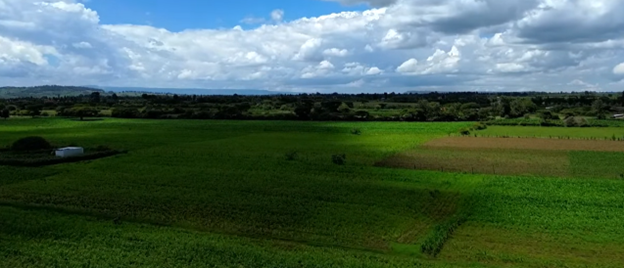
- Before Moi made Kabarak his residence in the 1970s, the area was largely rural farmland, owned and managed by white settlers during the colonial period. Like much of the Rift Valley, Kabarak was part of the White Highlands, vast tracts of fertile land reserved for European settlers. It was used for farming and ranching, typical of settler estates in Nakuru County.
Few places in Kenya carry as much layered meaning as Kabarak. It is at once a memory of colonial farmland, a symbol of Daniel arap Moi’s presidency, and a modern hub where thousands of students shape their futures.
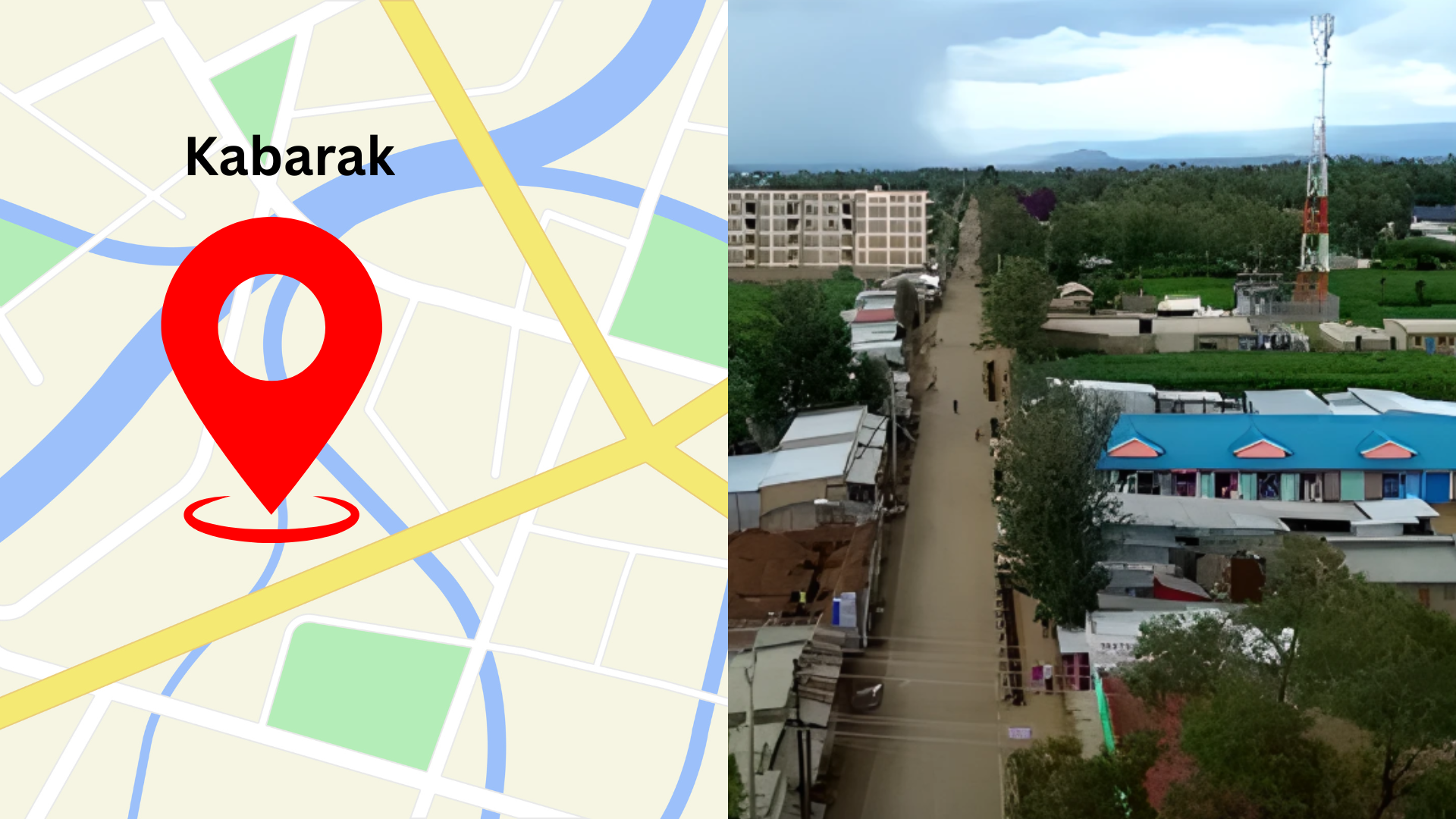
Located in Rongai Constituency, Nakuru County, Kabarak lies along the Nakuru–Eldama Ravine road, about 20 kilometers northwest of Nakuru town — a short 30 to 40‑minute drive depending on traffic. What was once a quiet stretch of farmland has grown into a nationally significant center of education, politics, and community development.
Roots in Farmland
Before Moi made Kabarak his residence in the 1970s, the area was largely rural farmland, owned and managed by white settlers during the colonial period. Like much of the Rift Valley, Kabarak was part of the White Highlands, vast tracts of fertile land reserved for European settlers. It was used for farming and ranching, typical of settler estates in Nakuru County.
The name itself comes from the Kalenjin language, meaning “small elevated place.” Historical accounts note that Moi later acquired the expansive 3,000‑acre Kabarak farm from a settler, adding it to his growing portfolio of land in the Rift Valley. At the time, it was simply agricultural land with no major institutions or political significance.
Read More
Moi’s Transformation
Once Moi acquired the land, Kabarak’s story changed forever.
In the 1970s, he built Kabarak High School, which quickly rose to become one of Kenya’s top performing schools. In 2000, he established Kabarak University, later chartered in 2008, cementing the area’s reputation as a hub of higher learning.
His private residence at Kabarak became a political retreat and decision‑making center during his presidency (1978–2002).
The influx of students and staff created demand for shops, restaurants, housing estates, and transport services. Education institutions became the economic engine of the area, stimulating entrepreneurship and turning Kabarak into a destination for students nationwide.
Kabarak has sparked the rise of several centres and neighbourhoods, among them the Rafiki Trading Centre, which developed to serve students, staff, and residents around the university.
Over time, Rafiki has grown into a vibrant hub known for its shops, eateries, and housing facilities that specifically target the needs of the academic community. Today, it acts as a bustling commercial centre, providing essential services and daily conveniences that support the life and growth of Kabarak.
Kabarak Today Kabarak is now a thriving educational and residential hub. It is best known for Kabarak University, with over 12,000 students, and Kabarak High School, still among Kenya’s most respected secondary schools. The area around Moi’s former residence has grown into a well‑developed community with improved roads, health facilities, and ongoing county development projects.
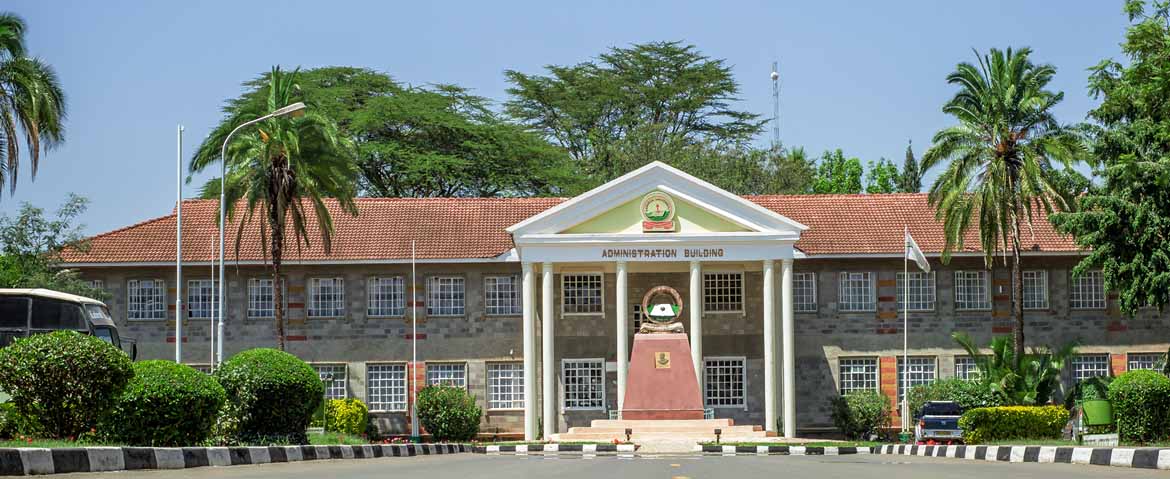
A major project is now underway: the Moi family, through Kabarak University, plans to build a Sh35 billion (≈USD 270 million) private teaching and referral hospital on a 100‑acre site along the Nakuru–Ravine road. The facility will feature 500 beds, advanced cancer treatment and research centers, and serve as a teaching hospital linked to Kabarak University’s medical school.
Legacy and Identity
Today, Kabarak is synonymous with Christian‑based education and values, reflecting Moi’s vision of moral leadership. Its identity has shifted from being “just a place” to a symbol of excellence and legacy in Kenya’s education sector.
Kabarak’s journey reminds us that places carry legacies — but they also shape futures. How do you see Kabarak influencing the next generation? Share your thoughts in the comments section down below.
Stay connected with us on WhatsApp and Facebook for instant updates and breaking news as it happens.