
- During the colonial era in the 1950s, British policies prioritized large‑scale irrigation and settler agriculture, redistributing water away from indigenous communities. Infrastructure served elite households, leaving African families vulnerable to drought and seasonal shortages.
Nakuru County Governor Susan Kihika has highlighted new developments that are reshaping communities by tackling one of the county’s most persistent challenges: water shortages. In a post on her official X account, she affirms that this week remains productive, with steady progress in water access, sanitation, and service delivery.
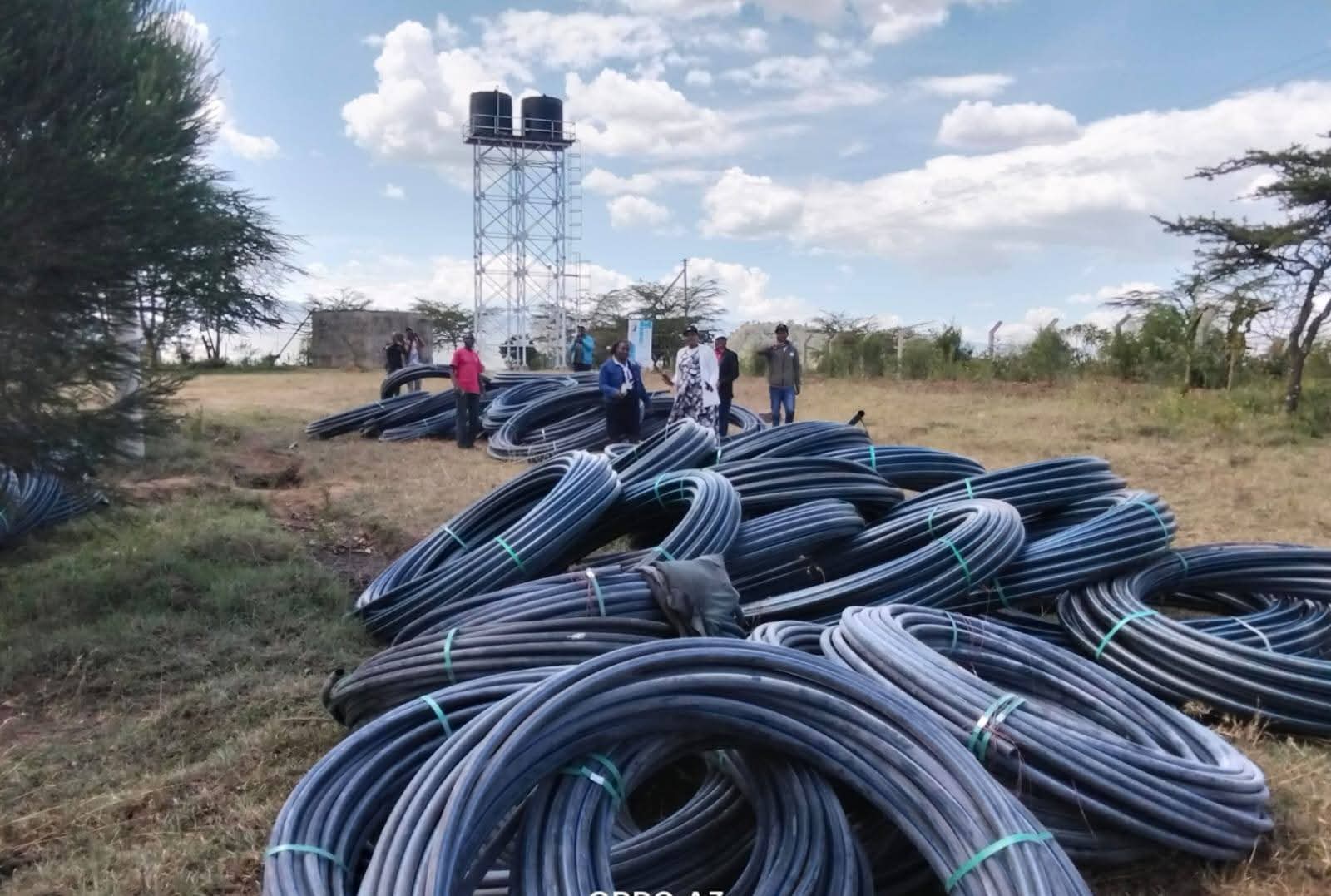
In Maiella Ward, Naivasha Sub‑county, more than 3,000 residents will soon draw clean, safe water closer to their homes. “The delivery of 7.2km of new water pipes ends the burden of long‑distance collection, improves sanitation, and strengthens livelihoods,” Governor Kihika says.
On Monday, December 8, 2025, the county government handed over the site for drilling a new borehole at Kapkwen Primary School. The project will ease the strain of water access for learners and families. In Sirikwa Ward, Kuresoi North, the Nyakinyua Water Project advances steadily, with the water storage tank now 75% complete—an investment that promises to stabilize supply in a region long plagued by scarcity.
Nakuru’s water crisis is not new. It traces back to colonial mismanagement, rapid urban growth, and environmental pressures. The problem, dating to the mid‑20th century, continues to shape the county’s development.
During the colonial era in the 1950s, British policies prioritized large‑scale irrigation and settler agriculture, redistributing water away from indigenous communities. Infrastructure served elite households, leaving African families vulnerable to drought and seasonal shortages.
Read More
After independence, Nakuru inherited fragmented systems and limited investment in equitable distribution. Rapid urbanization and population growth strained supply. Informal settlements relied on boreholes and vendors.
Studies show scarcity stems from poor infrastructure, over‑reliance on groundwater, and climate variability. Deforestation in the Mau Forest reduced river flows, while climate change intensified rainfall variability, alternating floods and droughts.
Stay connected with us on WhatsApp and Facebook for instant updates and breaking news as it happens.