
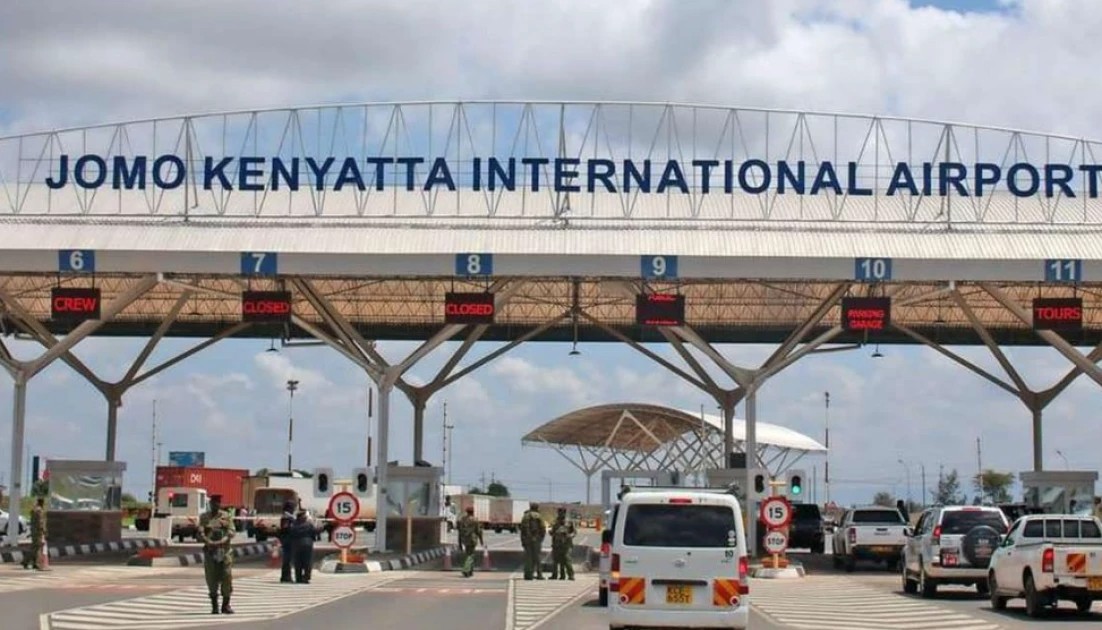
- The project, led by the Kenya Airports Authority (KAA), will deliver a new passenger terminal, upgraded runways and taxiways, expanded cargo facilities, and improved road access.
The Government of Kenya has unveiled a bold expansion plan for Jomo Kenyatta International Airport (JKIA), setting the stage for a major transformation of the country’s busiest aviation hub.
The project, led by the Kenya Airports Authority (KAA), will deliver a new passenger terminal, upgraded runways and taxiways, expanded cargo facilities, and improved road access.
It also includes the creation of an Airport City and Special Economic Zone (SEZ) designed to attract logistics, manufacturing, and service industries, positioning JKIA as a fully integrated aviation‑led economic hub of national and regional significance.
According to a statement on March 3, 2026 by the Cabinet Secretary (CS) for Roads and Transport Davis Chirchir, the expansion will ease congestion, boost passenger capacity, and reinforce Kenya’s role as a gateway to Africa.
.jfif)
“Currently, the airport is experiencing significant congestion during peak operation hours, particularly across the runway system, passenger terminal facilities and apron areas,” read the statement in part.
Behind this announcement lies a pressing reality. JKIA has been operating beyond its designed capacity, handling 8.93 million passengers in 2025 against a limit of 7.5 million.
Forecasts project traffic to rise to 22.31 million passengers by 2045, while cargo volumes are expected to more than double from 407,214 tons to 860,400 tons.
The airport’s single runway, limited apron space, and congested terminals have created operational bottlenecks that threaten efficiency and competitiveness.
The Integrated Master Plan and Feasibility Study, concluded in February 2026, identified these shortfalls and recommended a phased development approach: immediate upgrades to existing facilities and long‑term expansion to meet future demand.
The expansion blueprint responds directly to these challenges. A new passenger terminal will accommodate an additional 10 million travelers annually, while upgraded taxiways, aprons, and aircraft support facilities will improve airside operations.
Essential infrastructure such as air traffic control, firefighting stations, cargo and maintenance facilities, and fuel systems will be modernized. Landside improvements will ease road congestion and provide expanded parking for the new terminal.
Beyond aviation, the Airport City and SEZ will stimulate economic activity by attracting high‑value industries such as agro‑processing, pharmaceuticals, e‑commerce fulfillment, and regional distribution, while also hosting business parks, hotels, convention centers, and mixed‑use developments.
“The Government through the Ministry of Transport and Kenya Airports Authority is committed to transparent implementation of the project and will continue to keep stakeholders and the public informed as the project progresses,” said the CS.
Stay connected with us on WhatsApp and Facebook for instant updates and breaking news as it happens.