- The admission comes as the National Infrastructure Fund Bill advances to its second reading in the National Assembly. The bill seeks to establish a framework for financing large‑scale projects in transport, energy, housing, and water.
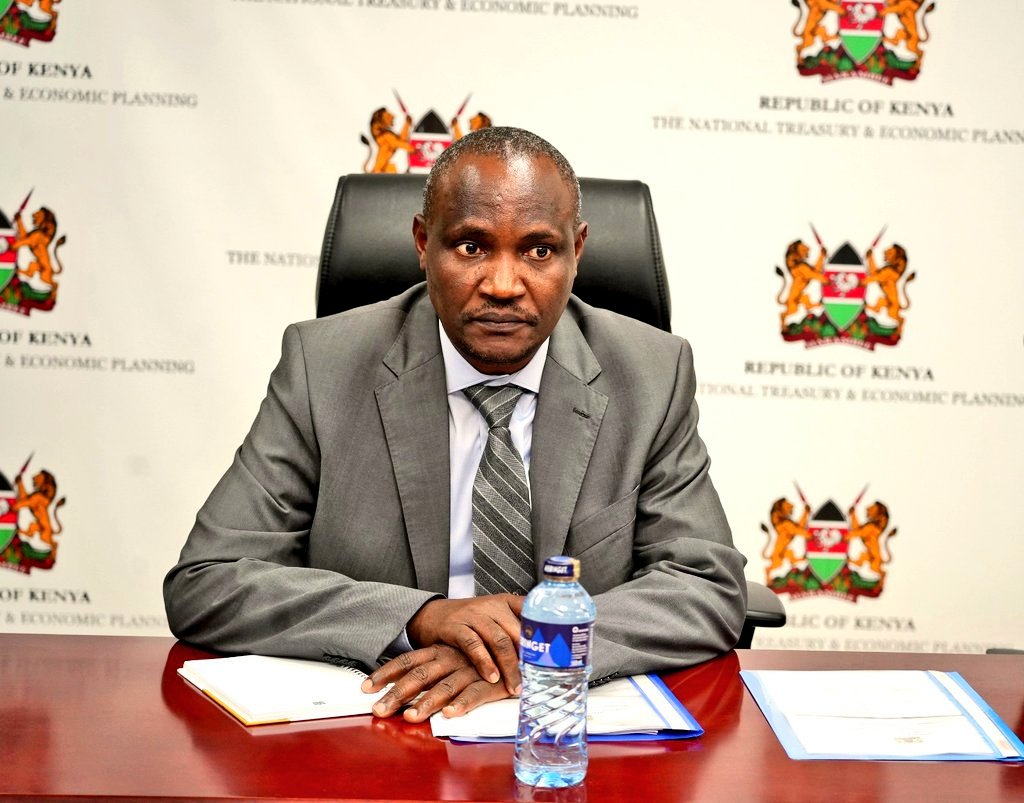
National Treasury and Economic Planning Cabinet Secretary (CS) John Mbadi has admitted to misleading Parliament and the public over the status of the proposed Sh5 trillion National Infrastructure Fund.
In an affidavit filed at the Milimani High Court, Mbadi confessed that he wrongly told a parliamentary committee the fund had already been established as a limited liability company, a statement that directly contradicts his earlier testimony before lawmakers.
“During the said proceedings, I mistakenly informed the committee that the National Infrastructure Fund had already been established as a limited liability company,” Mbadi said.
He attributed the misinformation to his technical officers, explaining that he relied on internal briefings that later proved inaccurate. While acknowledging the error, he insisted there was no deliberate attempt to mislead Parliament.
“I genuinely believed, albeit mistakenly, that the incorporation process had been finalized noting that the processes at the Business Registration Bureau are quite seamless and ordinarily take a few days,” he added.
Read More
The admission comes as the National Infrastructure Fund Bill advances to its second reading in the National Assembly. The bill seeks to establish a framework for financing large‑scale projects in transport, energy, housing, and water.
The government argues the fund will mobilize local and international capital, reduce reliance on traditional borrowing, and accelerate development. Officials maintain that the initiative is designed to strengthen Kenya’s capacity to deliver transformative infrastructure.
Oversight institutions, however, have raised sharp concerns. The Controller of Budget and the Auditor General have flagged provisions in the bill that appear to exclude their offices from authorizing withdrawals and monitoring expenditures. Critics warn that bypassing these constitutional offices could weaken accountability and expose public resources to misuse.
Despite the criticism, Majority Leader Kimani Ichung’wa has defended the proposal, insisting it will enhance Kenya’s ability to deliver transformative projects in roads, railways, energy, water, and other strategic assets.
Approved by Cabinet in December 2025, the National Infrastructure Fund is envisioned as a sovereign investment vehicle designed to mobilize Sh5 trillion (about $38 billion) over 10 years.
The model shifts away from sovereign loans toward attracting private and institutional capital. Initial funding is expected from the privatization of state‑owned assets such as stakes in Safaricom and Kenya Pipeline Company alongside parliamentary appropriations.
Stay connected with us on WhatsApp and Facebook for instant updates and breaking news as it happens.