- Numbers alone do not win elections; organization does. UDA displayed not just popularity but infrastructure. From governors to MCAs, the party recruited candidates while building a national electoral architecture that reached every ward, constituency, and county.
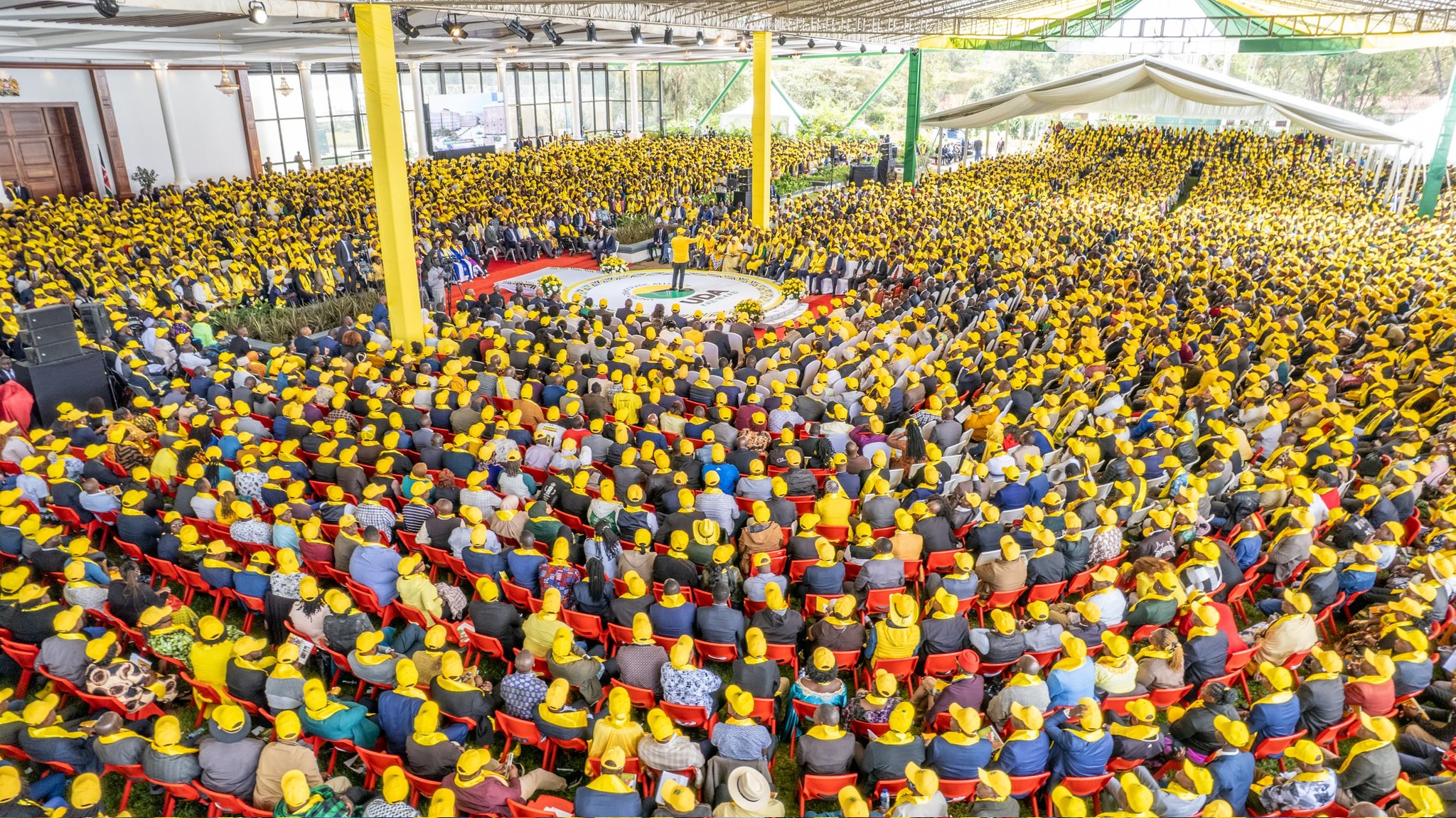
The United Democratic Alliance (UDA) Party Aspirants Forum, held at State House on Wednesday, February 4, 2026, signaled scale, structure, and strategy. With 12,353 aspirants across all elective positions, the gathering displayed organization, coordination, and political machinery in motion.
Numbers alone do not win elections; organization does. UDA displayed not just popularity but infrastructure. From governors to MCAs, the party recruited candidates while building a national electoral architecture that reached every ward, constituency, and county.
Political success in Kenya never happens by accident. Leaders build it through networks, systems, visibility, and structure. UDA currently operates as a movement more than a party—a brand with grassroots presence, identity recognition, and organizational penetration across the country. Elections are not won on manifestos alone; parties win them through mobilization capacity.
For aspirants, party identity matters. UDA has moved beyond being a ruling party; it has become a political platform with state visibility, national reach, and institutional presence. Association with power brings legitimacy, recognition, and access to structures that independent candidates and smaller parties struggle to match. In Kenyan politics, political machinery often determines electoral outcomes as much as individual popularity.
The incumbency factor also plays a role. Parties in power control narrative, visibility, and political momentum. Development projects, government communications, public engagement platforms, and state functions shape public perception. Aspirants operating within this ecosystem benefit from their association with national leadership and policy direction.
Read More
Beyond power lies strategy. UDA invested heavily in grassroots politics, including ward‑level mobilization, community engagement, youth structures, women’s networks, and digital platforms. This approach fostered local ownership, transcending national branding. Elections are local battles supported nationally, and UDA positioned itself strategically in both arenas.
The diversity of aspirants strengthens the party’s reach. With candidates across demographics, regions, and social groups, UDA mirrors Kenya’s social structure. Representation builds connection; voters relate to candidates who look like them, live like them, and understand their realities.
Public psychology also plays a role. Many voters prefer aligning with perceived winners. Political momentum creates psychological confidence. A party that appears organized, dominant, and nationally structured attracts undecided voters, swing voters, and strategic supporters. Winning energy reinforces itself.
However, success is not automatic. Internal competition, party nominations, public perception, governance performance, and economic realities will shape outcomes. Popularity today does not guarantee victory tomorrow. Voters are more informed, critical, and demanding than ever before. Performance, service delivery, and integrity matter.
Structurally, UDA aspirants enter the 2027 elections with advantages: national political infrastructure, grassroots organizational systems, institutional visibility, mobilization capacity, brand recognition, and political momentum. These are not small advantages; they are decisive factors in electoral success.
In Kenyan politics, elections are not merely contests of ideas; they are contests of systems. Systems prevail in wars of numbers, logistics, messaging, and mobilization.
This does not guarantee victory for every UDA aspirant. But it signifies that they enter the race with structural strength, organizational backing, and political machinery that significantly increases their chances.
In elections, belief wins hearts, but systems win ballots. As 2027 approaches, UDA is not just preparing candidates; it is positioning a national political machine.
The real test will not be ambition but discipline, not numbers but coordination, and not popularity but performance. In modern Kenyan politics, victory belongs not to those who shout the loudest but to those who organize the best.
Stay connected with us on WhatsApp and TikTok for instant updates and breaking news as it happens.