- This is why the brain resists forgetting; it holds onto memories not to punish us, but to teach us. In this way, forgetting becomes almost impossible, because memory insists on preserving lessons we might otherwise lose.
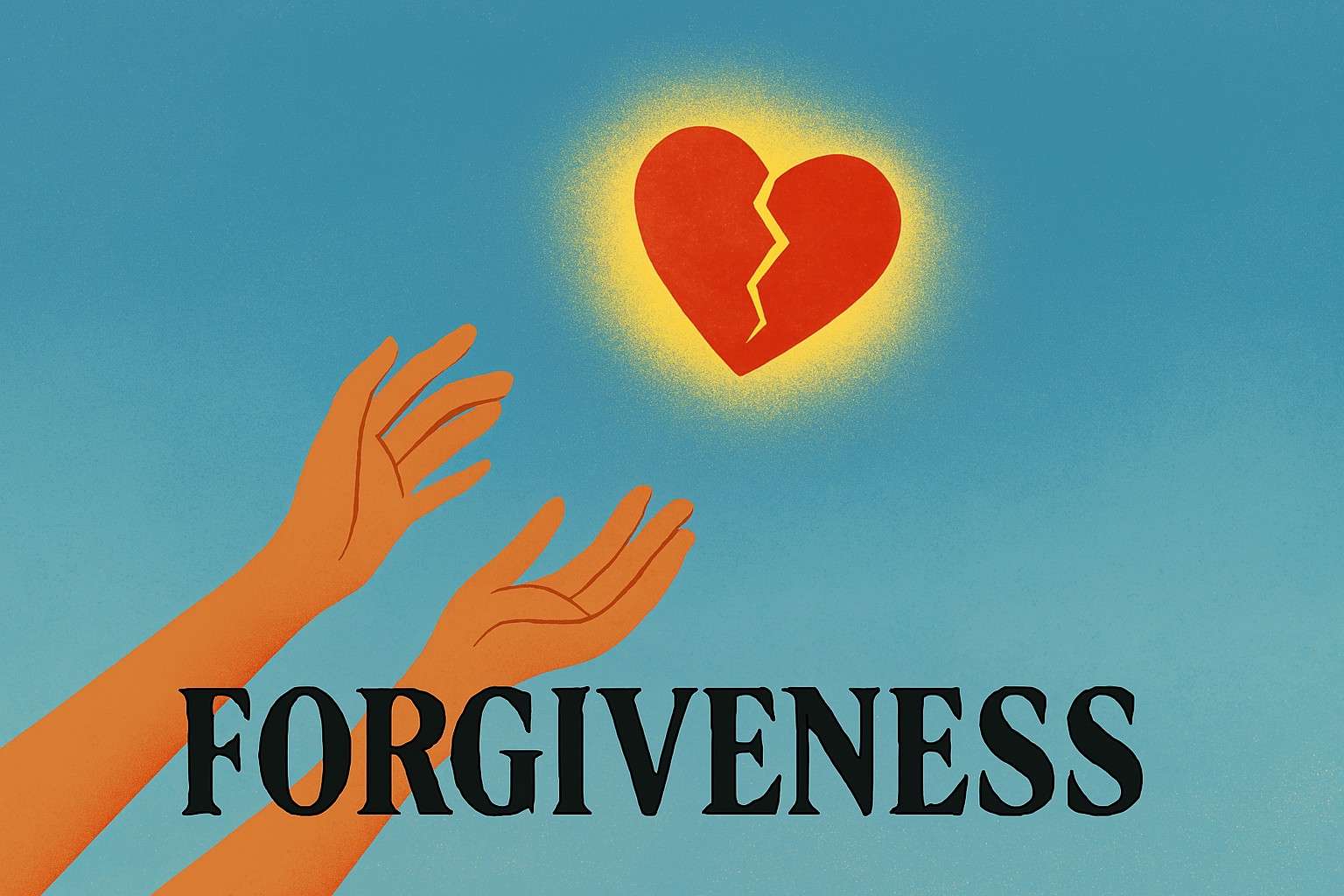
We often hear the phrase “forgive and forget,” but in reality, those two are not equal. Forgiveness is a conscious and voluntary decision to release resentment, anger, and vengeance toward a person or group that may have hurt you. Forgetting, on the other hand, is choosing not to remember or have any recollection of what occurred on a particular day.
In essence, the two are entirely different—one can be achieved by choice, the other lies beyond our control. Forgiveness may be an act of will, but forgetting is an act of memory—and memory rarely obeys us.
To some, forgiving comes easier than forgetting. For others, it’s the opposite. But which is easier? Is it easy to forgive? Or is it easy to forget? These reflections may guide us toward an answer.
1. Forgiveness Is Emotional, Forgetting Is Cognitive
Forgiving allows you to make peace with pain. By choosing to forgive, you allow yourself to feel the hurt, accept it, and find ways to cope. In many ways, forgiveness is choosing yourself and your peace over resentment, denial, and grief. Forgetting, however, requires erasing the memory itself—which is often impossible.
Read More
Memories, whether good or bad, shape our identity and tell our stories. They cannot simply be erased. That’s why forgetting will always be harder than forgiving.
2. Memories Protect You
Memories of hurtful experiences often serve as protective mechanisms. They remind us of past pain and help us avoid similar circumstances in the future. As the saying goes, “once bitten, twice shy.” Our daily experiences—whether joyful or painful—shape how we respond to life.
This is why the brain resists forgetting. It holds onto memories not to punish us, but to teach us. Forgetting becomes almost impossible because memory insists on preserving lessons we might otherwise lose.
3. Forgiveness Is a Choice, Not an Eraser
Forgiving doesn’t erase the past—it changes your emotional reaction to it. Instead of punishing yourself over and over again, you choose a path that brings clarity and peace. Where you once asked, “Why me?” you begin to ask, “How did I endure?”
And in the end, it’s far better to let go of what hurt you and find balance within yourself than to let pain dictate your actions, words, or worldview. Forgiveness is a second chance—not for those who wronged us, but for ourselves. It is the gift of peace we choose to give to our own hearts.
4. The Difficulty of “Removing” Memories
Removing memories is far more complex than simply deciding to forget. Memories are not files we can delete—they’re woven into the fabric of who we are. Even when we want to let go of painful experiences, the brain resists erasure because those memories serve a purpose: they protect us, shape our identity, and remind us of lessons learned.
The challenge lies in the emotional weight they carry. A hurtful memory is not just an event stored in the mind—it holds feelings of betrayal, sadness, or anger that resurface unexpectedly. Forgetting would mean stripping away part of our personal history, and the mind rarely allows that.
This is why forgiveness feels achievable—it is a conscious act of release. Forgetting feels impossible, because memory is stubborn, emotional, and deeply human.
In the end, forgiveness is a choice. Forgetting is not. Forgiving allows us to release resentment and reclaim peace, while memory insists on holding onto the lessons, emotions, and experiences that shape who we are.
We may never erase the past, but we can change how it lives within us. Choosing forgiveness is choosing freedom—not for those who hurt us, but for ourselves.
Stay connected with us on WhatsApp and TikTok for instant updates and breaking news as it happens.