- Personal responsibility plays a central role in this conversation. It is easier to blame the government, the economy, or wealthy individuals for financial struggles. But while systems and circumstances matter, mindset still influences how we respond.
For generations, many of us grew up hearing that money is the root of all evil. The phrase has been repeated so often that it begins to sound like truth. Yet money, in itself, is neither good nor bad. It is neutral. It is a tool. What truly determines whether money builds or destroys is the mindset of the person holding it.
Money does not change people; it reveals them. If someone is generous, money amplifies their generosity. If someone is greedy, money amplifies their greed. If someone lacks discipline, money magnifies their recklessness.
Blaming money for corruption, arrogance, or broken relationships is often an escape from personal responsibility. The real issue is not the currency in our pockets, but the character in our hearts.
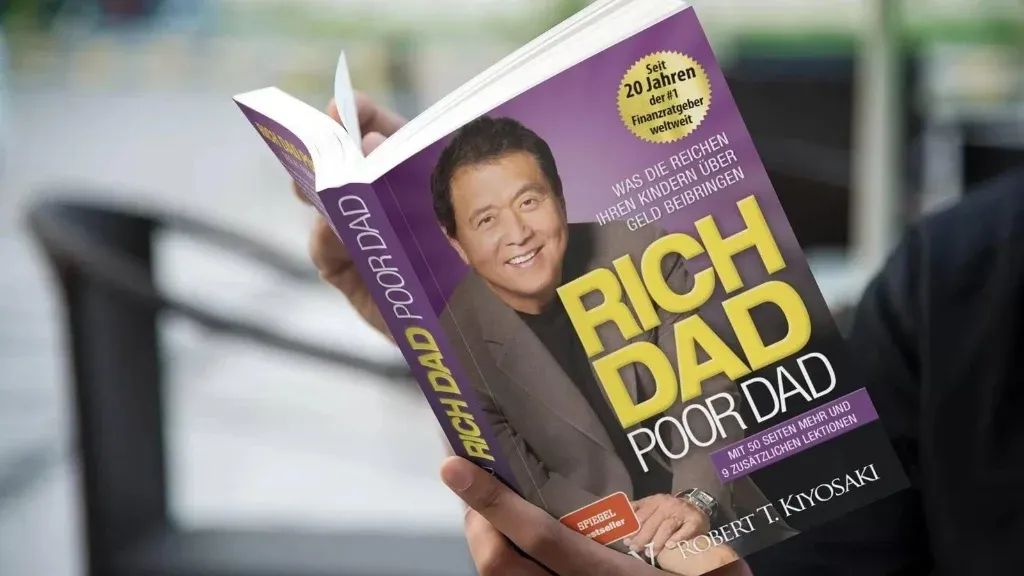
This perspective is echoed in the book Rich Dad Poor Dad by Robert T. Kiyosaki. The book challenges the traditional belief that working hard for a salary guarantees financial security.
Instead, it emphasizes financial education, asset building, and mindset transformation. Kiyosaki argues that poor people and rich people often think differently long before their bank balances reflect it.
Read More
Poverty thinking is not just about lacking money; it is about limiting beliefs. It says, “I can’t afford it,” and stops there. It fears risk. It avoids conversations about investing. It sees money as scarce and success as reserved for the lucky few.
Wealth thinking, on the other hand, asks, “How can I afford it?” It seeks knowledge. It studies opportunities. It understands that money is created through value, innovation, and smart decisions.
The difference between these two mindsets shapes outcomes more than income ever could.
Personal responsibility plays a central role in this conversation. It is easier to blame the government, the economy, or wealthy individuals for financial struggles. But while systems and circumstances matter, mindset still influences how we respond.
Two people can grow up in the same neighborhood, attend the same school, and face the same challenges yet end up with completely different financial realities. Often, the difference lies in how they think about money, risk, education, and opportunity.
Financial literacy is the bridge between mindset and results. Many people fear money because they do not understand it. They were never taught about budgeting, investing, compound interest, or the difference between assets and liabilities.
Without knowledge, money feels dangerous. With knowledge, money becomes a tool for stability and freedom.
Money can pay school fees, build businesses, create employment, support families, and fund dreams. It can also fuel corruption and greed. But again, money itself does not choose the direction—it follows the character and decisions of its owner.
When we say money is evil, we unconsciously distance ourselves from wealth. We make peace with financial struggle because we associate wealth with moral compromise. But wealth and integrity are not enemies.
There are honest entrepreneurs, ethical investors, and generous philanthropists who use money to uplift others. Their wealth did not corrupt them; it empowered them to do more good.
At its core, this debate is about accountability. If money is neutral, then we must examine ourselves.
Are we disciplined? Are we willing to learn? Are we prepared to delay gratification? Are we building assets or only chasing income? The uncomfortable truth is that wealth begins internally before it appears externally.
Money is a mirror. It reflects our habits, fears, values, and ambitions. If we cultivate discipline, vision, and financial education, money becomes a powerful ally. If we nurture envy, impulsiveness, and ignorance, money becomes destructive.
So no, money is not evil. Mindset is the true force shaping financial destiny. Change your thinking, and you change your relationship with money. Change your relationship with money, and you change your future.
In the end, the question is not whether money is good or bad. The question is: who are you when you have it?
Stay connected with us on WhatsApp and Facebook for instant updates and breaking news as it happens.