- The hospital was officially opened under the stewardship of Dr. Norman Jewell, a physician who had served during the war and understood, perhaps more than most, the long shadows conflict casts on survivors and societies alike.
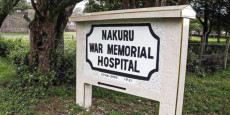
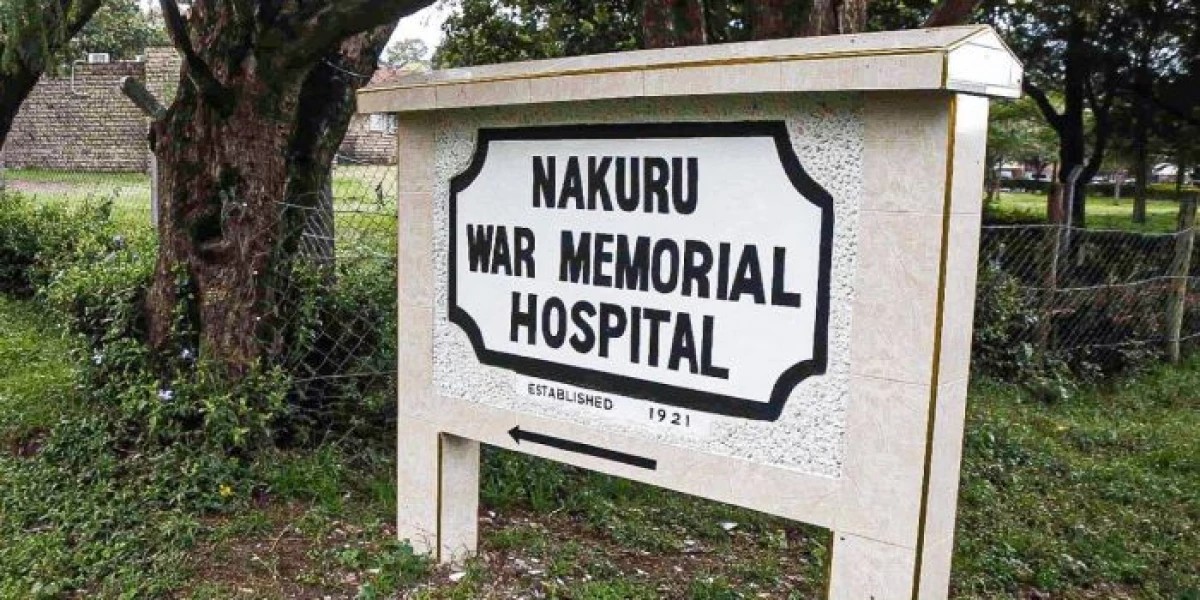
On a quiet stretch of Nakuru’s Milimani area stands a hospital that was never meant to be ordinary. Built in 1921, Nakuru War Memorial Hospital emerged from the ashes of the First World War, conceived not simply as a place of treatment but as a living monument to loss. Every corridor, ward, and foundation stone was intended to honor the soldiers who never returned from the battlefields, transforming collective grief into an enduring act of service.
The hospital was officially opened under the stewardship of Dr. Norman Jewell, a physician who had served during the war and understood, perhaps more than most, the long shadows conflict casts on survivors and societies alike.
His vision was profoundly humane: a hospital that would stand as a common refuge accessible, dignified, and grounded in compassion. From its earliest days, the institution embodied a delicate balance between remembrance and renewal, standing as a reminder of suffering while offering hope through healing.
As Nakuru grew from a colonial settlement into a bustling town, the hospital became part of its heartbeat. For decades, it served generations of families, earning a reputation for quality care and quiet consistency.
Patients passed through its doors not only seeking medical attention, but also trusting in a legacy that had endured for nearly a century. It was a place where history felt present but not heavy where memory worked in service of life.
Read More
That continuity was disrupted in 1972. In a move that would permanently alter the hospital’s trajectory, part of the facility was forcibly annexed by the national government during the presidency of the late Jomo Kenyatta.
The annexed section was incorporated into the Provincial General Hospital, fracturing the once unified memorial institution. While legal ownership of the land remained under the Nakuru War Memorial Hospital Trust, the hospital’s identity and autonomy were forever changed. What had been created as a singular tribute was now divided, physically and administratively.
Still, the hospital endured. Managed by a private company on behalf of the Trust, it continued to operate, adapt, and serve. But time introduced new pressures.
By 2021, the expiration of the hospital’s original 99-year lease opened the door to renewed contestation this time involving county authorities, trustees, and private managers. What followed was a complex and deeply polarizing struggle over ownership, governance, and public interest.
The dispute culminated in the hospital’s closure. Gates were locked, services suspended, and staff abruptly displaced. Court orders meant to protect operations were issued and ignored, leaving the facility in legal limbo. Inside, once-busy wards fell silent. Outside, patients searched for alternatives in an overstretched healthcare system. For many residents, the closure felt like the loss of something deeply personal a trusted institution suddenly erased from daily life.
The human cost of the shutdown is visible in more than empty buildings. Nurses and support staff lost their livelihoods. Medical equipment lies unused, slowly deteriorating. A facility designed to serve the public now sits idle, caught between competing claims of authority. What was once a place of healing has become a symbol of institutional paralysis.
Today, Nakuru War Memorial Hospital stands at a crossroads. Its future depends on unresolved legal battles and the political will to reconcile history with present-day realities. Supporters argue that reopening the hospital is not merely a matter of property rights, but of moral responsibility to honor the original vision that placed service above power and community above control.
More than a century after its founding, the hospital remains a mirror of Kenya’s broader struggles: how to preserve heritage, how to govern shared resources, and how to ensure public good is not lost to bureaucratic conflict. Born from war, sustained through decades of service, and now threatened by silence, Nakuru War Memorial Hospital waits not just for a verdict, but for a collective decision about what kind of legacy should endure.
In its stillness, the hospital asks a quiet but urgent question: can a nation remember its past while caring for its present? The answer may determine whether this memorial to sacrifice will once again become a place of healing or remain a monument to what was lost.
For those who grew up with its presence, what stories do you carry about this hospital, and how should Nakuru honor them today?
Stay connected with us on WhatsApp and TikTok for instant updates and breaking news as it happens.