- Cervical cancer remains the second leading cause of cancer‑related deaths after breast cancer among women in Kenya and across the region, despite being preventable through early screening and timely treatment.
Kenya marks National Cervical Cancer Awareness Month with a decisive step toward eliminating one of the deadliest yet preventable diseases.
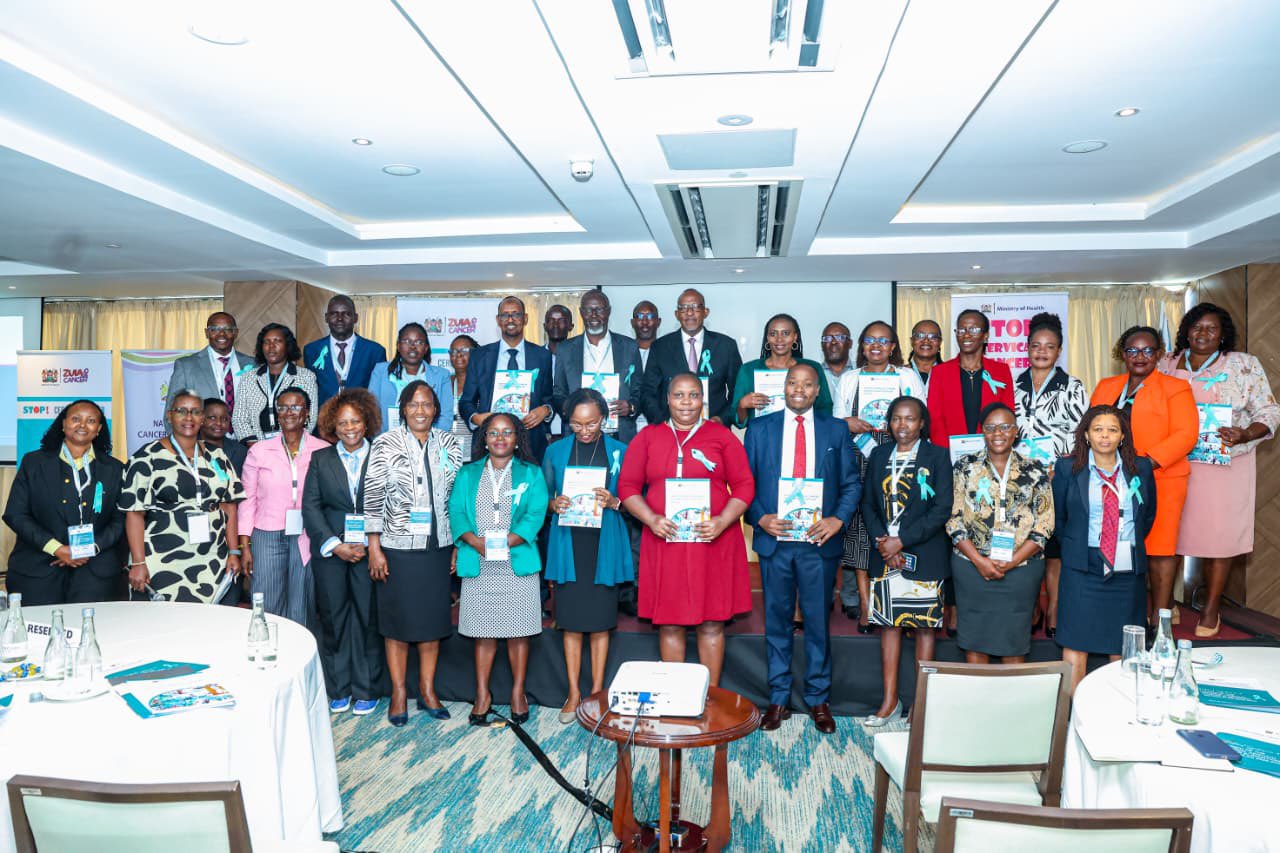
On January 15, 2026, Cabinet Secretary for Health Aden Duale presided over the launch of the Kenya National Cervical Cancer Elimination Plan, a five‑year strategy running from 2026 to 2030. The plan signals renewed national commitment to protect the lives and health of Kenyan women and girls.
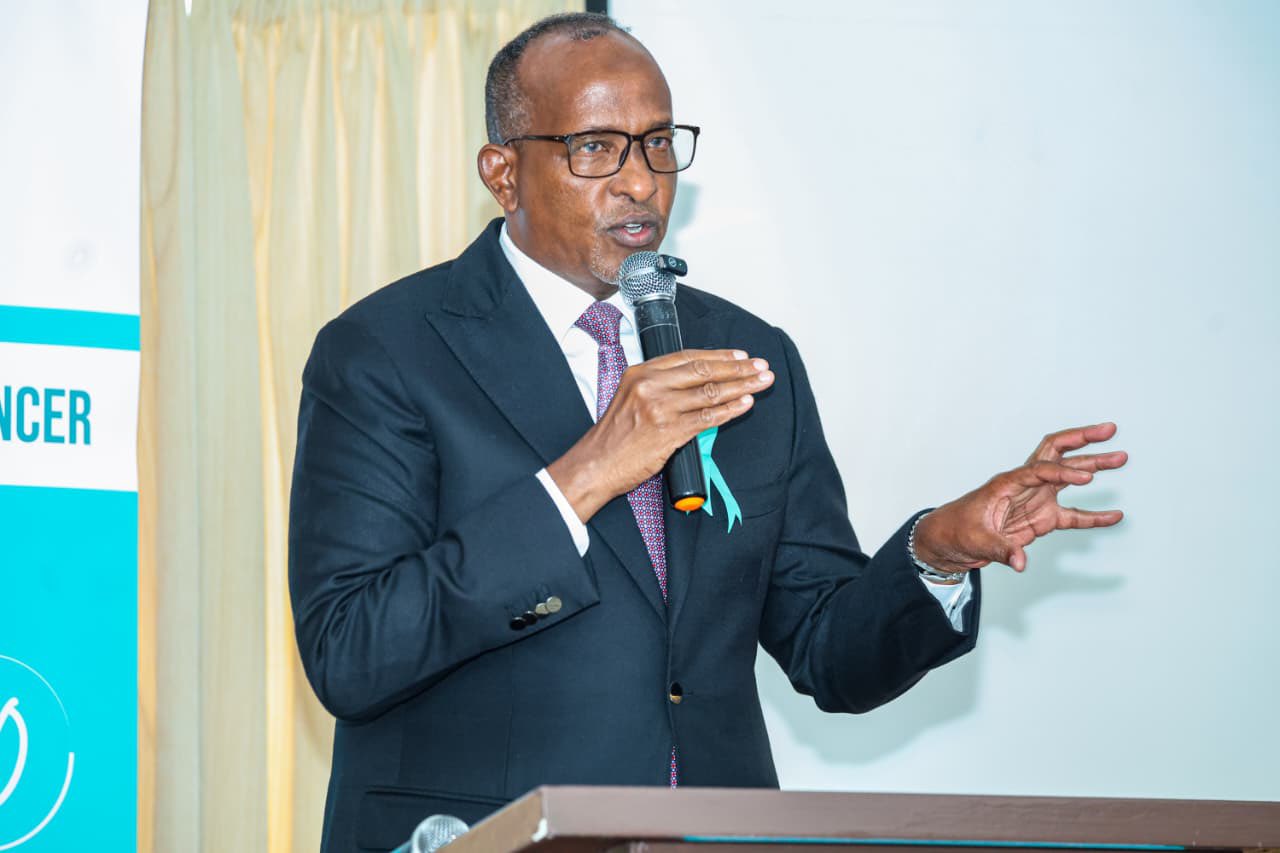
“The vision is clear. We are working on a future where no girl is left unprotected, no woman goes unscreened, and no patient is denied treatment,” Duale declared. “By protecting our women, we safeguard our families and uphold the dignity of our nation. Together we can, and we will, eliminate cervical cancer in our country.”
Read More
Cervical cancer remains the second leading cause of cancer‑related deaths after breast cancer among women in Kenya and across the region, despite being preventable through early screening and timely treatment.
The new plan lays out a comprehensive roadmap aligned with the World Health Organization’s global 90‑70‑90 targets: vaccinate 90% of girls by age 15 against Human Papillomavirus (HPV), screen 70% of women with high‑performance tests, and ensure 90% of women diagnosed with cervical disease receive appropriate treatment.
A major milestone under the strategy is Kenya’s transition to a single‑dose HPV vaccine, now offered free to all girls aged 10 to 14. This shift aims to expand vaccine coverage and reduce barriers to access, especially in remote communities.
The Ministry of Health has also expanded community‑based screening programs by introducing advanced HPV DNA testing, which improves early detection and accuracy.
According to the Ministry, treatment and care systems have strengthened nationwide through the Social Health Authority (SHA), which guarantees affordable, continuous, and uninterrupted care for women diagnosed with cervical cancer, easing the financial burden on patients and their families.
Strong partnerships underpin the plan’s success. County governments, civil society organizations led by the Kenya Network of Cancer Organizations (KENCO), and development partners have joined forces to drive awareness, prevention, and service delivery at every level.
Duale has underscored the urgency:
“Each year, nearly 6,000 new cases are diagnosed and over 3,500 preventable deaths occur. These are not just numbers; they represent fractured families and diminished communities.”
He frames the new cervical cancer plan as a “continuum of care” — meaning it covers prevention, screening, treatment, and follow‑up.
“This continuum of care is our blueprint, aligning Kenya with the World Health Organisation’s global call for the elimination of cervical cancer,” he said.
He has also assured parents and caregivers who may be hesitant about the HPV vaccine.His message is clear: the vaccine is safe, effective, and has already protected millions of women worldwide.
“It has protected millions of women worldwide. I urge you to ignore misinformation and ensure your daughters receive this life‑saving protection. Elimination begins with prevention, and we must ensure that no eligible girl is left behind,” he added.
Stay connected with us on WhatsApp and Facebook for instant updates and breaking news as it happens.