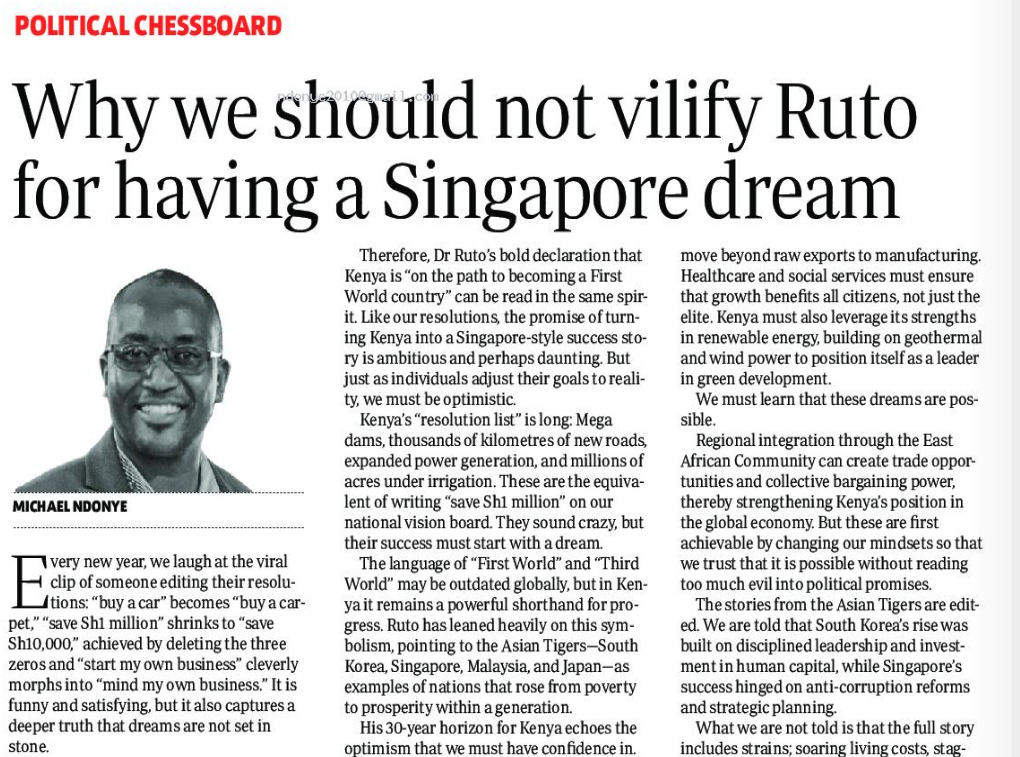
- Dr. Michael Ndonye’s January 2, 2026 opinion in The Standard argues that dismissing President Ruto’s “Singapore dream” is misguided, since history shows nations are built on vision as much as resources. Drawing on Singapore’s transformation under Lee Kuan Yew, he contends that dreams act as compasses—setting direction, inspiring collective effort, and challenging societies to rise above limitations.
On January 2, 2026, The Standard Newspaper published an opinion by Dr. Michael Ndonye titled “Why we shouldn’t vilify Ruto over his Singapore dream.” In that piece, Dr. Ndonye reminded us of a truth that history has proven time and again: nations are not built solely on resources, but on vision. To dismiss ambitious dreams as unrealistic is to deny the very engine of transformation that has propelled societies forward.
Singapore’s story is instructive. In 1965, the island nation was a struggling state with no natural resources, high unemployment, and political uncertainty. Many doubted whether it could survive on its own after separating from Malaysia. Yet the founding Prime Minister of Singapore, Lee Kuan Yew dared to dream of a prosperous, modern Singapore.
At the time, his vision seemed fanciful—how could a tiny island without oil, minerals, or farmland become a global hub? But it was precisely that dream, backed by discipline, policy, and persistence, that lifted Singapore into prosperity within a generation.
Read More
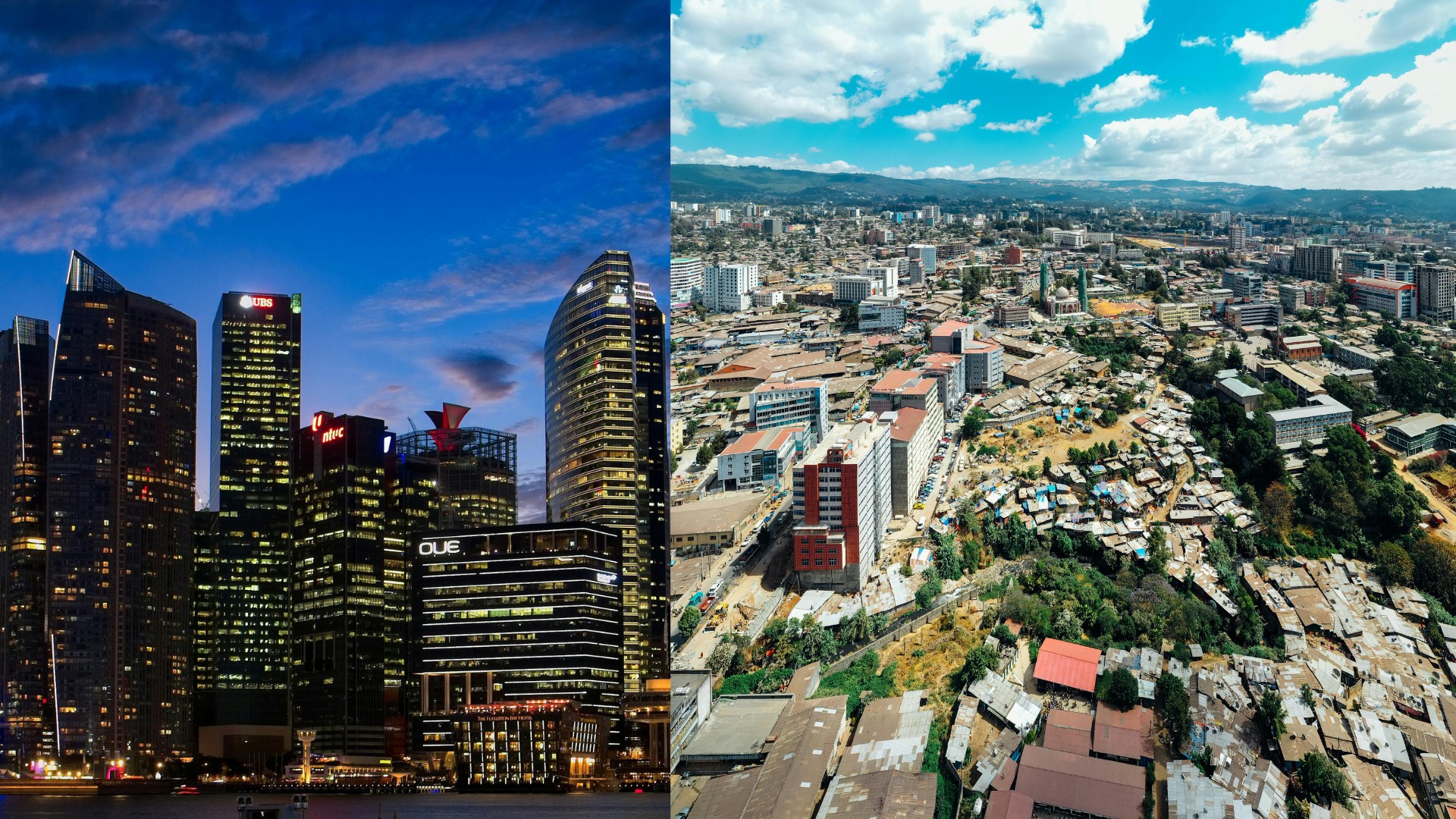
Kenya today faces similar skepticism. Critics argue that President William Ruto’s comparisons to Singapore are misplaced, pointing to corruption, inequality, and governance challenges. But this rebuttal misses the point: dreams are not blueprints, they are compasses. They set direction, inspire collective effort, and challenge societies to rise above their limitations. To ridicule ambition is to embrace stagnation.
Indeed, poverty—whether at the national or individual level—often emanates from a failure to dream. Dreams are open-ended; they create possibilities where none seem to exist. Throughout history, dreamers were often dismissed, yet their visions paved the way for progress. Kenya cannot afford to silence its dreamers. Instead, it must cultivate the structures that translate dreams into action.
This means aligning policy with vision, ensuring that national dreams are matched with clear, measurable strategies. It means securing citizen buy-in, so that ordinary people see themselves in the story of transformation. And it means strengthening institutions, because dreams collapse without accountability and governance.
The lesson from Singapore is not that Kenya can—or should—replicate its exact path. Contexts differ. But the principle remains universal: without dreams, there can be no outcomes. To vilify leaders for daring to dream is to deny the possibility of progress. Supporting leaders who imagine a different future is not naïve—it is pragmatic, because history shows that nations rise when vision precedes reality.
Kenya’s journey will be uniquely Kenyan. But if we embrace the power of dreaming, and pair it with discipline and integrity, then the skepticism of today may well become the pride of tomorrow.
Stay connected with us on WhatsApp and Facebook for instant updates and breaking news as it happens.