

- The story begins with Lord Maurice Egerton of Tatton, an English aristocrat who settled in Kenya in the early 20th century. Wealthy and eccentric, he built the imposing Lord Egerton Castle in Ngata, hoping to impress a woman he wished to marry.
In the rolling hills of Njoro, just outside Nakuru, stands Egerton University — today one of Kenya’s leading institutions of higher learning, celebrated for its sprawling campus, vibrant student life, and academic reputation.
Yet its beginnings were anything but ordinary. The university traces its roots to Lord Maurice Egerton of Tatton, an English aristocrat whose life in Kenya was marked not only by wealth and ambition but also by heartbreak.
In Ngata, he built the imposing Lord Egerton Castle, a lavish fortress meant to win the love of a woman he hoped to marry. When she visited, she dismissed the grand residence as “a house fit for a chicken.”
Humiliation turned to resentment, and rejection hardened into bitterness. Lord Egerton’s disdain for women became legendary. He banned them from his estate, shunned them in social spaces, and when he founded Egerton Agricultural College in 1939, he decreed it would admit men only. What began as one man’s eccentric response to rejection became the foundation of an institution.
Egerton University’s story is not just about education — it is about how love, loss, and bitterness carved a legacy that still echoes through its halls today.
Read More
The Castle That Sparked It All
The story begins with Lord Maurice Egerton of Tatton, an English aristocrat who settled in Kenya in the early 20th century. Wealthy and eccentric, he built the imposing Lord Egerton Castle in Ngata, hoping to impress a woman he wished to marry.
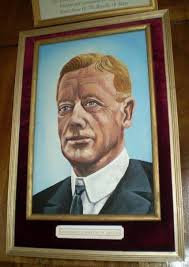
The castle was designed as a lavish fortress, complete with imported materials and grand halls. But when she finally visited, her reaction was devastating. She dismissed the castle as “a house fit for a chicken.”
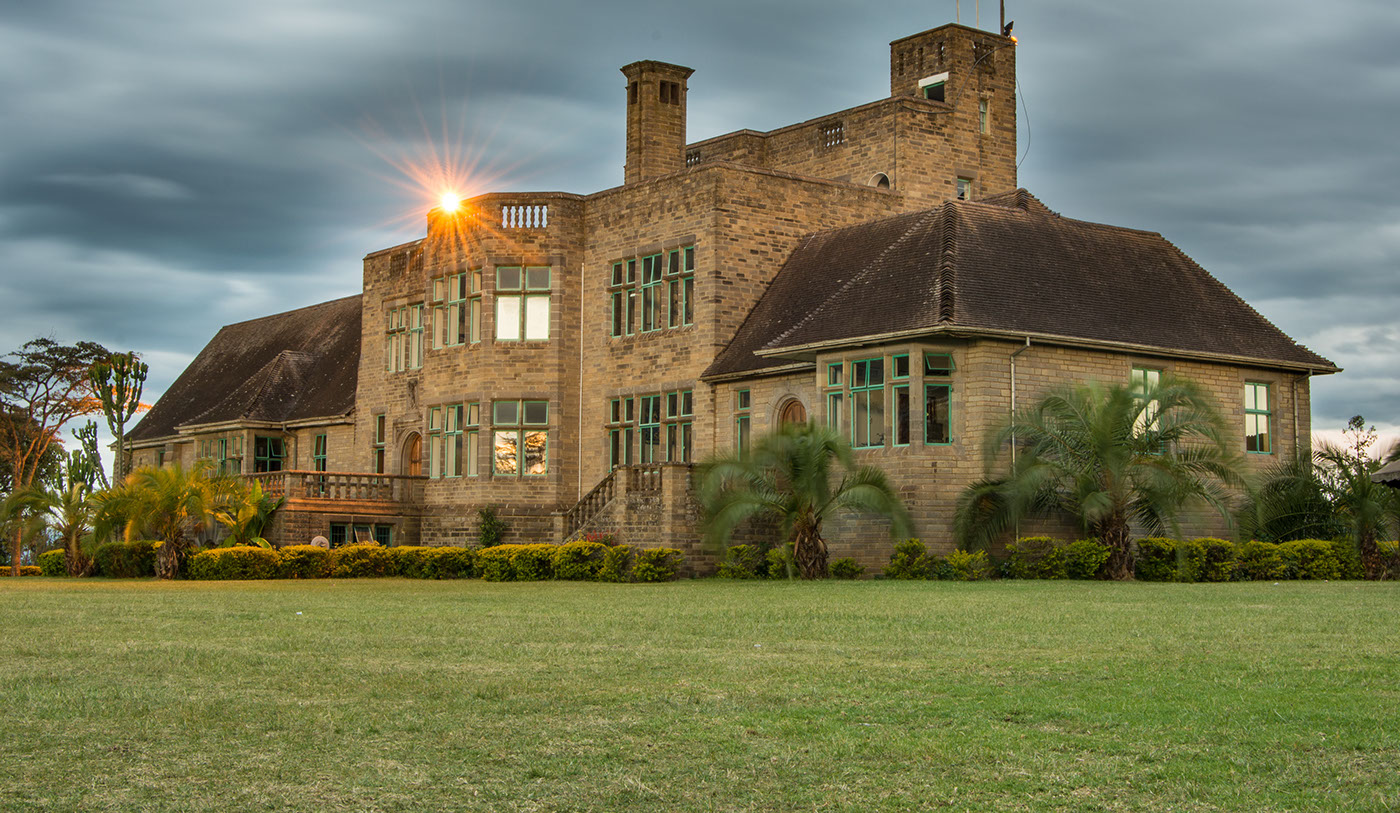
Humiliated, Lord Egerton never married. The rejection scarred him deeply, and his bitterness toward women grew into a defining feature of his life in Kenya.
A University Without Women
In 1939, Lord Egerton founded Egerton Agricultural College, the institution that would later become Egerton University. His vision was to train male farmers and professionals to advance agriculture in the colony. But his personal resentment shaped the college’s policies: women were not admitted while he was alive.
Lord Egerton’s hatred of women was notorious. Local accounts say he refused to allow them near his estate. If he entered a club and found women present, he would reportedly pay the cashier to send them away so he could drink in peace.
His college reflected this worldview, becoming an all-male institution during his lifetime.
From Exclusion to Inclusion
After Lord Egerton’s death in 1958, the college began to change. The exclusivity ended, and women were finally admitted. Over the decades, Egerton grew into a full-fledged university, embracing inclusivity and diversity.
Today, women make up a significant portion of its student body, and the institution is celebrated for producing leaders across genders in agriculture, science, and the arts.
Legacy of Contradictions
Egerton University’s origins are inseparable from the eccentric life of its founder. The castle stands as a monument to rejection, while the university reflects his bitterness toward women.
Yet the irony is striking: the institution he built to exclude women is now one of Kenya’s most inclusive universities. For students walking its halls today, the story of Lord Egerton is a reminder of how personal choices can shape public institutions — and how time can transform exclusion into opportunity.
Egerton University is more than an academic institution — it is a living legacy of Nakuru’s history. Born of one man’s eccentricity, it has grown into a beacon of education and inclusivity. For learners seeking knowledge in a place where history and progress meet, Egerton university—or as the alumni like labelling themselves, Sic Donec!
Stay connected with us on WhatsApp and Facebook for instant updates and breaking news as it happens.