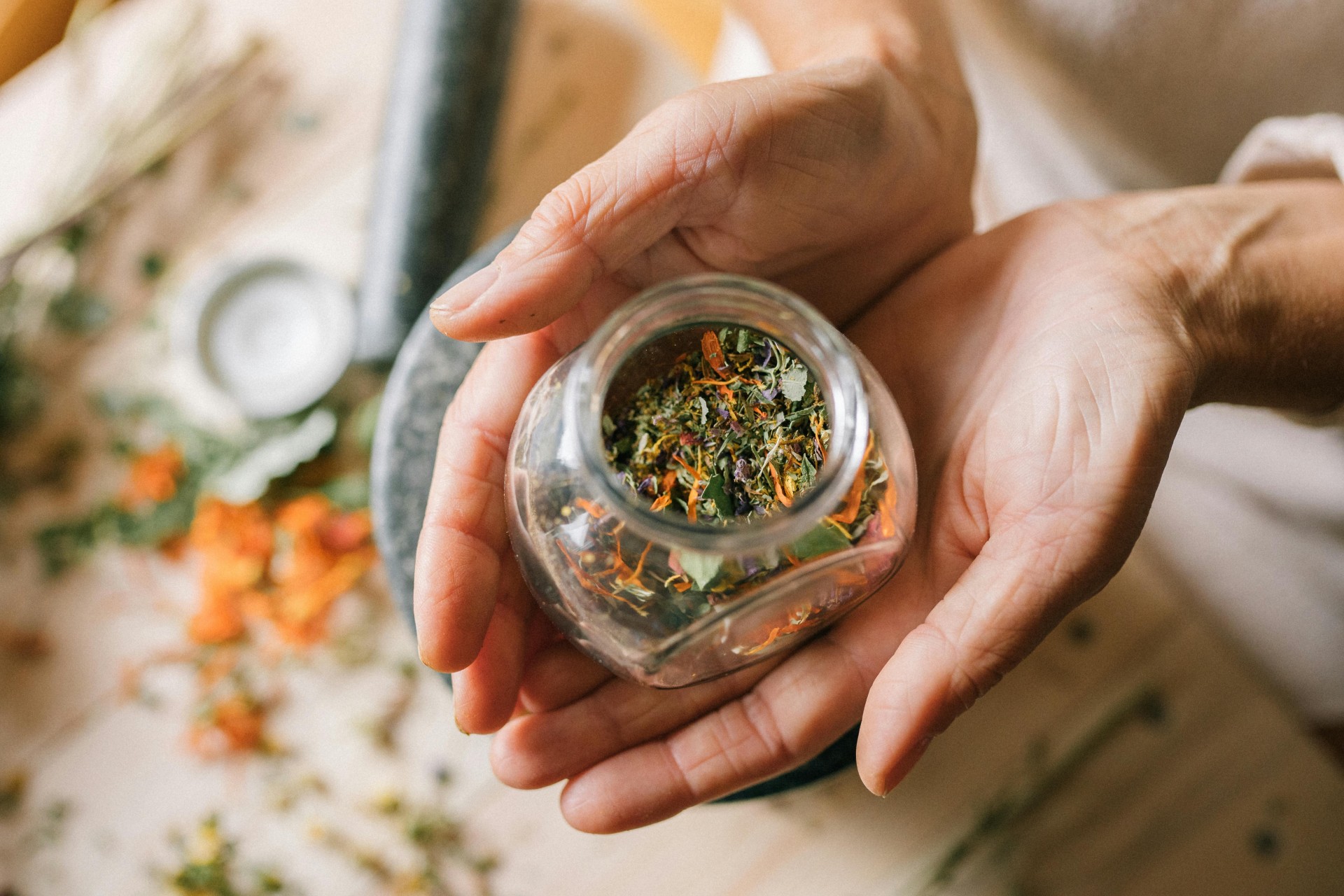
- With its new Global Traditional Medicine Strategy 2025–2034, WHO is positioning ancient remedies and indigenous knowledge not as relics of the past, but as tools for the future.
For centuries, traditional medicine lived in the shadows of modern healthcare. Communities trusted it, generations passed it down, but official health systems rarely recognized it.
Now, the World Health Organization (WHO) is changing that story. With its new Global Traditional Medicine Strategy 2025–2034, WHO is positioning ancient remedies and indigenous knowledge not as relics of the past, but as tools for the future.
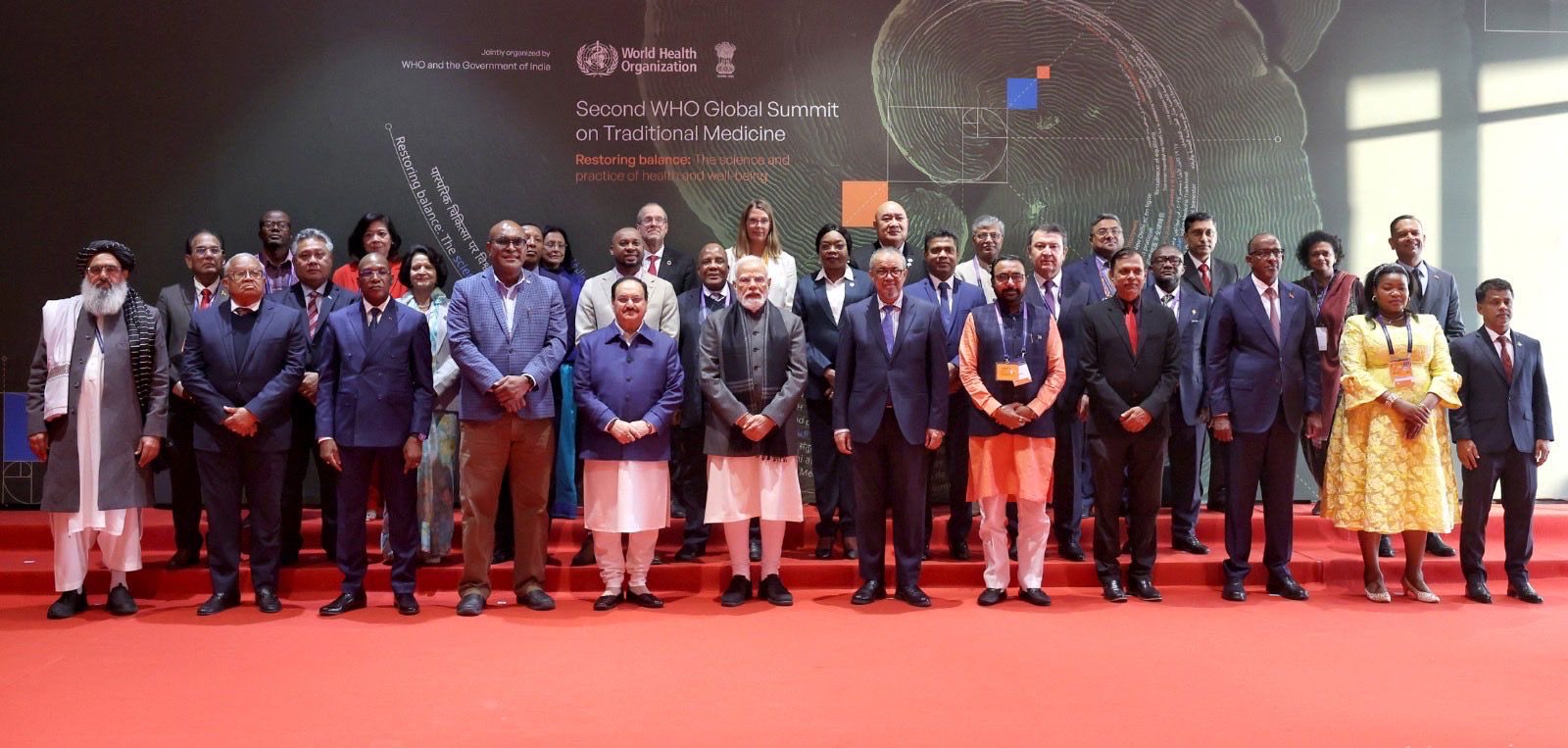
“Traditional medicine can help address many health threats including the growing burden of noncommunicable diseases, inequitable access to health services, and climate change,” said WHO Director‑General Dr. Tedros Adhanom Ghebreyesus through a post on X following the Second WHO Global Summit on Traditional Medicine.
The Second WHO Global Summit on Traditional Medicine in New Delhi was held between December 17-19, 2025.
Read More
Nations pledged to strengthen evidence, ensure safety and public trust, safeguard biodiversity and traditional knowledge, harness digital innovation responsibly, as well as integrate traditional medicine into health systems.
These priorities sit at the heart of WHO’s new strategy, which serves as a roadmap for how traditional, complementary, and integrative medicine should be responsibly woven into healthcare over the next decade.
So, how will WHO support countries? First is by translating these commitments into national policies and regulations. Secondly, is by building capacity, and integrating traditional medicine safely into health systems.
According to Dr. Tedros, Traditional medicine remains under‑utilized in national health strategies despite being deeply embeded in cultures worldwide.
In 2022, WHO opened the Global Traditional Medicine Centre in Jamnagar, India for purposes of evidence, research, and innovation. And in 2025, Kenya stepped forward at the New Delhi summit to show how Africa is embracing this shift.
In Kenya, the Cabinet Secretary (CS) for Health Aden Duale outlines that the country is progressing as follows in its journey towards integrating traditional medicine as follows: a TCIM Policy, the Traditional Health Practitioners Bill, a National Research Framework, and a Herbalist Handbook.
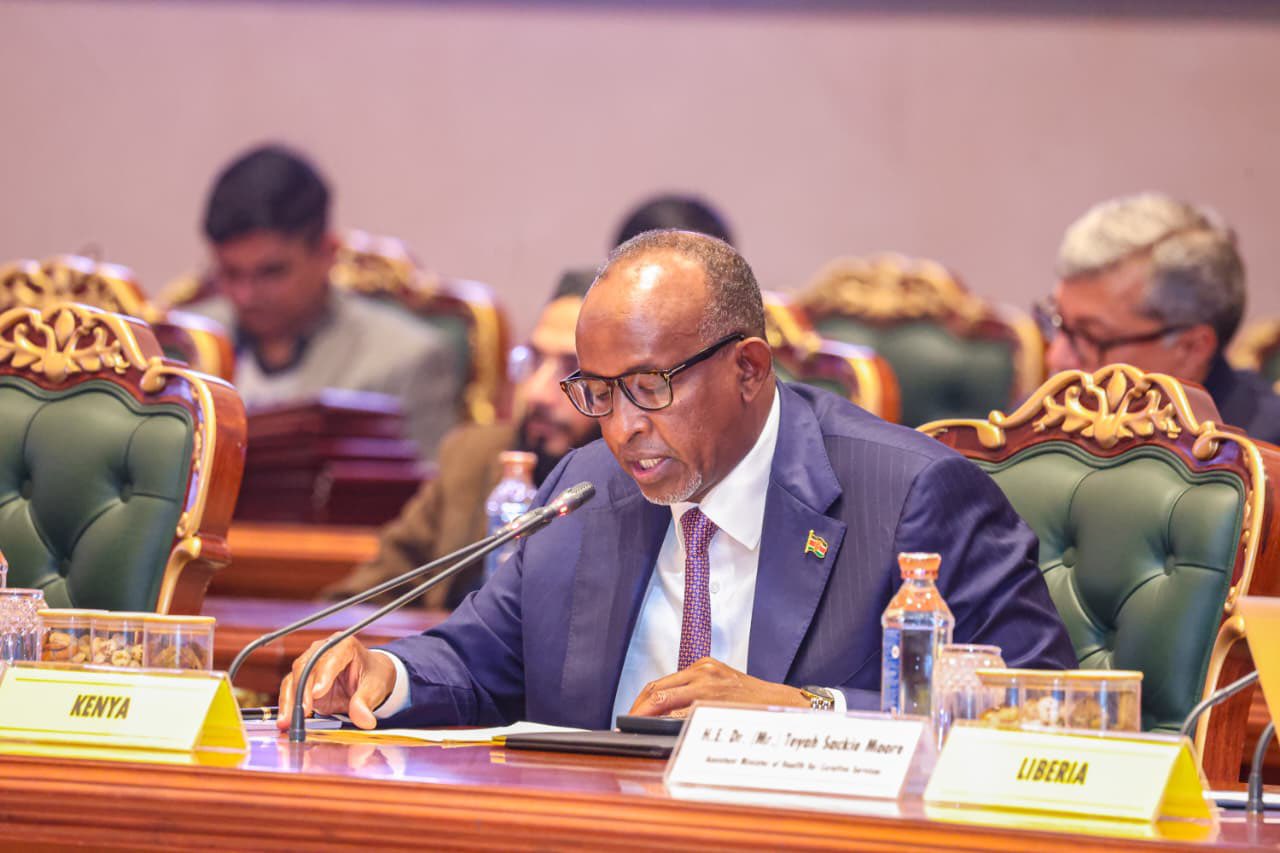
He has emphasized that across the full lifecycle, the Pharmacy and Poisons Board oversees the product regulation. This is supported by digital systems and expert committees.
“Kenya’s designation as a Regional Centre of Regulatory Excellence in Pharmacovigilance reflects sustained investment in regulatory science and patient safety,” Duale said.
According to him, the country is advancing research and collaboration, leveraging genomics, AI, and digital health to strengthen standardization and evidence generation.
Moreover, through practitioner accreditation, referral pathways, strengthened research, and potential inclusion within social health insurance benefits, the government aims to integrate validated traditional medicine into primary healthcare
Duale says Kenya is ready to collaborate with Africa CDC, WHO, Member States, and partners to realize the potential of traditional medicine. This is to ensure it safe, regulated, evidence‑based, and culturally grounded, so it strengthens health systems and improves lives across Africa.
Stay connected with us on WhatsApp and Facebook for instant updates and breaking news as it happens.