Women MPs have condemned former Deputy President Rigathi Gachagua for what they described as a pattern of gender-based political attacks. They were led by Nairobi Woman Representative Esther Passaris on August 25, 2026.
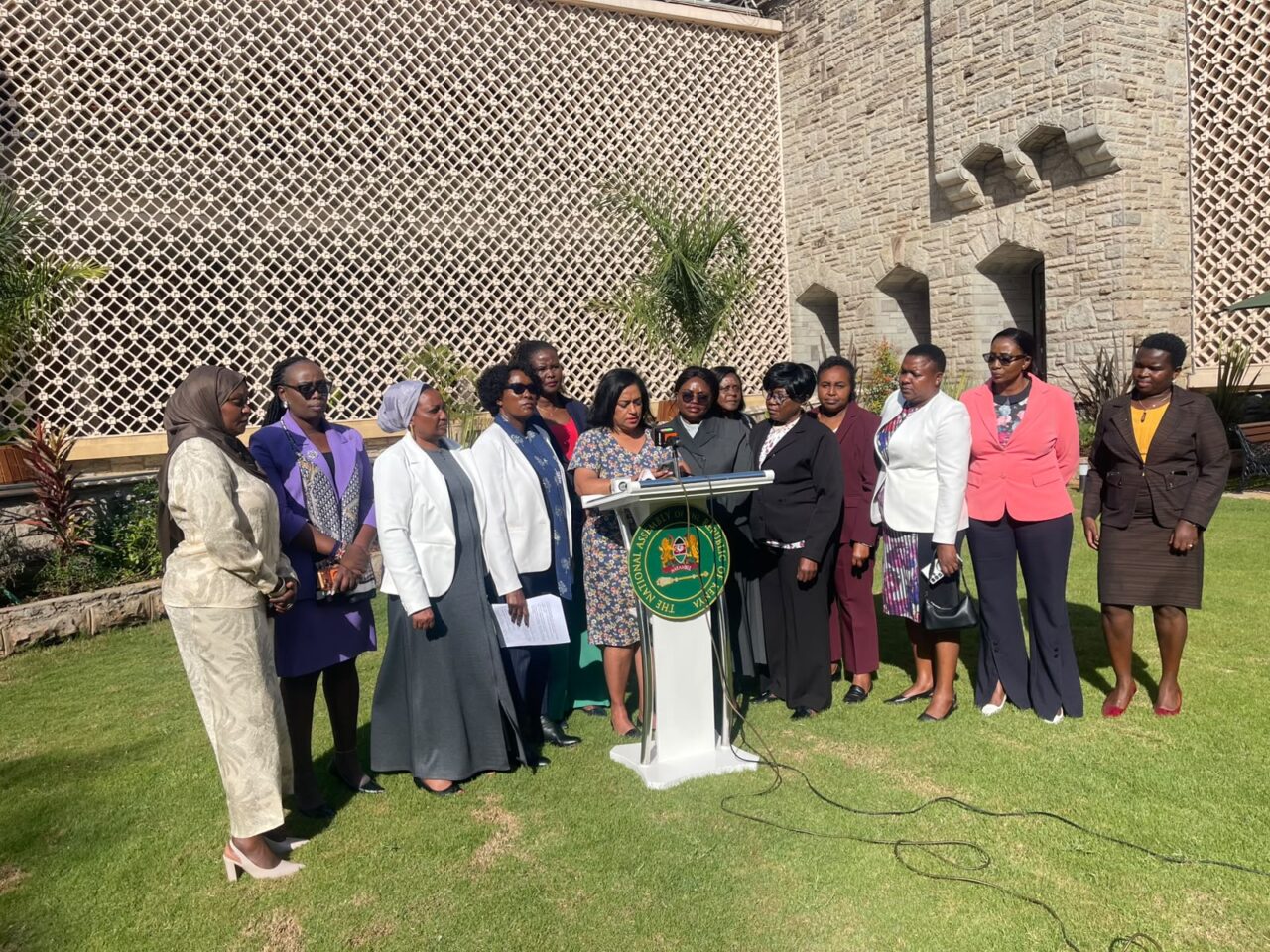
The lawmakers cited alleged insults, including the words “witch” and “malaya,” directed at Nyandarua Woman Representative Faith Gitau. They also pointed to confrontational remarks directed at Mwea MP Mary Maingi, the involvement of politicians’ wives in public disputes, and comments they considered demeaning toward female governors.
Women MPs Draw the Line
They want an apology. They also want the language to stop.
They are right on one point: political attacks that demean women because they are women should be called out. Such rhetoric does more than offend. It can discourage women from participating in politics, cheapen public debate and turn legitimate political disagreements into personal humiliation.
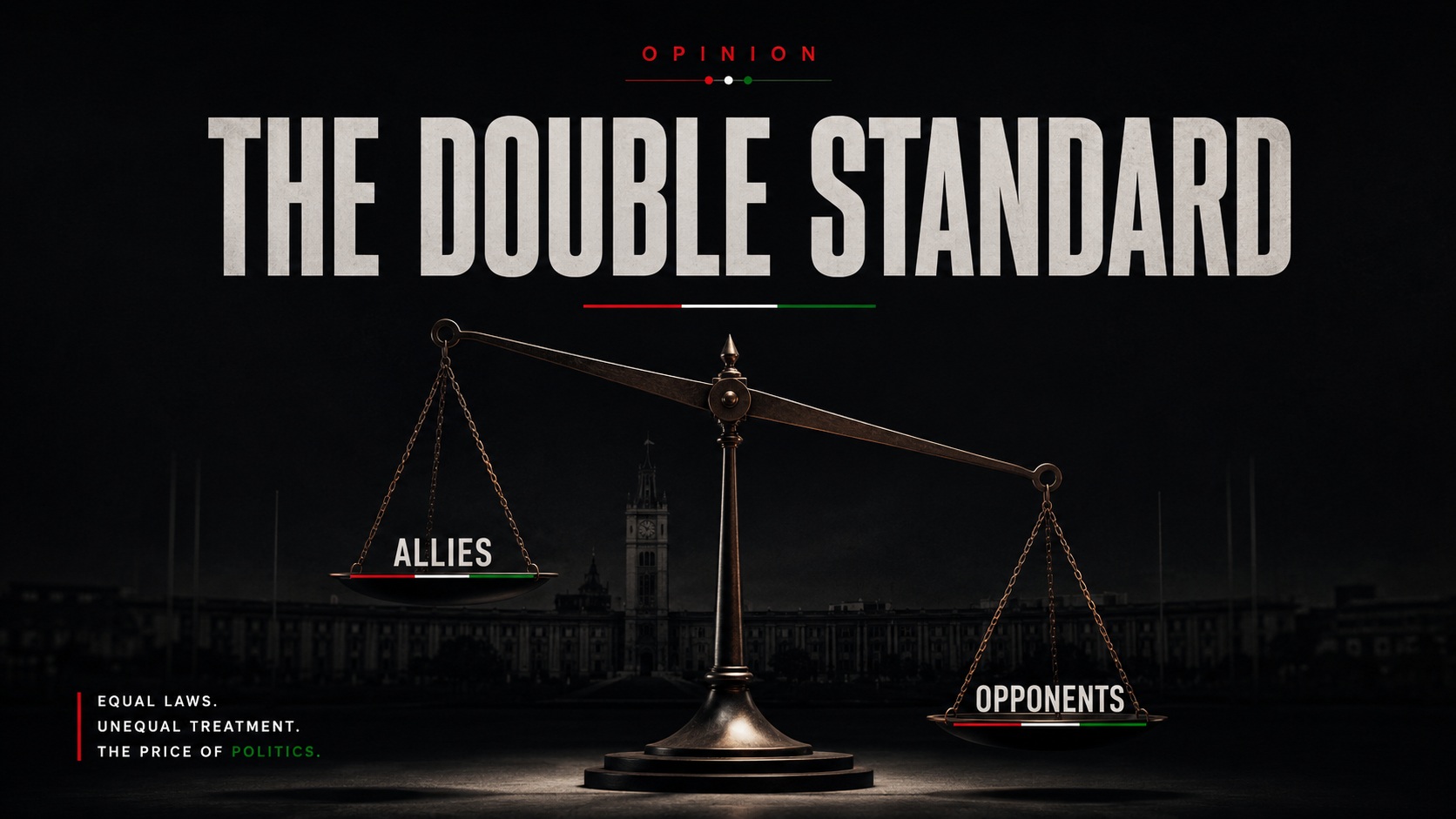
The Politics of Selective Outrage
But there is another uncomfortable question. Are those standards applied consistently?
Kenyan politics has never been a polite contest. Politicians routinely trade insults, make personal accusations and drag private lives into public fights. That does not make the behaviour acceptable. It does, however, mean that condemnation becomes less convincing when it appears to depend on who is speaking and who is being targeted.
Those demanding higher standards must be prepared to enforce them within their own political ranks.
Earlier this year, Nominated Senator Karen Nyamu faced widespread criticism over remarks she made about a Grade 10 schoolgirl who was visiting the Senate as part of an educational programme. The comments, made while the minor was present in the gallery, sparked public concern and criticism over their appropriateness and the dignity of the child.
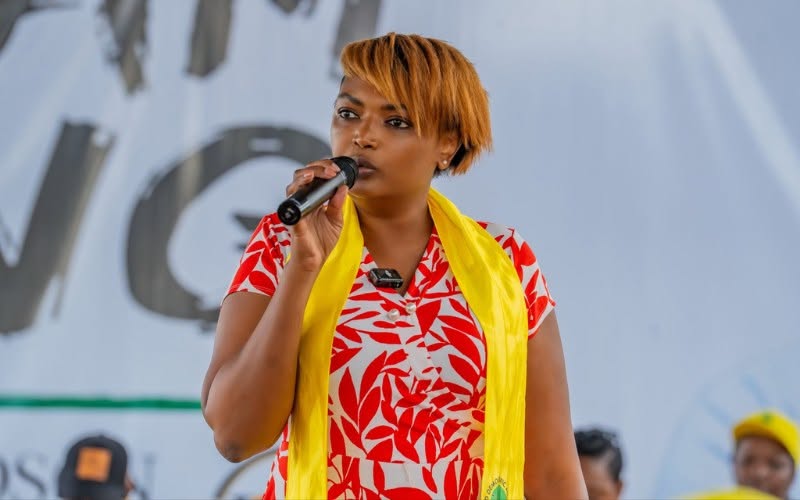
The Senate Speaker directed Nyamu to apologise. That episode should matter in this debate.
The comparison is not meant to suggest that the incidents involving Gachagua and Nyamu are identical. They are different situations, involving different words and circumstances. The point is about the standard leaders choose to apply when questions of dignity and inappropriate public language arise.
If the principle being defended is the protection of women’s dignity, then the dignity of girls cannot become an afterthought. Sexualising a child in Parliament does not become less serious because the politician belongs to the “right” political camp.
The standard must hold.
The same determination that demanded an apology from Gachagua should apply when one of their own crosses the line. Otherwise, the argument risks becoming less about defending women and more about winning a political fight.
There is a better approach.
The Standard Must Apply to All
Condemn gendered insults when allies use them, not only when opponents do. Reject humiliating language even when it helps your side. Challenge politicians who turn private lives into ammunition. And keep political arguments focused, wherever possible, on policy, performance and accountability.
None of that requires pretending political combat will suddenly become clean. It will not.
Sharp criticism will sometimes become personal attack. Politicians will continue to test the limits of rhetoric, particularly when elections draw closer. But public figures who demand restraint from their opponents should be willing to demonstrate it themselves.
Women leaders are right to insist that they should not be attacked or diminished simply because they are women.
The public is equally entitled to question whether that principle is being applied consistently. Both things can be true.
The real test is not whether politicians can condemn offensive language when it comes from the other side. It is whether they can apply the same standard when the offender sits among their own.
Politics will remain politics.
The question is whether the people asking for a higher standard are willing to live by it.