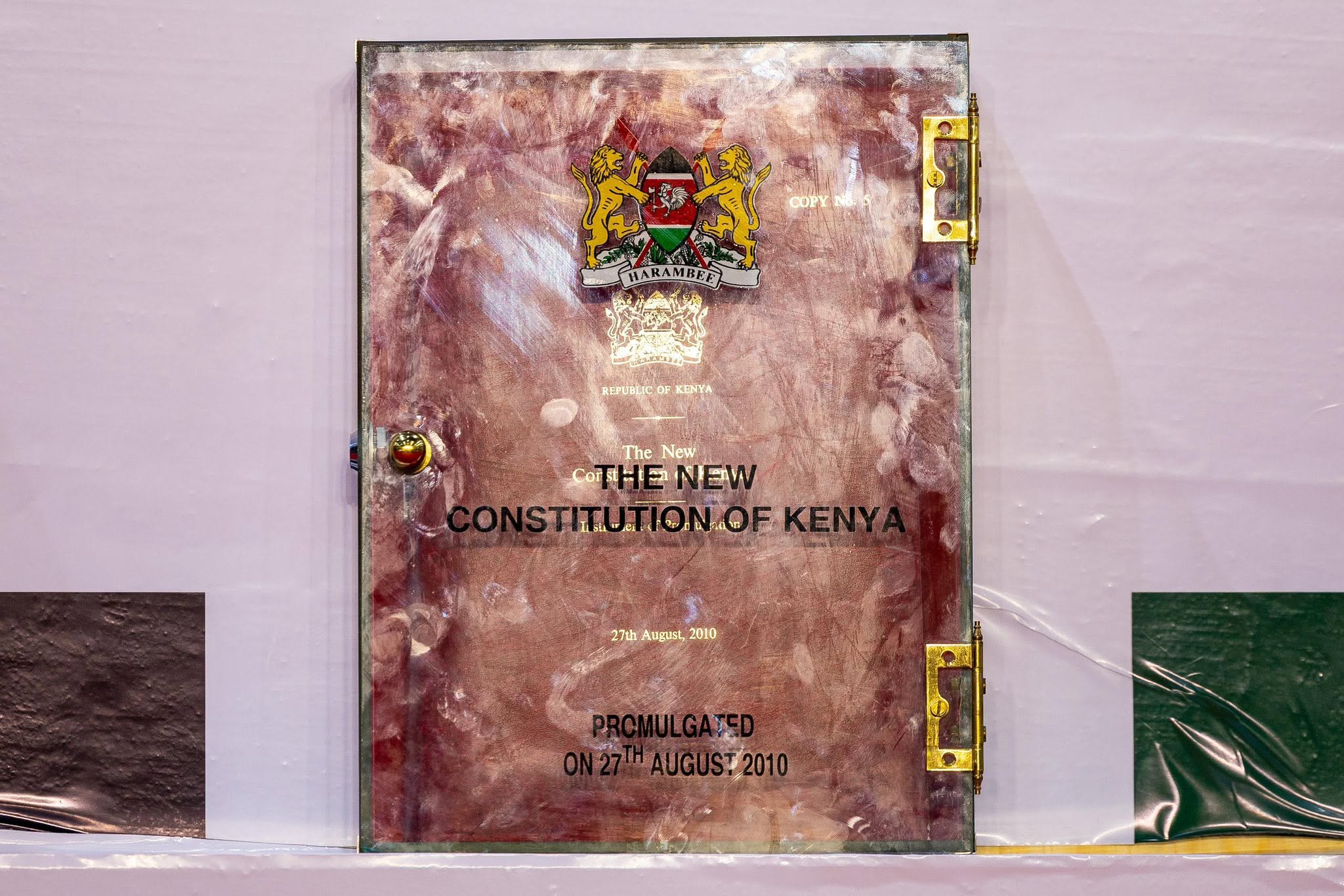
NaKatiba Day marks a defining moment in Kenya’s constitutional journey, honouring the 2010 Constitution while inviting citizens to reflect on its promises, achievements and gaps. Sixteen years after its promulgation, the day offers an opportunity to examine how far Kenya has come in protecting rights, strengthening devolution, deepening public participation and building accountable institutions for all.
Katiba Day is Kenya’s annual observance marking the promulgation of the Constitution of Kenya 2010. “Katiba” is the Swahili word for constitution, and the day falls on 27 August every year.
When It Began and Who Started It
The Constitution of Kenya 2010 was approved in a national referendum on 4 August 2010 (with about 67% support) and formally promulgated on 27 August 2010 at Uhuru Park in Nairobi by the late President Mwai Kibaki.
.jfif)
That ceremony, attended by thousands of Kenyans and regional leaders, is widely seen as the birth of Kenya’s “Second Republic” and the start of a new constitutional order after decades of struggle for reform.
Read More
For years after 2010, civil society groups, youth organizations, activists, and progressive actors marked the anniversary informally through public discussions, civic education events, and reflections on the Constitution’s progress and shortfalls. These community commemorations kept the spirit of the day alive even without official recognition.
The day received formal national status in 2025.On 25 August 2025, President William Ruto signed a presidential proclamation designating 27 August (starting that year and every year thereafter) as Katiba Day. It is observed throughout Kenya and at Kenyan diplomatic missions abroad.
Importantly, it is still a working day rather than a public holiday.
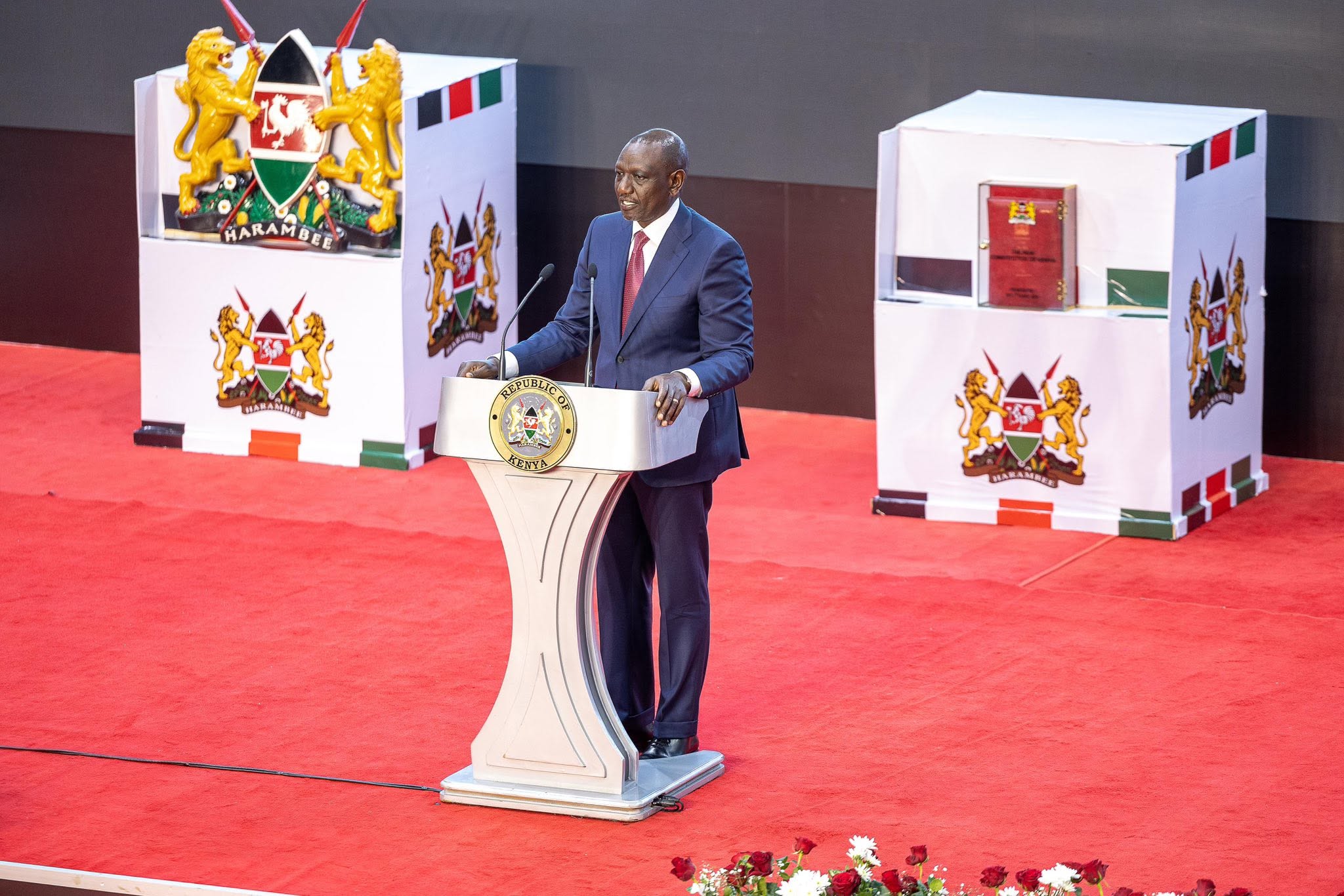
Government institutions, schools, and other bodies are expected to organize civic activities focused on constitutional awareness, governance, and the rule of law. Ruto explained that the decision not to make it a holiday was influenced by earlier debates during the constitution-making process about Kenya having too many public holidays.
Significance to Kenyans Today
Katiba Day serves as a national moment of reflection, celebration, and recommitment to the 2010 Constitution—one of the most progressive and transformative constitutions in the world.
Key achievements it commemorates include:
Devolution – Creation of 47 county governments that bring power, resources, and services closer to the people and help address historical marginalization.
Strong Bill of Rights – Thorough protection of civil, political, economic, social, and cultural rights, giving citizens stronger tools to challenge violations.
Independent institutions – A more independent judiciary (including the Supreme Court), independent commissions, and greater checks and balances on executive power.
Citizen-centered governance – Emphasis on public participation, accountability, and the principle that all sovereign power belongs to the people.
For many Kenyans, Katiba Day is also an opportunity to reflect on what the Constitution has delivered since 2010 and where its promises remain unfulfilled.
While the Constitution has brought significant changes in devolution, rights protection and institutional reform, challenges remain in its full implementation. These include corruption, the incomplete realization of some socio-economic rights, political culture and questions of accountability.
Katiba Day therefore goes beyond commemorating the signing and promulgation of a document. It provides an annual opportunity for citizens, institutions and leaders to examine how closely Kenya’s governance reflects the principles and values set out in the 2010 Constitution.