- President Ruto’s call for religious institutions to lead in combating drug and substance abuse among youth recognizes that social challenges require not only policy solutions but also moral leadership.
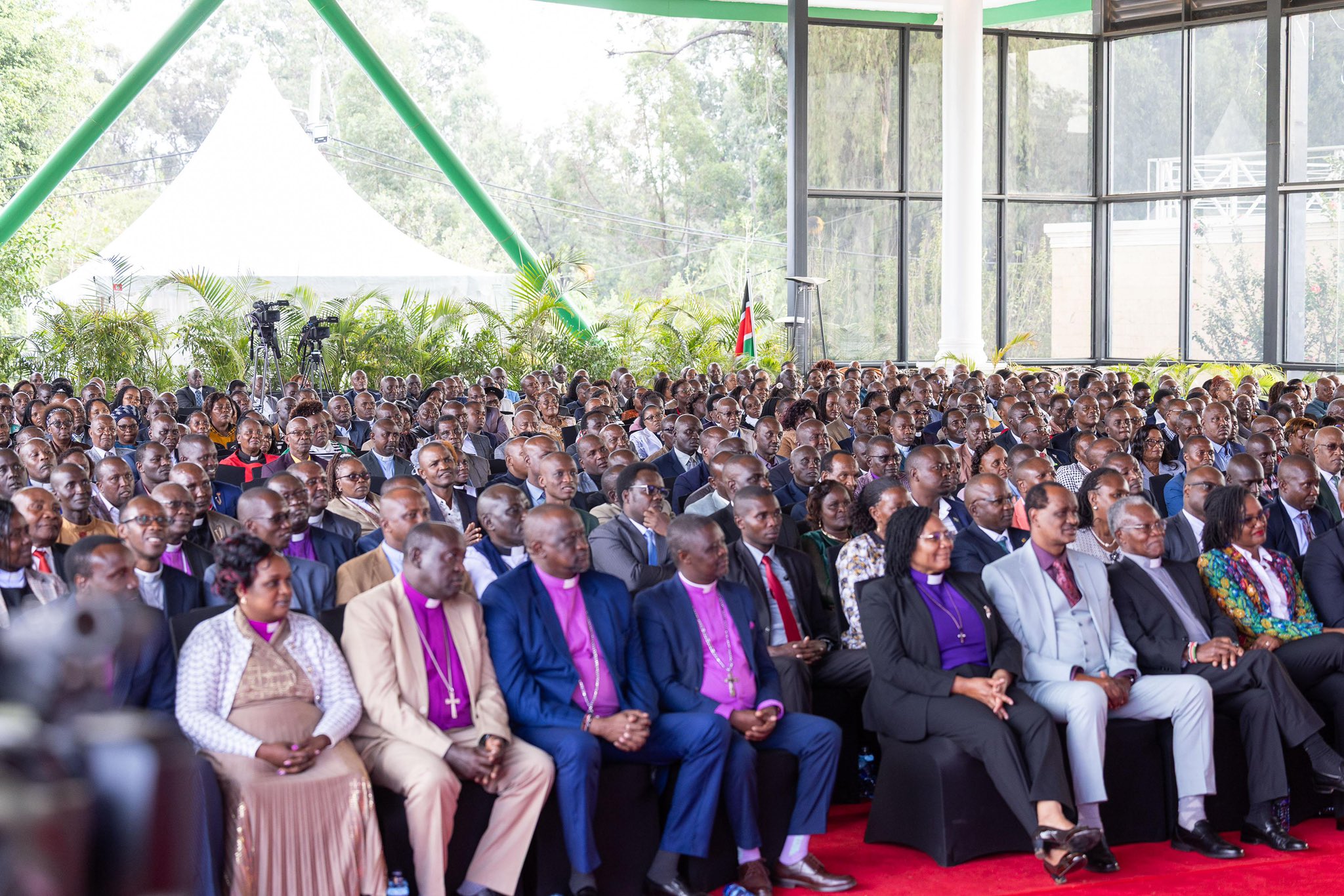
President William Ruto’s recent engagement with leaders of the Methodist Church in Kenya reaffirmed a critical truth: faith‑based institutions are not just spiritual sanctuaries, they are pillars of national development.
The President declared the Church an indispensable partner in Kenya’s progress, praising its transformative role in health, education, social services, and community empowerment. He assured Methodist University of government support, pledging to settle KSh2 billion debt to secure its continued service to the nation.
“The church's enduring presence at the grassroots continues to uplift lives and strengthen the moral fabric of our society,” said the President.
This recognition underscores the enduring impact of religious institutions. Across Kenya, churches, mosques, and temples have historically filled gaps in education, healthcare, and welfare.
Their grassroots presence allows them to complement government initiatives, amplify social impact, and reach communities often excluded from state programs. Methodist University exemplifies this role, nurturing professionals, offering scholarships, and shaping human capital essential for economic and social progress. Financial stability for such institutions is not charity — it is an investment in Kenya’s future.
Read More
Healthcare tells a similar story. Faith‑based hospitals and clinics have long delivered care in underserved regions, bridging gaps in government capacity. As Kenya advances Universal Health Coverage reforms, partnerships with religious organizations expand access, affordability, and trust in health systems. These institutions embody continuity and credibility, ensuring reforms reach those most in need.
Beyond services, the moral and ethical leadership of the Church remains indispensable. President Ruto’s call for faith leaders to combat drug and substance abuse among youth reflects a recognition that policy alone cannot solve social crises.
Mentorship, spiritual guidance, and community outreach instill discipline, resilience, and purpose — values that build a generation equipped to contribute positively to national development.
At the grassroots, the Church acts as a bridge between policy and people. Poverty reduction, civic education, and social welfare programs succeed when faith leaders mobilize communities, foster trust, and encourage participation.
Their accountability models, rooted in community involvement, strengthen transparency and shared responsibility. This participatory approach ensures development programs are not imposed from above but embraced from within.
The lesson is clear: sustainable development demands inclusive partnerships. By supporting faith‑based institutions financially and strategically, government secures continuity of essential services, strengthens social cohesion, and nurtures a generation grounded in values and discipline.
President Ruto’s engagement with the Methodist Church reflects more than goodwill — it affirms a national strategy. Kenya’s journey toward prosperity will remain incomplete without the moral compass, grassroots reach, and transformative power of faith‑based institutions.
Stay connected with us on WhatsApp and Facebook for instant updates and breaking news as it happens.