- Instead, the Court directed that the matter be heard on merit, allowing full arguments from all parties before making a final determination.
A constitutional debate over the use of State House for political and civic gatherings has entered a new phase after a ruling by the High Court in Nairobi.
National television reports indicate that the Court declined to issue interim orders in a petition seeking to bar political parties from convening meetings and activities at State House.
Instead, the judges directed that the matter be heard on merit, opening the door for full arguments from all parties before a final determination is made.
The petition, filed by lawyer Lempaa Suyianka, challenges what he terms the misuse of public resources at State House for partisan political purposes.
The case names President William Ruto, the Attorney General, the Comptroller of State House, and the United Democratic Alliance (UDA) as respondents.
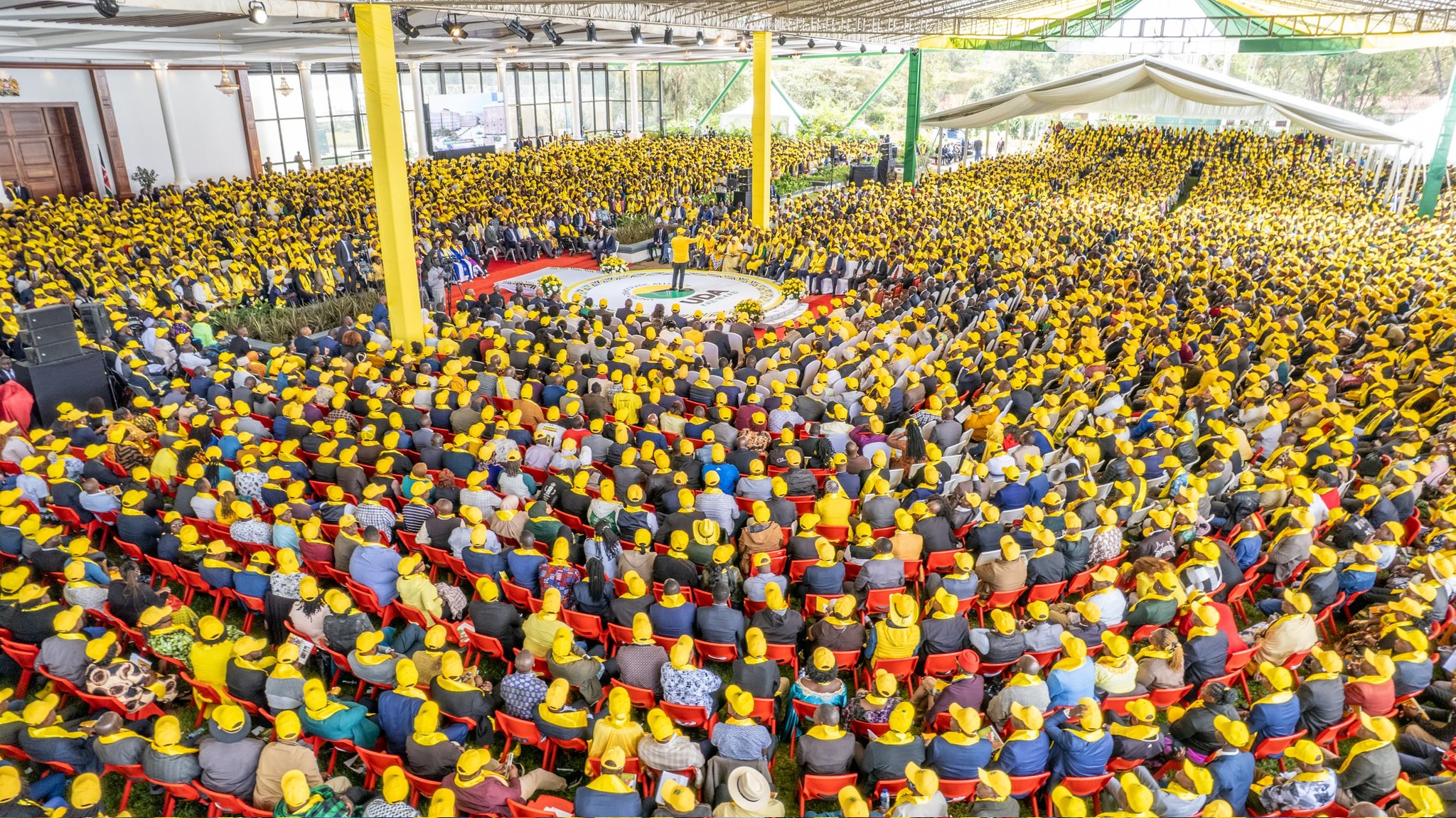
In recent months, State House has become a revolving door for high‑profile gatherings. Among them was a UDA aspirants’ forum on February 4, 2026, which drew party members into the presidential residence.
In 2025, delegations of teachers, led by Kenya Union of Post Primary Education Teachers (KUPPET) officials, also met there and reportedly received KSh 10,000 each as transport reimbursement after discussions on employment issues.
Church leaders and other organized groups have likewise been hosted, prompting scrutiny over whether State House—funded by taxpayers and constitutionally defined as the President’s official residence and workplace can lawfully host political or non‑state functions.
The Constitution of Kenya is clear about the symbolic and functional role of State House. Article 131 defines the President as Head of State and Government, Commander‑in‑Chief of the Defence Forces, and a unifying symbol for the nation.
Article 132 further outlines the President’s duties, including addressing Parliament and reporting to the nation, chairing Cabinet meetings and coordinating ministries, appointing senior State officers with parliamentary approval, receiving foreign diplomats and conferring national honours, and ensuring Kenya meets its international obligations.
Against this backdrop, the petition raises a fundamental question: can the seat of national unity double up as a partisan political arena?
With the Court opting for a full hearing, the debate over State House’s constitutional boundaries is far from settled. The ruling sets the stage for a landmark decision that could redefine how Kenya’s highest office balances its ceremonial, administrative, and political functions.
For now, State House remains both a workplace of the President and a contested stage in Kenya’s evolving democratic drama.