Workers under the Kenya Civil Aviation Authority (KCAA) cited grievances including denial of union representation and refusal to confirm long‑serving staff into permanent employment.
When the Kenya Aviation Workers Union (KAWU) called off its strike on February 17, 2026, Kenyans had already voiced their frustration, anger, and exhaustion after days of disrupted travel.
From stranded passengers to disappointed business travelers, the strike became a national conversation about accountability in the aviation sector.
On social media, travelers poured out their experiences:
@davidkayemba4 lamented a grueling journey: “My trip has moved from leaving Entebbe at 2:30 pm to arrive in Zanzibar at 8 pm, however now I have to leave at 9 pm to arrive in Nairobi at 10 pm to then spend nearly 10 agonising hours at JKIA and head to Zanzibar the next day.”
@MildredKio demanded compensation: “Reimburse our costs, my flight has been changed thrice yet am incurring costs as I should already be in the destination country! Am so disappointed with you guys, we are losing money, opportunities.”
Read More
@Talisman_James compared Kenya’s aviation woes to regional competitors: “Bana na hii mchezo hatufiki ligi ya Ethiopian Airlines.” (With this kind of game we can’t reach the league of Ethiopian Airlines.)
@Rhodescraterurged preparedness: “Have plan B whenever you hear of strikes—KE Airlines are already losing the grip due to bureaucratic system. It’s a challenging industry that requires planning and risk mitigation.”
These voices captured the public mood: frustration at missed opportunities, anger at repeated delays, and skepticism about Kenya’s aviation competitiveness.
The Strike and Its Suspension
The strike, led by air traffic control personnel under KAWU, had paralyzed operations at Jomo Kenyatta International Airport (JKIA) and across Kenya’s airspace. Flights were delayed, diverted, and canceled, prompting the Kenya Airline Pilots Association (KALPA) to call for calm and strict adherence to safety standards.
Workers under the Kenya Civil Aviation Authority (KCAA) cited grievances including denial of union representation and refusal to confirm long‑serving staff into permanent employment.
“These are still the initial stages of our strike action,” said Moses Ndiema, Secretary General representing KCAA employees, warning that more workers could join.
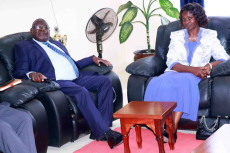
The breakthrough came after a high‑level meeting chaired by Cabinet Secretary (CS) for Roads and Transport Davis Chirchir and attended by Principal Secretary (PS) Teresia Mbaika, where KAWU officials agreed to suspend the strike and enter round‑table discussions.
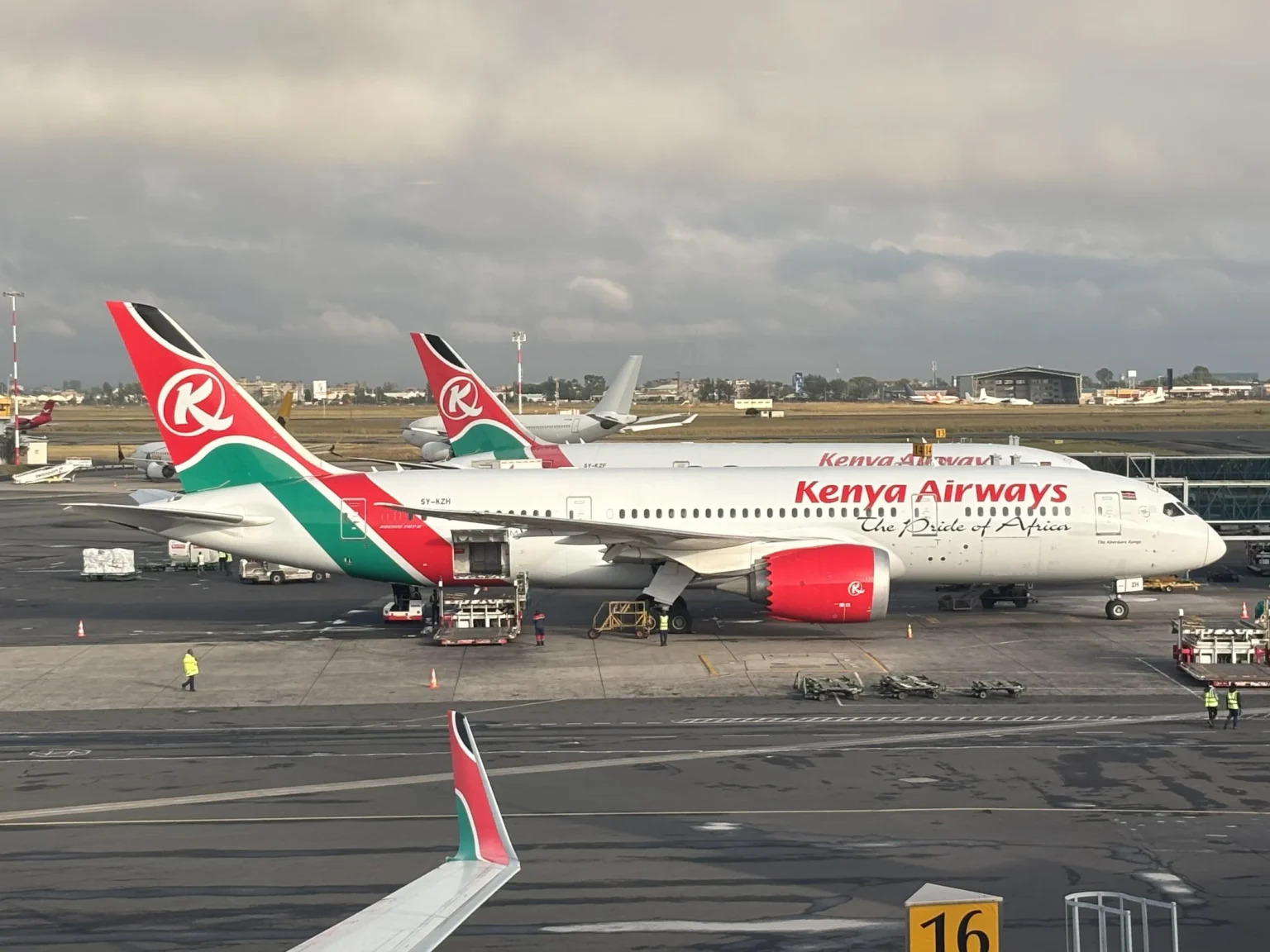
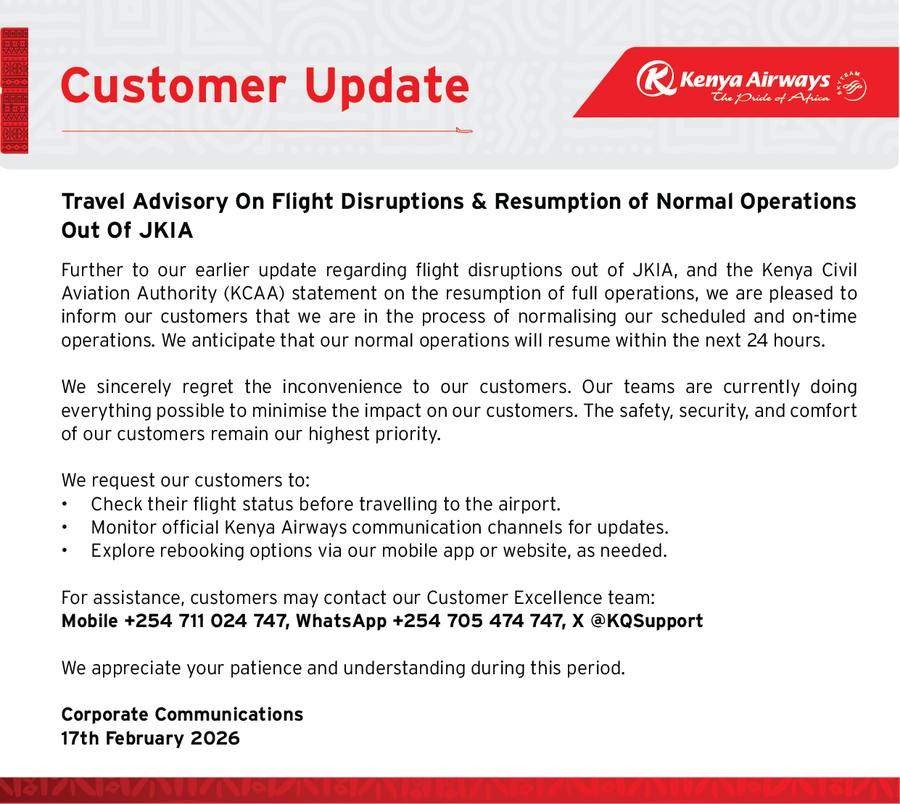
Following the agreement, KCAA confirmed that operations at JKIA had returned to normal, while Kenya Airways issued a travel advisory promising to restore schedules within 24 hours.
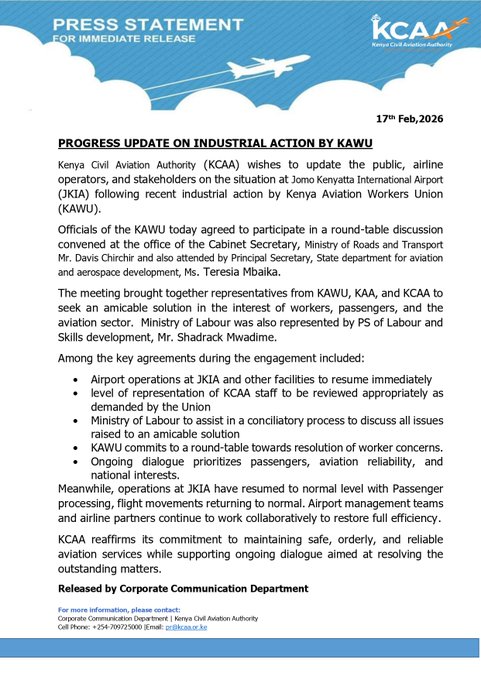
“Operations at JKIA have resumed to normal level with passenger processing, flight movements returning to normal,” said KCAA.
Kenya Airways added: “Our teams are currently doing everything possible to minimize the impact on our customers.”
Stay connected with us on WhatsApp and Facebook for instant updates and breaking news as it happens.