-1782136792.png)
Baringo North is defined by its semi‑arid rangelands, pastoralist traditions, and Lake Baringo’s fisheries. Livestock and irrigation farming anchor livelihoods, while water scarcity drives resilience projects. Tourism potential and small‑scale trade add economic diversity, yet politics remain firmly shaped by loyalty to dominant parties, with UDA’s sweeping victories reflecting the electorate’s alignment with regional trends.
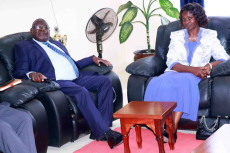
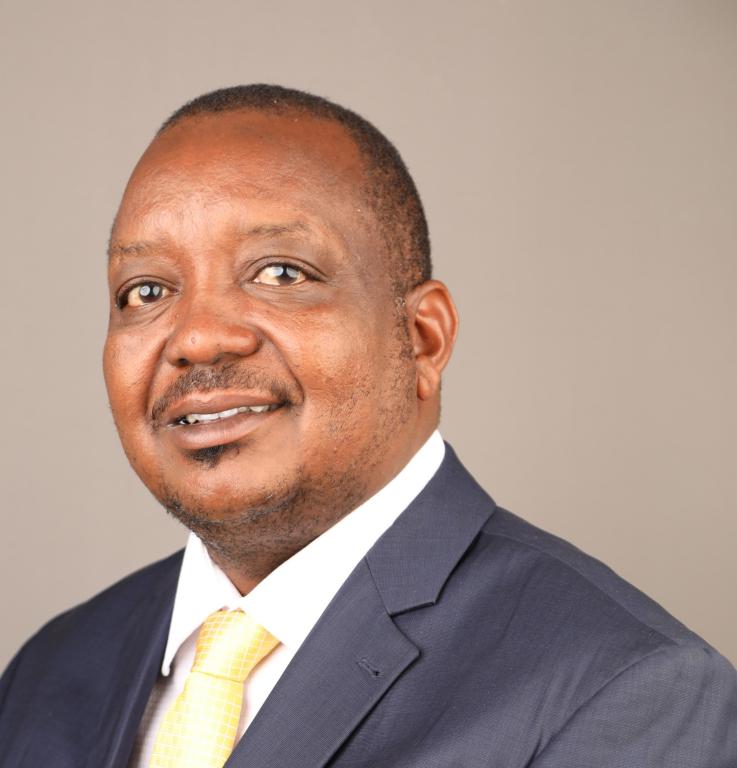 Hon. Joseph Kipkoros Makilap, Member of Parliament (MP) for Baringo North Constituency | Photo Courtesy | Parliament of Kenya
 Baringo North, located in the northern part of Baringo County within Kenya’s Rift Valley, is a constituency characterized by its expansive rangelands, pastoralist communities, and agricultural potential. It features a mix of arid and semi-arid areas, with residents engaged in livestock keeping, crop farming (especially in irrigated zones), and small-scale trade. The area has a dynamic political landscape influenced by ethnic and clan affiliations, particularly among Tugen communities.
Demographics and Administrative Units
Read More
Population: ~104,871 (2019 census)
Projected Population (2026): ~112,000 – 120,000 (based on county growth trends)
Area: ~1,629 km²
Registered voters (2022): ~50,287
Number of wards: 5
Ward Leadership (2022)
| WARD | MCA | PARTY |
| Barwessa | Lang'at Josphat Lokorio | UDA |
| Kabartonjo | Kiplagat Symon Kimuge | UDA |
| Saimo/Kipsaraman | Aengwo John Chongwo | UDA |
| Saimo/Soi | Chebon Michael Chepkeres | UDA |
| Bartabwa | Telieny David Sitoi | UDA |
All the five MCAs elected on UDA ticket is a reflection of how the electorates have the loyalty to the party.
Political Leadership
2022: Joseph Kipkoross Makilap (UDA) garnered 21,182 votes defeating Sammy Chelang’a (Independent) who came the second with 15,272 votes.
2017: William Kipkiror Cheptumo (Jubilee party) retained his seat with 12,413 votes defeating Joseph Makilap of Party for Development and Reform who garnered 12,374 votes.
2013: William Kipkiror Cheptumo (URP) emerged victorious with 18,605 votes beating Stephen Kipkebut (KANU) after he got 8,114 votes.
Economic Activities and Development Priorities
Baringo North Constituency is predominantly a semi-arid area where livelihoods depend heavily on livestock keeping, agriculture, fishing around Lake Baringo, and small-scale trade. Development efforts are largely focused on improving food security, water access, infrastructure, education, and economic resilience.
Livestock Development
Livestock remains the backbone of the local economy, with many households relying on cattle, goats, and sheep for income and food security. Key priorities include:
- Livestock breed improvement through artificial insemination and quality breeding stock.
- Disease control through vaccination programs and veterinary services.
- Expansion of cattle dips and livestock markets.
- Promotion of pasture production and fodder conservation during drought periods.
Irrigation and Agricultural Productivity
Due to erratic rainfall, irrigation is critical for boosting food production. Priority areas include:
- Expansion of irrigation schemes using Lake Baringo water.
- Promotion of drought-resistant crops.
- Access to subsidized farm inputs and extension services.
- Development of horticulture and crop value chains. A government initiative has proposed irrigating about 1,000 acres in Baringo North using Lake Baringo water to enhance food security and economic activity.
Water Supply and Climate Resilience
Water scarcity remains one of the constituency's biggest challenges. Development priorities include:
- Drilling and equipping boreholes.
- Construction of water pans and storage tanks.
- Expansion of piped water systems.
- Climate adaptation projects to support communities and livestock during droughts.
Fisheries and Blue Economy
The constituency benefits from proximity to Lake Baringo, creating opportunities in fisheries. Priorities include:
- Fish farming and aquaculture expansion.
- Fish processing and cold-chain facilities.
- Support for fisherfolk cooperatives.
- Value addition and market access for fish products.
Infrastructure Development
Improving connectivity is essential for economic growth. Key priorities include:
- Upgrading and maintenance of rural roads.
- Expansion of electricity connectivity.
- Improved telecommunications and digital infrastructure.
- Construction of markets and trading centers.
Education and Skills Development
Investment in human capital remains a major focus:
- Construction and rehabilitation of schools.
- Bursary support for needy students.
- Technical and vocational training programs.
- Digital literacy and youth empowerment initiatives.
Trade, Tourism, and Small Enterprises
Baringo North has significant tourism potential around Lake Baringo and surrounding landscapes. Development priorities include:
- Promotion of eco-tourism and cultural tourism.
- Support for SMEs and cooperatives.
- Expansion of local markets and business hubs.
- Youth and women enterprise development.
Political Behaviour
The voting pattern in Baringo North Constituency seemed to have a clear affiliation to dorminant parties in the Rift valley region and national trends. Candidates who vie the election through the dorminant parties in the region win compared to those who vie through independent or other parties. The UDA party winning all the five MCA seats in the constituency is a clear reflection of how the electorates are loyal to dorminant parties in the region.
Do you have updates or corrections about this constituency? If you have information that should be captured, or notice data that has changed or is inaccurately presented, kindly write to us at [email protected].