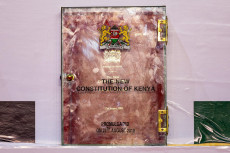
At the 16th Katiba Day Commemoration at the Kenyatta International Convention Centre (KICC), President William Ruto set out a clear constitutional standard:
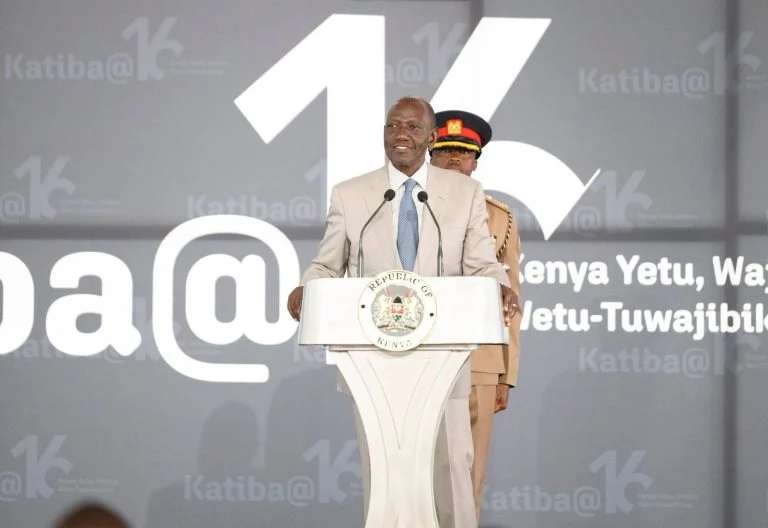
"We must distinguish carefully between a citizen exercising a constitutional right and an individual committing criminal offences. We must neither criminalize protests because of the actions of a few nor legitimize criminal conduct merely because it occurs in the course of a protest"
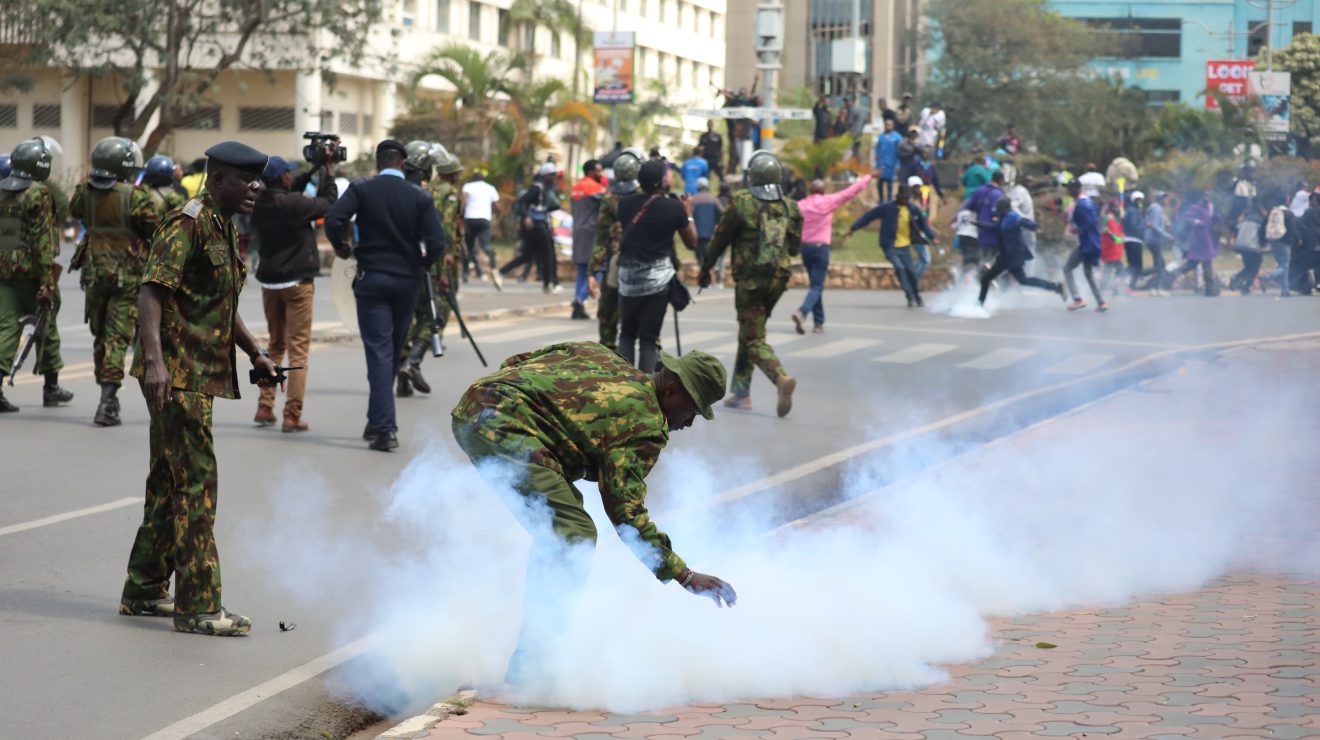
Less than 24 hours later, however, the President’s words stood in sharp contrast to what unfolded on the streets of Nairobi.
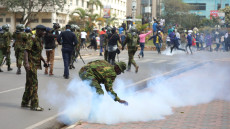
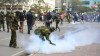
Small-scale traders marching towards the Kenya Revenue Authority (KRA) offices at Times Tower were met with police tear gas as they sought to petition the tax authority over increased customs assessments.
Read More
That raises an uncomfortable question: what does the President’s constitutional principle mean when it reaches the street?
Article 37 of the Constitution guarantees every person the right, peaceably and unarmed, to assemble, demonstrate, picket and present petitions to public authorities.
Where demonstrators are exercising that right peacefully, the responsibility of the state should be to protect their safety while managing any genuine security concerns—not to treat the entire gathering as a threat.
The traders from Gikomba, Kamukunji and Nyamakima were protesting a sudden increase in the Customs Minimum Benchmark for consolidated cargo, from Sh2.5 million to Sh3.2 million as reported by national news.
The Sh700,000 increase is not a minor adjustment for traders operating on already narrow margins. For businesses dependent on imported goods, particularly from China, higher customs assessments can directly affect their ability to restock, remain competitive and keep their businesses afloat.
For Gikomba traders, the dispute carries an additional burden. Many are still struggling to recover from devastating market fires that destroyed businesses and, in some cases, claimed lives.
The memory of those disasters—and concerns over the adequacy and speed of emergency responses—has left many traders with little confidence that the state is listening to their grievances.
Now, they are confronting higher import costs and tear gas on the streets.
The contradiction is difficult to ignore.
At KICC, the President spoke of a constitutional order capable of distinguishing between legitimate protest and criminal conduct. On the ground, however, traders exercising what they regard as their constitutional right to petition were dispersed by security forces.
That does not mean every protest should be beyond the law. Criminal acts committed during demonstrations should be dealt with individually and lawfully. But the presence of misconduct by some cannot become a license to suppress the rights of everyone else.
If the President’s Katiba Day message is to mean anything beyond the podium, it must be reflected in the conduct of the institutions under his government.
That means disciplined policing that protects peaceful and unarmed demonstrators. It also means government agencies listening to legitimate economic grievances and explaining, rather than simply imposing, tax measures that can place small businesses under severe strain.
Constitutional rights cannot exist only in presidential speeches, conference halls and commemorative ceremonies. They must survive contact with the street.
For the traders left coughing in Nairobi’s city center, the test of the Constitution was not what was said at KICC. It was what happened when they exercised their rights outside it.