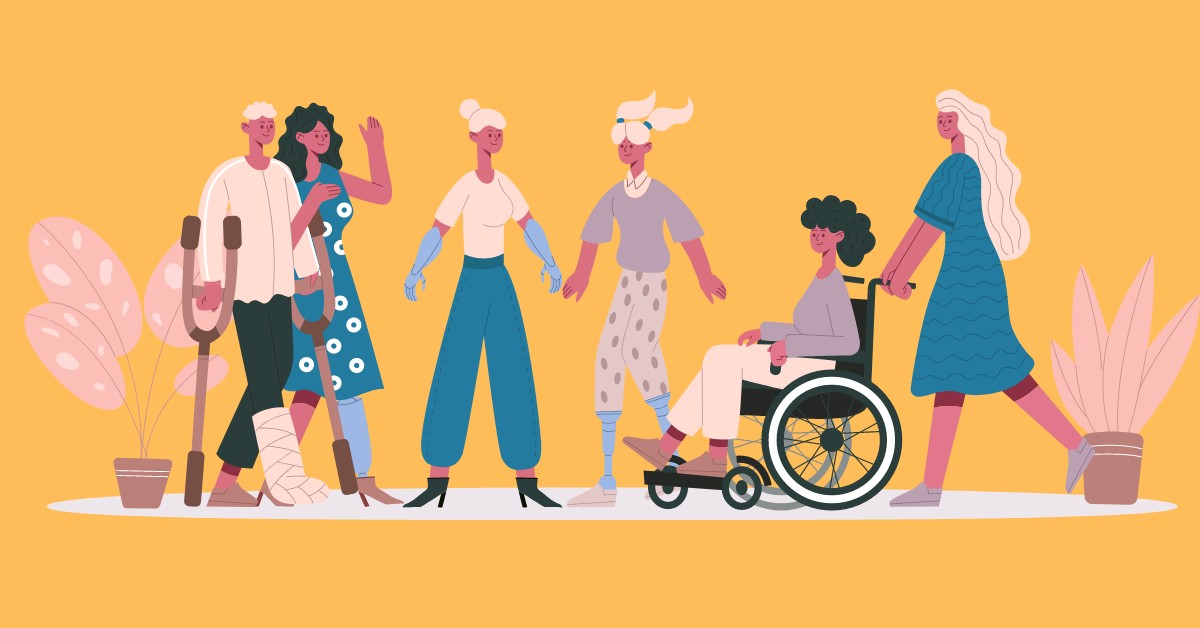
- The United Nations has emphasized a truth too often ignored: women and girls with disabilities face disproportionately high rates of violence—frequently from those closest to them. “Safety isn’t a privilege. It’s a right,” the UN declared.
On December 3, 2025, the world marked the International Day of Persons with Disabilities. It is a day of solidarity, reminding that dignity, rights, and inclusion are not favors to be granted, but entitlements to be upheld. This year’s theme, “Fostering disability‑inclusive societies for advancing social progress,” carried a powerful resonance.
The United Nations has emphasized a truth too often ignored: women and girls with disabilities face disproportionately high rates of violence—frequently from those closest to them. “Safety isn’t a privilege. It’s a right,” the UN declared.
Yet rights remain fragile when justice is inaccessible. For women with visual or hearing impairments, the barriers to reporting abuse or navigating courts are immense. And in the digital age, where online harassment spreads unchecked, the UN has warned: “We cannot turn the tide of digital abuse without also ensuring women and girls with disabilities have safe access to the technology they need to live with dignity.”
According to the UN, globally, 16 per cent of the population lives with a disability—over 700 million of them women and girls. Despite decades of advocacy, including the landmark Beijing Declaration and Platform for Action of 1995, these women continue to encounter discrimination. Their vulnerability to violence is not accidental, it is systemic.
Recent research by the UN Women and the UN Trust Fund to End Violence Against Women offers a roadmap forward.
Read More
1. Centering women and girls with disabilities
They must not be spoken for—they must speak for themselves. Policies are most effective when women with disabilities are directly involved in shaping, implementing, and monitoring them.
2. Challenging harmful stereotypes
Too often, women with disabilities are seen as passive, dependent, or helpless. These perceptions, layered atop gender norms, create a cycle of exclusion.
3. Addressing root causes of violence
Segregation breeds vulnerability. Integration into schools, workplaces, and communities dismantles the isolation that enables abuse.
4. Fostering partnerships and collaboration
Organizations tackling gender‑based violence must partner with disability groups. Such alliances embed disability rights into broader agendas and enrich understanding of the complex intersections between gender, disability, and violence.
5. Designing programmes that meet women’s needs
Women with disabilities often shoulder disproportionate unpaid care work, limiting economic opportunities. Care systems must be responsive to their realities, enabling independence and security.
This year’s observance unfolded within the 16 Days of Activism Against Gender-Based Violence a global campaign running from 25 November to 10 December. Beginning on the International Day for the Elimination of Violence Against Women and ending on Human Rights Day, the campaign connects local struggles to global solidarity.
For women and girls with disabilities, the 16 Days are achance to demand visibility, justice, and inclusion in movements that too often overlook them.
Stay connected with us on WhatsApp and Instagram for instant updates and breaking news as it happens.