- The tragic irony is that, legally, these scammers are playing in a grey area. Because titles, short phrases, and slogans often lack the threshold of originality required for copyright protection, they cannot be shielded by traditional law.
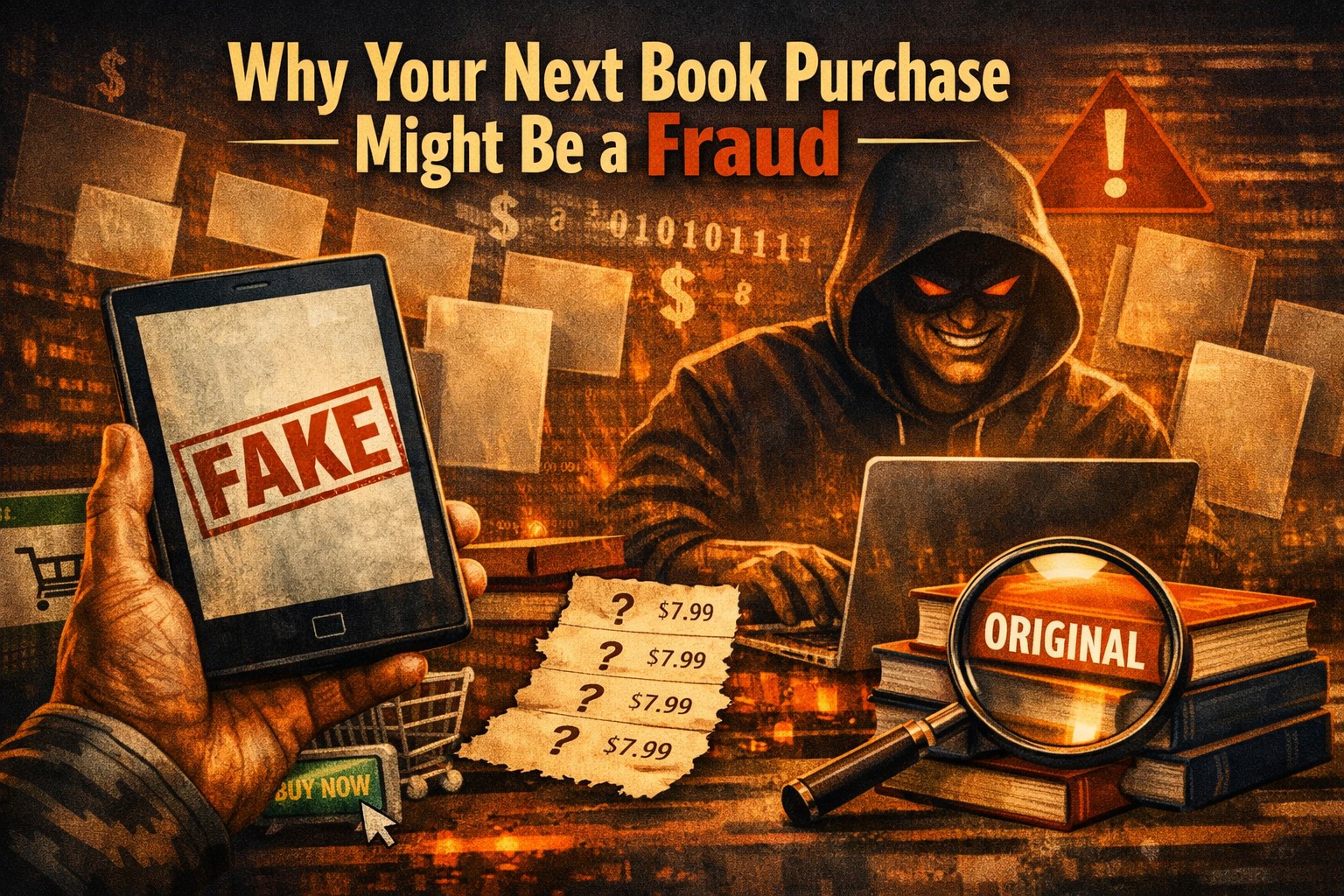
In the digital marketplace, buying a book has become a minefield. What used to be a simple transaction involving finding a title, checking the author, and clicking the purchase button is now fraught with the risk of being duped by sophisticated scammers.
As a generation, we are witnessing the rise of AI slop. This is massive, low-quality, digital content churned out by generative AI to mimic the titles of legitimate bestsellers.
AI slop is a new predatory practice that robs authors and publishers of millions and undermines the integrity of the creative industry.
Inside this new form of crime, scammers monitor upcoming new book releases, especially those of anticipated memoirs and books by public figures. Before the real book even hits the shelves, they flood online marketplaces with hundreds of almost identical titles, often priced to undercut the original.
Last year, Narrative Landscape Press announced the launch of Femi Otedola’s memoir, Making it Big, but before the official release, over 70 similar-titled AI-generated knock-offs appeared online.
Read More
For any ordinary reader, distinguishing between the real book and the fabricated copy is not easy, and most end up unknowingly purchasing hollow, unverified AI output instead of the genuine work.
Why legislation is failing
The tragic irony is that, legally, these scammers are playing in a grey area. Because titles, short phrases, and slogans often lack the threshold of originality required for copyright protection, they cannot be shielded by traditional law.
While the content of a book is protected, AI tools are now being used to rewrite or summarise stories in ways that manoeuvre the edges of infringement, leaving authors defenceless.
Publishers are being forced to adapt in ways that stifle the creative process. To prevent leaks and pre-emptive cloning, publishing companies are scaling down teams and working in near-total secrecy, reversing the collaborative spirit that historically defined the industry.
Beyond the financial loss, AI slop erodes creativity. The malicious use of AI to generate unverified, superficial content devalues the human labour and intellectual rigour that go into writing a book.
What can be done?
We are currently in a period of technological advances where innovation has outpaced legislation. While global conferences are now scrambling to draft protections, the burden of defence currently falls on the readers.
Until lawmakers catch up, readers must become vigilant gatekeepers. If you spot a suspicious, low-quality, or oddly priced copy of a book you know to be legitimate, report it. Flagging these titles is one of the few ways to strike back, ensuring that scammers cannot profit from their digital mimicry.
The publishing industry is fighting for its life against this new form of piracy.
Stay connected with us on WhatsApp and Facebook for instant updates and breaking news as it happens.

-1772715324-md.jpg)





-1772715324-sm.jpg)