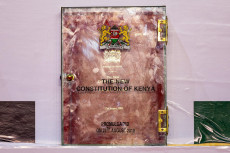
- Healthcare in Kenya is not merely a policy aspiration; it is a constitutional right enshrined in Article 43(1)(a), which guarantees every citizen the highest attainable standard of health.
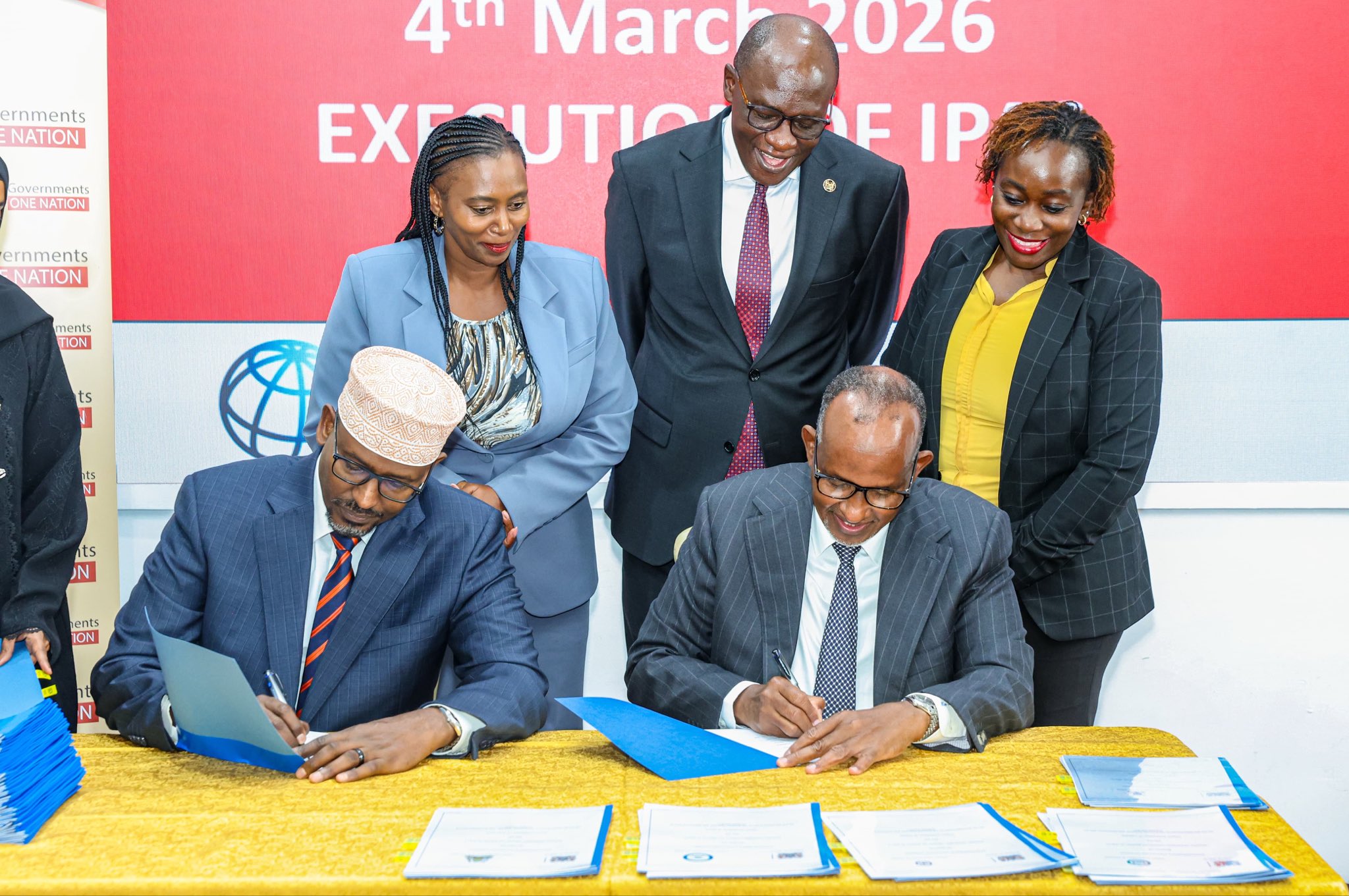
The signing of the Intergovernmental Participatory Agreements (IPAs) on March 4, 2026 under the Building Resilient and Responsive Health Systems (BREHS) Project marks a significant milestone in Kenya’s journey toward Universal Health Coverage (UHC).
Cabinet Secretary (CS) for Health Aden Duale presided over the ceremony, reaffirming the commitment of both national and county governments to deliver quality, equitable, and accessible healthcare to all Kenyans—regardless of income, gender, age, or location.
“The agreements strengthen legal, financial, and operational coordination between the two levels of government and the World Bank, enhancing accountability and ensuring efficient use of resources,” Duale posted on X.
Healthcare in Kenya is not merely a policy aspiration; it is a constitutional right enshrined in Article 43(1)(a), which guarantees every citizen the highest attainable standard of health.
The BREHS Project, a USD 215 million five year initiative running from January 2025 to June 2029, aligns directly with this mandate. By emphasizing primary and community level care—the first point of contact for most Kenyans—the project addresses one of the system’s most pressing weaknesses: the gap in accessible, quality services at the grassroots.
Read More
BREHS thrives on collaboration. Health service delivery in Kenya is a shared responsibility between national and county governments, and the signing of the IPAs formalizes this partnership.
Effective intergovernmental collaboration ensures that resources, training, and technology reach every corner of the country, fostering accountability and shared responsibility for measurable health outcomes.
This approach is particularly critical in high priority counties such as Kilifi, Kwale, Narok, Homa Bay, West Pokot, Wajir, Mandera, Garissa, Turkana, and Tana River, where health indicators have historically lagged behind the national average.
The project places strong emphasis on reproductive, maternal, neonatal, child, and adolescent health (RMNCAH).
Interventions targeting maternal mortality reduction, prevention of adolescent pregnancies, and expanded access to family planning services remain central. Strengthening neonatal and child health services ensures children in vulnerable areas receive timely care, fostering a healthier and more productive population.
BREHS also extends support to refugee camps and host communities in Garissa and Turkana, promoting equity and social justice by ensuring that every individual—regardless of citizenship or status—has access to life saving healthcare.
Strategic partnerships further strengthen the project. The World Bank brings technical expertise, funding, and best practices in health systems strengthening. By leveraging such partnerships, Kenya can adopt innovative solutions, digital health tools, and sustainable financing mechanisms that improve efficiency, reduce waste, and expand the reach of services.
BREHS demonstrates a commitment to evidence based implementation by monitoring progress at both county and national levels, adjusting strategies in real time to deliver tangible improvements.
The presence of governors, deputy governors, senior ministry officials, and international partners at the signing ceremony underscores the high level buy in this initiative enjoys—a factor crucial for sustained success.
Stay connected with us on WhatsApp and Facebook for instant updates and breaking news as it happens.