
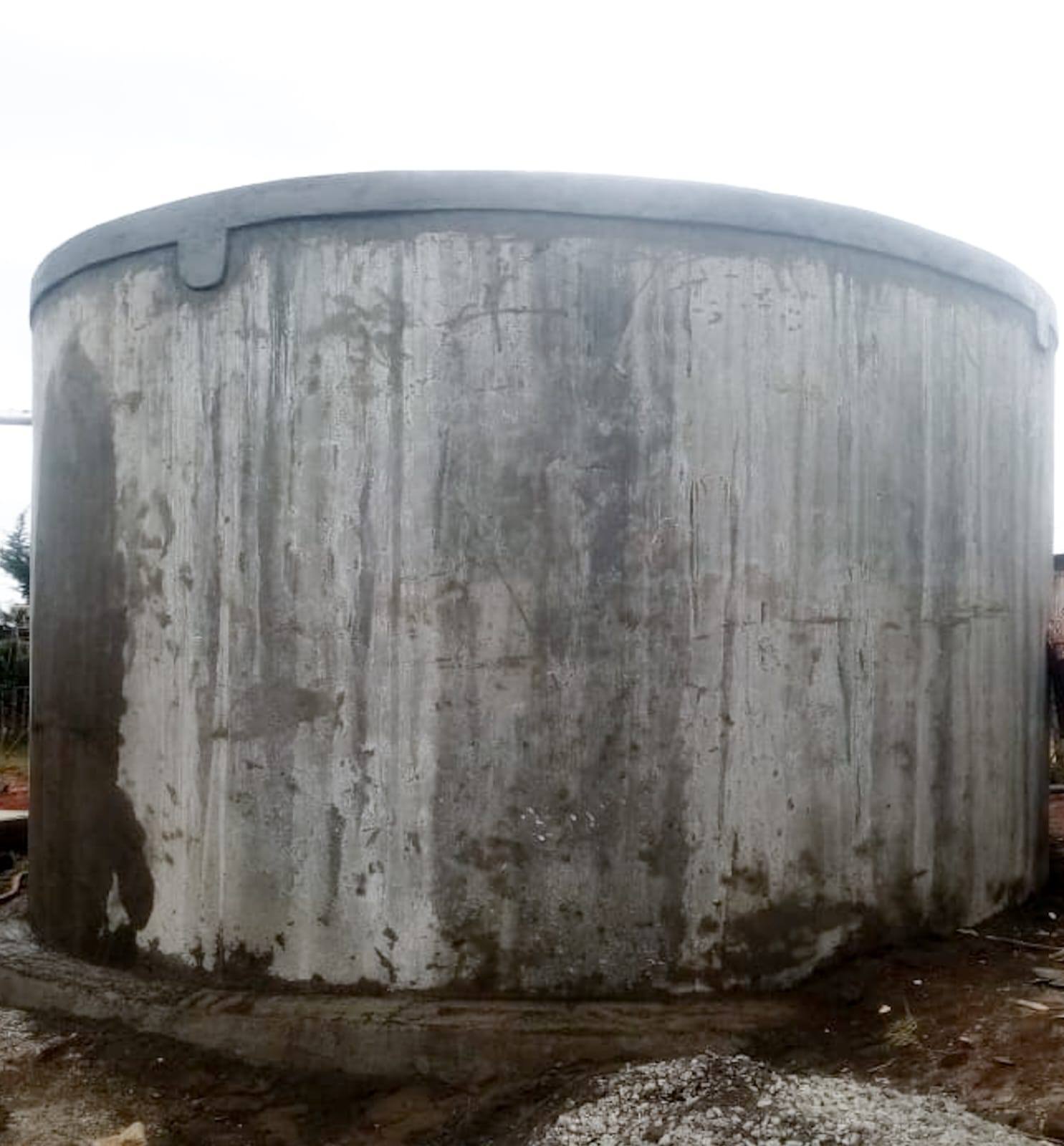
- The County Government of Nakuru has built a 50,000‑litre water storage tank in Roret, Kiptororo Ward, Kuresoi North, extending a 700‑metre pipeline and adding a communal water point to serve over 2,000 residents and Roret Comprehensive School.
The County Government of Nakuru has constructed a 50,000-litre water storage tank at Roret in Kiptororo Ward, Kuresoi North Sub-County, to boost access to safe and reliable water.
The project extended a 700-metre pipeline from the borehole to the tank and added a communal water point to serve the local community.
“The concrete water tank will provide a dependable supply to more than 2,000 residents, including Roret Comprehensive School. It ensures clean and sufficient water while reducing reliance on unsafe sources such as wells, rainwater, and river water,” the County Government said.
Officials emphasize that the facility enhances water storage and preservation, securing supply for future community use.
“Under the leadership of Governor Susan Kihika, the County Government of Nakuru continues to scale up access to safe water by strengthening and expanding water infrastructure projects across the county,” the statement added.
Read More
The Government clarified that the tank is a continuous storage system, not a one-time ration.
“The borehole feeds the tank continuously, and the tank ensures steady supply, pressure, and reliability for over 2,000 residents,” the County Government said.
Despite such interventions, Nakuru continues to grapple with persistent water shortages. Stalled dam projects, rising demand, and aging infrastructure have strained supply. The county is drilling boreholes, upgrading storage, and pursuing partnerships to expand access, but challenges remain in informal settlements, arid zones, and rural areas.
The Itare Dam in Kuresoi, Nakuru County, was envisioned as a game-changer. Budgeted at Sh35–38 billion, the dam was designed to store over 28 million cubic meters of water and supply Nakuru city and its environs.
Launched in 2015 with completion targeted for 2021, the project stalled at 32 percent progress due to financing challenges, contractor disputes, and alleged procurement flaws. Construction stopped, leaving Nakuru with severe shortages.
Efforts to revive the project are ongoing, but full completion is projected to take several more years.
For now, Nakuru relies on stopgap measures—boreholes, storage tanks, and community water points to bridge the gap left by stalled mega-projects.
Stay connected with us on WhatsApp and Facebook for instant updates and breaking news as it happens.



-1768808927-md.jpg)



-1768808927-sm.jpg)