
- London in Nakuru carries the weight of colonial footprints etched into the Rift Valley, yet it also rises as a metaphor for ambition, prominence, and the desire to connect with a world beyond. Over the years, it has resisted renaming, transforming into a local brand woven into Nakuru’s cultural fabric.
On the outskirts of Nakuru, where Kenya’s culture and traditions breathe through every street, stands a neighbourhood with an unlikely name—London. It may not rival the glittering sprawl of Britain’s capital, yet it carries its own grandeur: a history etched in colonial memory, an elevated vantage that commands the city below, and a presence that insists on being read alongside the London of England.
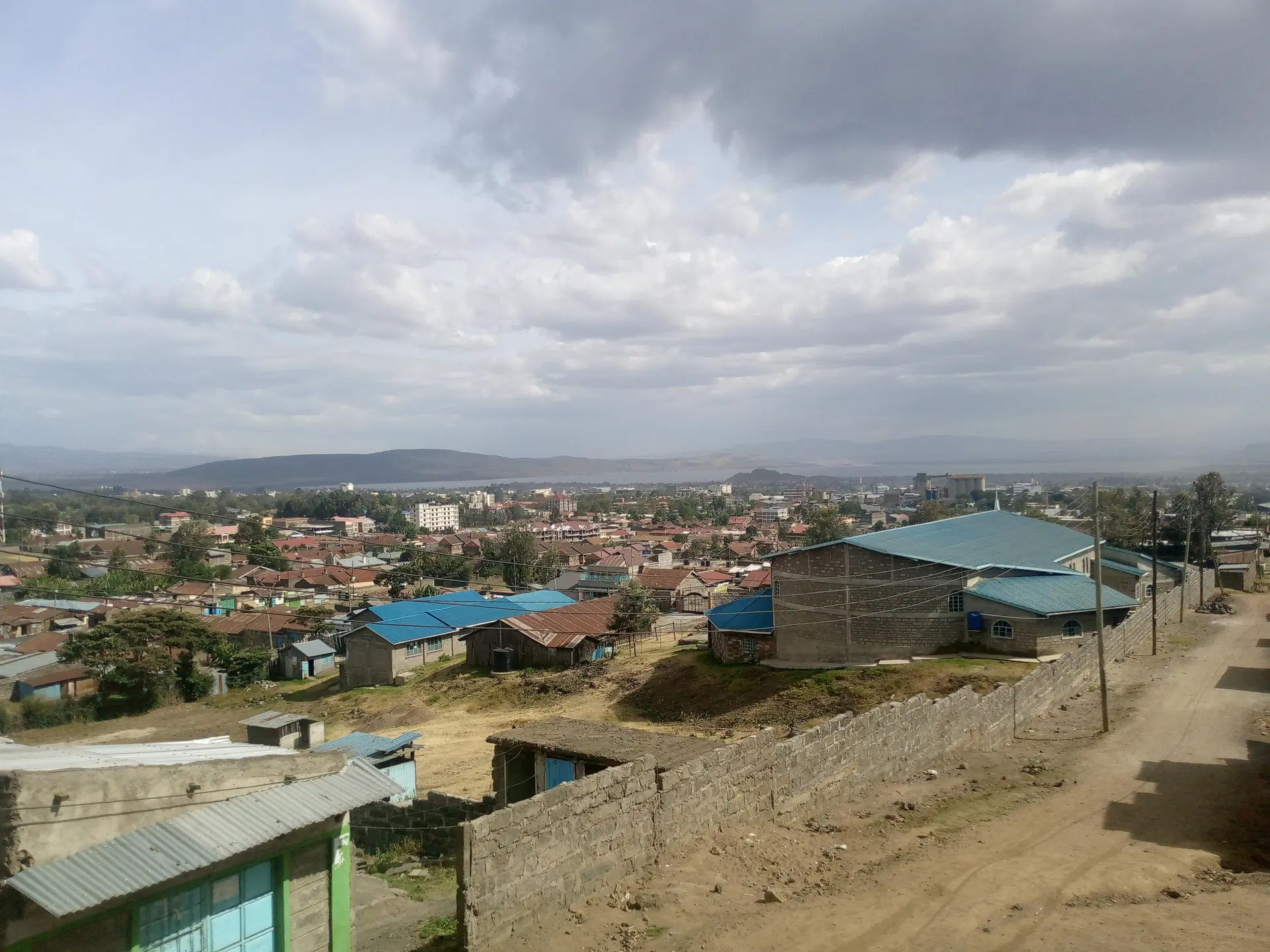
London carves its place on Nakuru’s map. It borders Nakuru GK Prison to the north, the industrial area to the south, ASK Showground to the west, and Kiamunyi to the east. Being strategically positioned between a carnival spirit and a neighbouring rising skyline, it sits at the crossroads of discipline, industry, festivity, and ambition. This makes London an estate where Nakuru’s pulse beats in every direction.
The name London in Nakuru has always begged explanation. Some trace it to a British settler who once lived around Hilton and Guba, a presence that left locals calling the area ‘London.’ Another explanation points to its elevated ground that commands sweeping views of Nakuru’s restless cityscape and the shimmering expanse of Lake Nakuru.
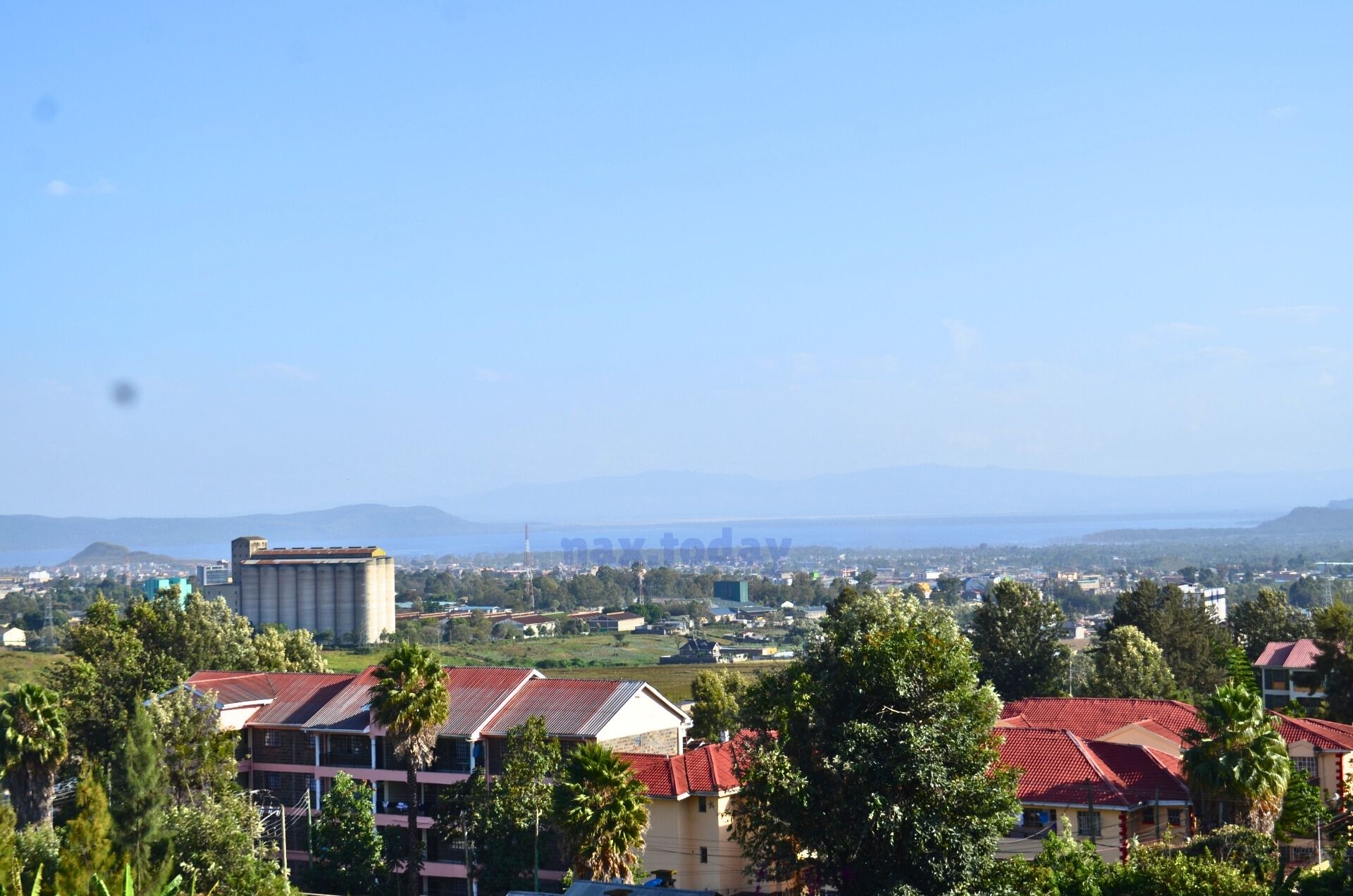
From that vantage, youth drew a metaphor of grandeur, likening this estate to the capital across the seas.
Turning the calendar back to history, Nakuru sat at the heart of the so‑called ‘White Highlands,’ a stretch of Rift Valley land carved out exclusively for European settlers. Through decrees such as the Crown Land Ordinance of 1902, fertile acres were seized and designated as Crown Land, reserved for outsiders. It is within this history of colonial grandeur that names like ‘London’ found fertile ground and have lingered ever since.
Freed from colonial shadows, London now flaunts tarmacked feeder roads and modern infrastructure, courtesy of the World Bank’s upgrade of informal settlements—prestige befitting its name.
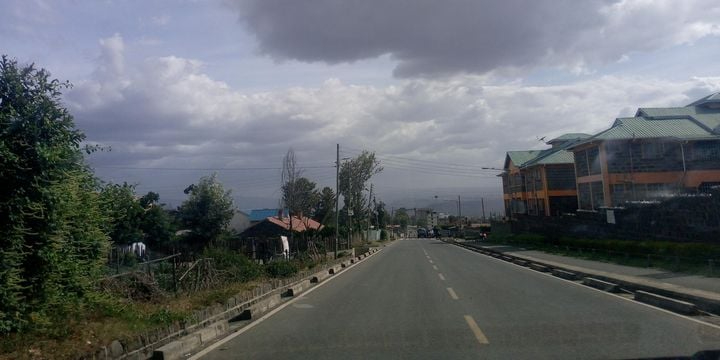
The estate splits into Lower London, alive with students, cheap rentals, and the hum of nearby institutions like Kabarak University City Campus and Nakuru Kenya Medical Training College (KMTC), among others; and Upper London, where the corporate class settles into polished homes, entrepreneurial ventures, and a rising air of affluence.
London in Nakuru carries the weight of colonial footprints etched into the Rift Valley, yet it also rises as a metaphor for ambition, prominence, and the desire to connect with a world beyond. Over the years, it has resisted renaming, transforming into a local brand woven into Nakuru’s cultural fabric.
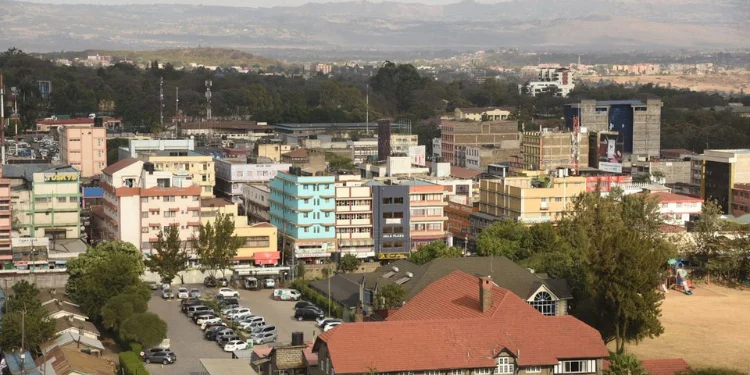
In the end, London here is not just a neighbourhood, it is a mirror that reflects the colonial past, the youthful reinvention of place, and the enduring instinct to name our spaces after dreams larger than ourselves.
London here is a metaphor for how communities reimagine history. How do you think names shape the identity of our neighbourhoods today?
Stay connected with us on WhatsApp and Facebook for instant updates and breaking news as it happens.