Loneliness is a growing social and emotional challenge affecting people across all ages and backgrounds, including those who appear socially active. The article explores the difference between loneliness and social isolation and introduces social prescribing as an alternative approach to improving well-being. Through activities such as community gardening, art classes and walking groups, social prescribing connects individuals with meaningful social interactions and community support.
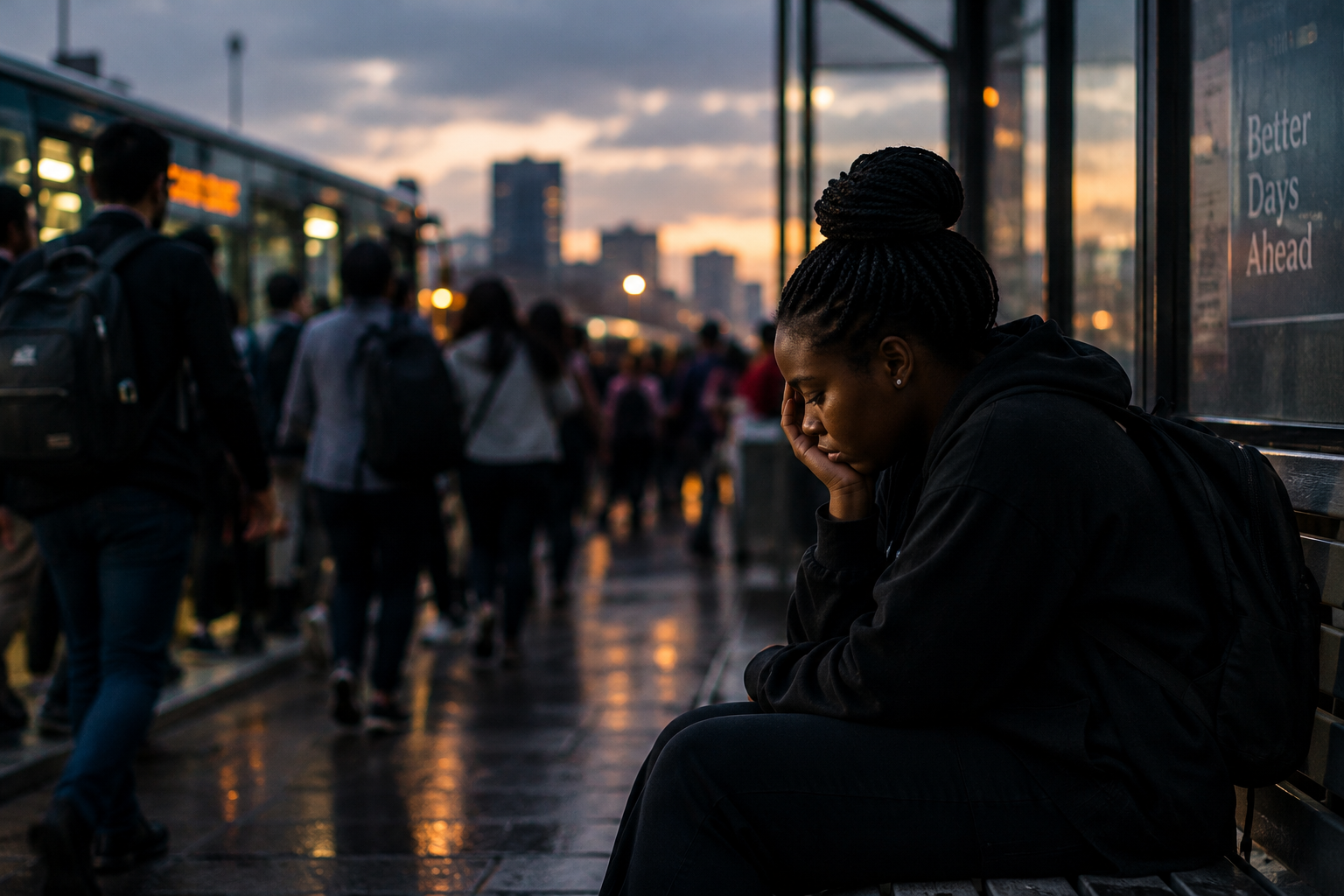
At 7:00 a.m., the streets are already coming alive. People hurry to work, students rush to lectures, traders arrange their goods, and commuters fill public transport vehicles. Conversations fill the air, phones keep ringing, and social media notifications continue to pop up. Yet, behind this seemingly busy world, millions of people are silently battling a feeling that no amount of noise can cure: loneliness.
Loneliness has become one of the silent challenges affecting people across the world. Although it is often associated with old age, loneliness does not discriminate based on age, gender, social status or economic background. It can affect university students living away from their families, young people struggling to fit into society, parents overwhelmed by responsibilities, working adults with demanding schedules and elderly people who have lost their partners or friends.
Loneliness is not necessarily about being physically alone; it is about feeling disconnected, misunderstood or emotionally separated from other people, even when surrounded by them. Social isolation and loneliness are closely related, but they are not exactly the same. Social isolation refers to having limited social contact or few relationships with other people, while loneliness is the emotional feeling of being alone or lacking meaningful connections. For instance, a university student may attend lectures, interact with classmates and participate in group activities but still feel lonely because they have nobody, they can comfortably share their personal struggles with.
Imagine visiting a hospital because of persistent stress, sleeping difficulties or emotional exhaustion. After examining you, the doctor does something unexpected. Instead of simply writing a prescription for medication, they recommend joining a community gardening group, attending an art class or participating in a weekly walking club. It may sound unusual, but this is the thinking behind social prescribing.
Social prescribing is an approach that connects patients with non-medical activities, community services and social support to improve their overall well-being. It recognizes that health is influenced not only by physical conditions but also by relationships, living environments and social circumstances. Consider an elderly person who spends most of their days indoors. Following retirement or the death of a spouse, their social interactions may gradually decline. Their children may have moved to different towns, neighbors’ may rarely visit, and familiar routines may disappear.
Joining a community gardening group could introduce a new routine into their life. They would have people to meet, plants to care for and conversations to look forward to. Over time, familiar faces could become friendships, while shared responsibilities could restore a sense of purpose. Art classes provide another opportunity. Painting, music, dancing and craft activities allow individuals to express emotions while interacting with others. Participants do not necessarily need to be talented artists. The purpose is not to produce masterpieces but to create an environment where people feel accepted, included and appreciated.
In Kenya, social relationships have traditionally been strengthened through family gatherings, religious fellowships, neighborhood interactions, chama groups and community activities. These structures have provided spaces where people share experiences, support one another and develop a sense of belonging.
However, changing lifestyles are transforming how people interact. Urbanization, demanding work schedules, economic pressures and migration have changed family structures. Many young people leave their rural homes to pursue education and employment in urban centers. Others relocate to different counties or countries, leaving behind the social networks they once depended on.
Technology has made communication easier, but digital interaction does not always translate into meaningful emotional connection. Someone may have hundreds of followers, receive numerous likes and participate in several WhatsApp groups while still lacking a person they can approach during difficult moments. A student may attend lectures every day, participate in group discussions and interact with classmates but still experience loneliness. The pressure to appear happy and successful can make it difficult to admit that they are struggling emotionally.
Youth organizations could organize football tournaments, music sessions, book clubs and creative workshops to encourage social participation among young people. Such partnerships would help transform existing community activities into opportunities for promoting health and well-being. However, social prescribing should not be confused with simply telling lonely people to socialize. Effective programs require understanding individual circumstances, addressing accessibility barriers and ensuring that activities are welcoming and appropriate. Some individuals may need professional counselling or medical treatment alongside social support.
The growing interest in social prescribing raises an important question: can friendship and community participation genuinely improve someone's health? Research has associated strong social connections with better mental and physical health outcomes. Meaningful relationships can provide emotional support, reduce feelings of isolation and encourage healthier behaviors.
The World Health Organization has also recognized social connection as an important public health priority. Its Commission on Social Connection has highlighted the consequences of loneliness and social isolation and the need for action. Loneliness does not always announce itself. It can hide behind a smile, a busy schedule, a classroom full of students or a crowded household. Sometimes, the person who appears socially active is the one struggling most with emotional disconnection.
Perhaps this is why social prescribing offers an important lesson beyond healthcare facilities. It reminds society that caring for one another should not be left entirely to doctors and counsellors. A neighbor checking on an elderly person, a friend making time for a meaningful conversation, a church organizing a fellowship gathering or a university creating inclusive student activities can make a difference.
As healthcare systems explore new ways of treating loneliness, one thing becomes increasingly clear. Medicine can treat diseases, but human connection can help restore the feeling of belonging that makes life meaningful.