
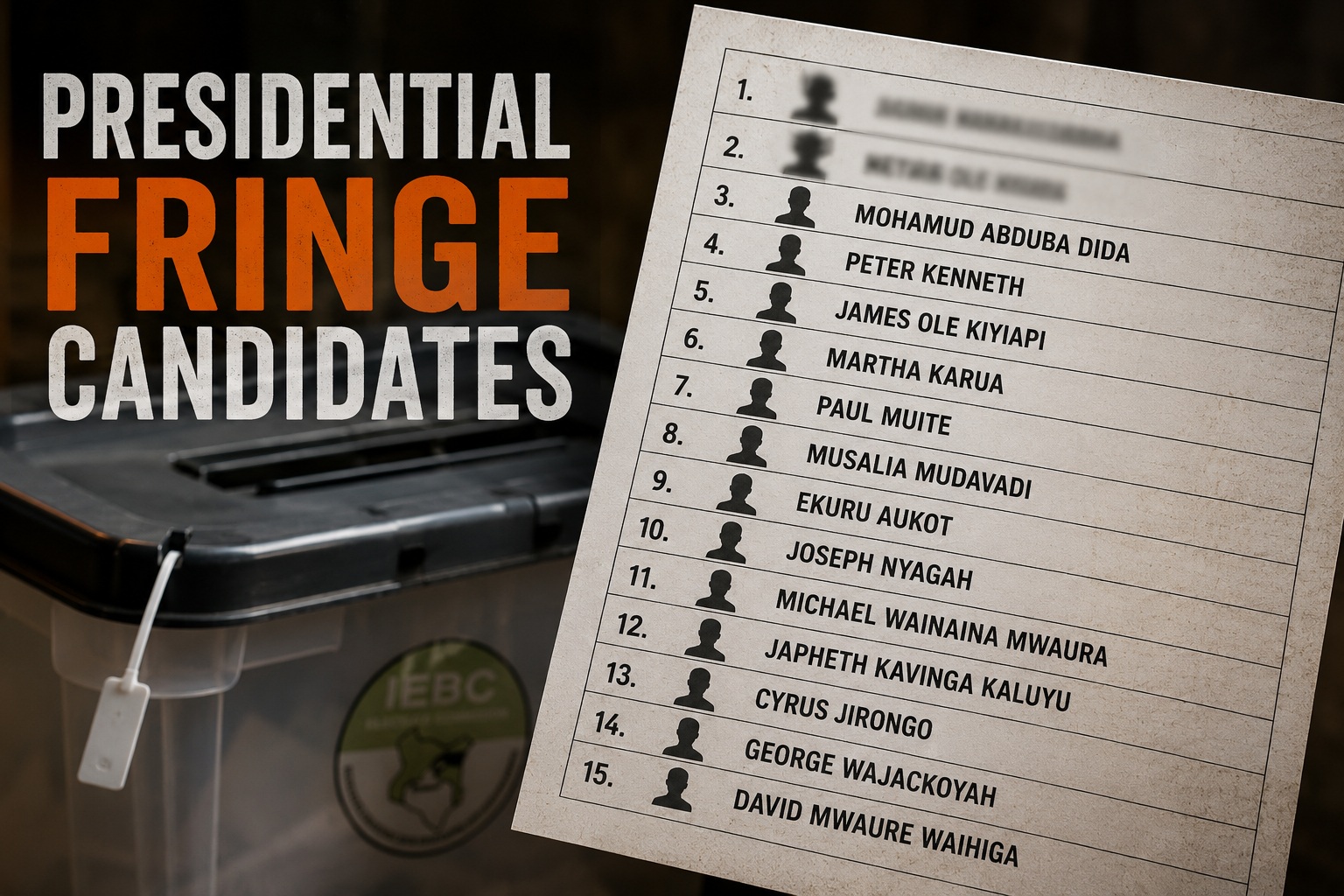
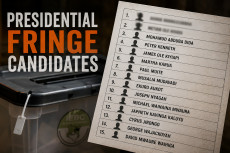
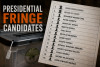
Every presidential election celebrates its frontrunners, but Kenya's democracy has also been shaped by candidates who never expected to win. Their campaigns challenged convention, introduced bold ideas and reminded voters that the country's highest office should remain open to anyone willing to contest for it, regardless of wealth, ethnicity or political influence.
In the high-stakes sprint of presidential elections, the term “horse race” is often used to describe the leading contenders and their pace toward victory. But in Kenya’s political landscape, another figure is often overlooked: a donkey.
Fringe Candidates: The Voices Challenging Political Tradition
Symbolic of fringe candidates, the donkey represents resilience, unconventional ideas, and the audacity to run against all odds. Since the reintroduction of multiparty democracy in 1992, fringe candidates have consistently appeared on the ballot. Though none have won the presidency, their presence has shaped discourse, challenged norms, and occasionally influenced outcomes.
In the high-stakes sprint of presidential elections, the term “horse race” is often used to describe the leading contenders and their pace toward victory. But in Kenya’s political landscape, another figure is often overlooked: a donkey.
2013 Elections: When Outsiders Entered the Big Race
Read More
The 2013, 2017 and 2022 elections provided particularly clear examples of this persistent tradition.
The first general election in Kenya to be held under the 2010 Constitution was dominated by two big ethnic-based coalitions, Jubilee and CORD; nevertheless, several alternative candidates did decide to stand. A few of them were true outsiders while the rest were experienced politicians who deliberately placed themselves outside the main ethnic arrangements.
Mohamud Abduba Dida: The Teacher Who Challenged the Elite ( Photo Courtesy/: Nation Africa)
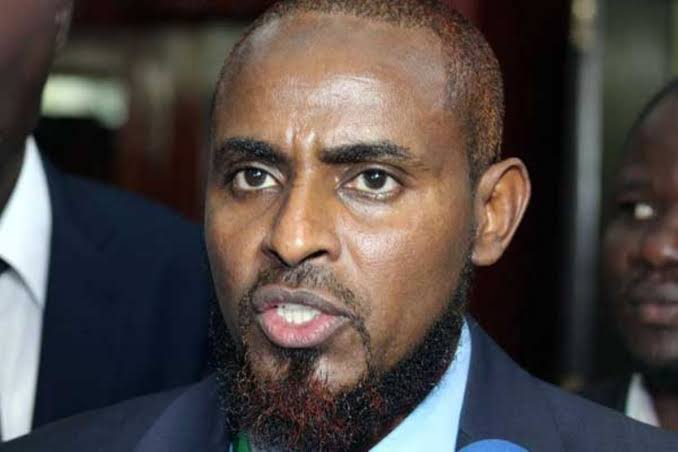
Mohamud Abduba Dida, who had been a secondary-school teacher in northern Kenya and was a member of the Alliance for Real Change, emerged as an unexpected star. Having neither a lot of money nor support from any ethnic group, he gained popularity through the use of simple language, a sense of moral indignation and a sharp sense of humor to ridicule the greed of the elite.
His platform was based on providing completely free education, ensuring that the poorest people had access to basic healthcare, and on the rather unusual notion of organizing the export of labor so that remittances could promote national development. Although he received 52,848 votes (0.43 per cent)in 2013 General Elections , 38,093 votes in 2017 General Elections, he made a lasting impression as 'the teacher who dared'.
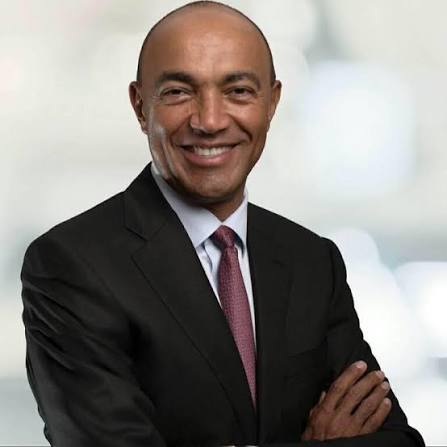
Peter Kenneth: The Technocrat Who Ran Without Ethnic Alliances ( Photo Courtesy/: Peter Kenneth's FB)
Peter Kenneth, who was associated with the Eagle Alliance/Kenya National Congress, stood in the race as a well-polished technocrat. Having previously been the MP for Gatanga, he rejected any form of ethnic alliances and was the first candidate to publish a complete manifesto.
His areas of focus included national and food security, employment, infrastructure, healthcare, education, tourism, slum upgrading, water, agriculture, engagement with the diaspora, the environment and manufacturing. Specific commitments amounted to the construction of a bridge over the Likoni Channel, large irrigation dams, and an annual fuel levy dividend of Ksh 1 billion for each county. He received 72,786 votes in 2013 general elections (0.60 per cent), which was the highest number among the pure fringe candidates.
James Ole Kiyiapi: A Campaign Built on Institutional Reform (PHOTO | COURTESY : University of Eldoret Website)
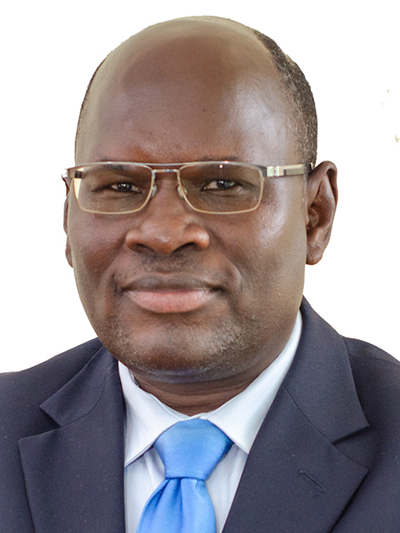
James Ole Kiyiapi, who was previously the Permanent Secretary in charge of Education and also a university professor, ran for office as the candidate advocating institutional reform.
Instead of engaging in personal politics, he promoted the professionalization of the civil service, stressed efficiency and placed a priority on food security.
The calm and thoughtful nature of his campaign secured for him 40,624 votes in 2013 general Elections (0.33 per cent).
Martha Karua: The Constitutional Voice in a Crowded Field ( Photo Courtesy/: Vellum Kenya)
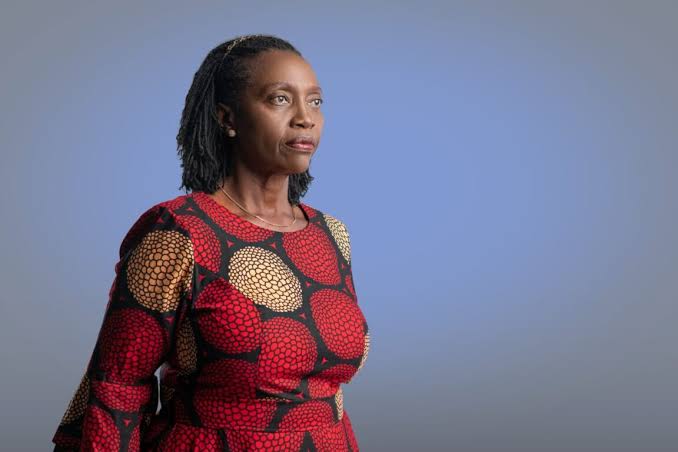
Martha Karua, who was the sole woman present in the field and had previously served as Justice Minister, based her campaign entirely on the implementation of the constitution, the rule of law and opposition to corruption. She refused to enter into ethnic coalitions and positioned herself as a firm constitutionalist. She obtained 43,881 votes (0.36 per cent).
Paul Muite: Fighting for Justice Beyond the Ballot (Photo Courtesy/: Livenow)
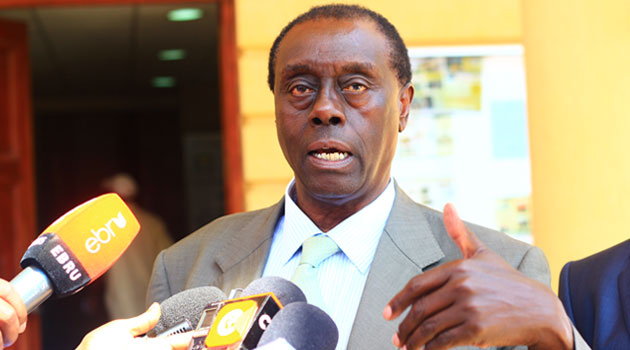
Paul Muite, a seasoned lawyer and one of the leading figures associated with the second liberation, concentrated on land reforms, the protection of human rights and righting past injustices. He later stated that his reason for running was not to win but to demonstrate to younger Kenyans that the presidency was not the preserve of certain families. He secured 12,580 votes, which amounted to 0.10 per cent.
Musalia Mudavadi and the Rise of the Third Force (PHOTO | COURTESY: State Department For Parliamentary Affairs Website )
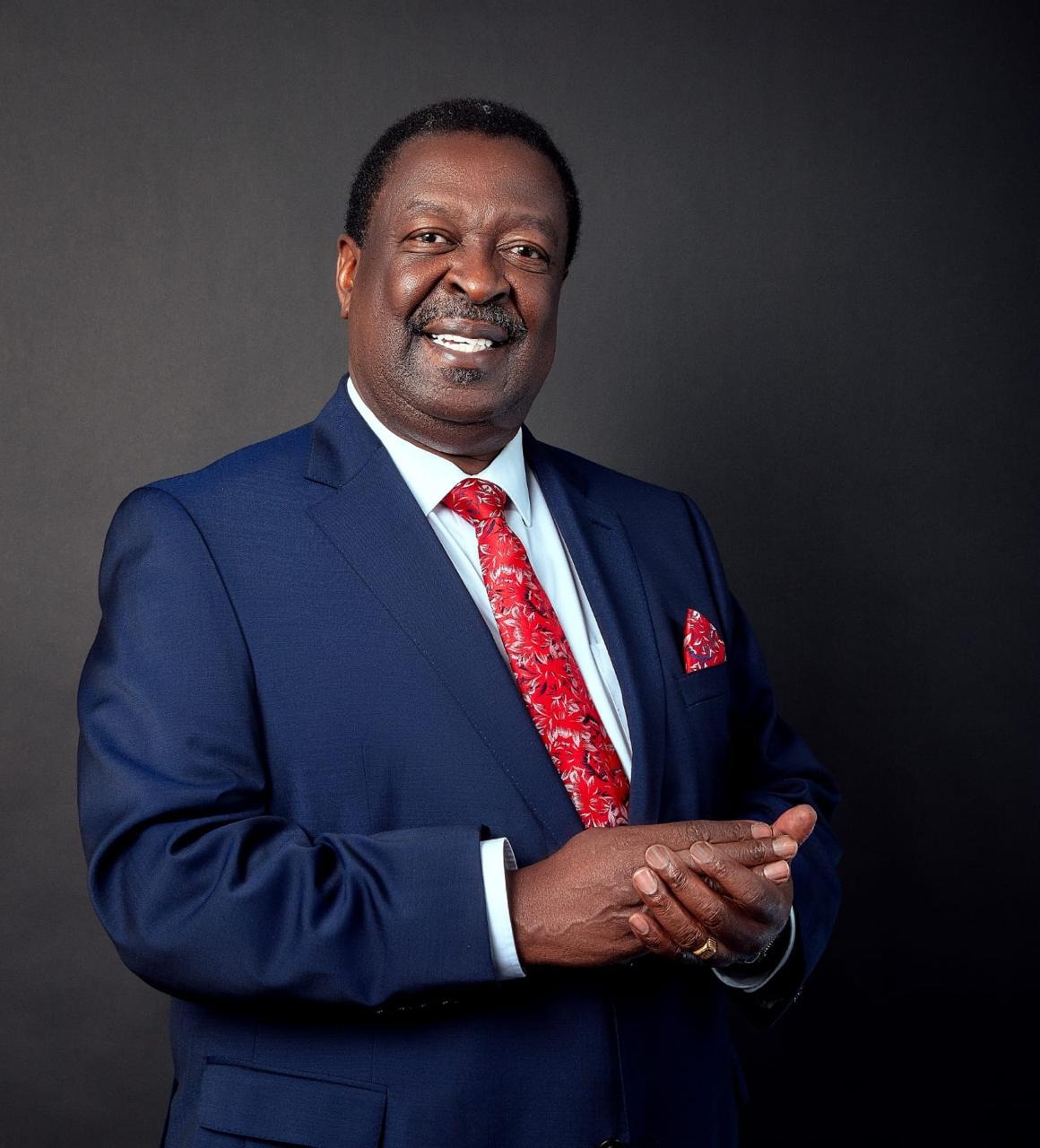
Although he was a prominent insider, Musalia Mudavadi of the Amani Coalition presented himself as a moderate peacekeeper of the 'third force' capable of stabilizing the economy and reducing ethnic tensions and obtained 483,981 votes (3.96 per cent).
The total number of votes received by the non-Jubilee/CORD candidates was greater than the margin with which Uhuru Kenyatta escaped having to face a runoff. Although the donkeys didn't win, they did make a difference.
2017 Elections: Outsiders Against a Polarised Political Contest
In August 2017, eight candidates were approved by the IEBC; the contest between Uhuru Kenyatta and Raila Odinga was extremely polarized, and six of the other candidates including Mohamud Abduba Dida . These Candidates used televised debates, together with limited media appearances, to challenge claims of ethnic discrimination, resource theft, and the high cost of government.
Ekuru Aukot and the Push for a Different Political System (PHOTO | COURTESY: Ekuru Aukot X Account)
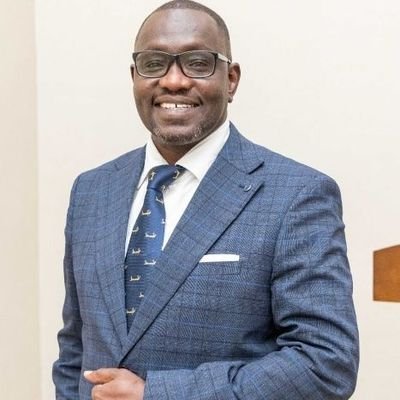
Ekuru Aukot, a constitutional lawyer and a member of the Third way Alliance who had helped draft the 2010 Constitution, focused his efforts on economic and social injustice, opposed negative ethnic remarks, and advocated for devolution. Following the election, he put this energy into the 'Punguza Mizigo' popular initiative, whose aim was to reduce the size and cost of Parliament; the initiative collected more than a million signatures before it came to a halt in the county assemblies. He garnered 27,265 votes a 0.18% of the votes.
Joseph Nyagah: The Cooperative Veteran Championing Agricultural Renewal (PHOTO | COURTESY: Joseph Nyagah LinkedIn Account)
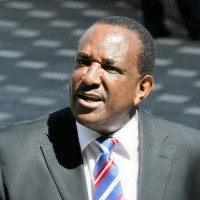
Joseph Nyagah, a seasoned civil servant and an expert in the cooperative movement, stood as an independent candidate promoting a technocratic approach to agricultural cooperatives, food security, and the healing of regional divisions. He garnered 42,032 votes a 0.28% of the votes.
Michael Wainaina Mwaura: The Academic Advocating a Youth-Driven Economy (PHOTO | COURTESY: Michael Wainaina Mwaura LinkedIn Account)

Michael Wainaina Mwaura, a university professor, addressed young voters on issues relating to the youth economy, the creative industries and entrepreneurship.
Japheth Kavinga Kaluyu: The Global Scholar Promoting Merit-Based Leadership (Photo Courtesy /: Japheth Kavinga's Official X)
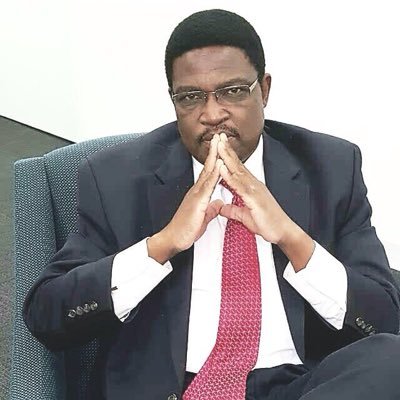
Japheth Kavinga Kaluyu, an academic based in the United States, campaigned on creating jobs through technology and on merit-based governance. He garnered 16,611 votes a 0.11% of the votes.
Cyrus Jirongo: The Political Veteran Seeking a Regional Alternative (Photo Courtesy/: Citizen Digital Website)
.jfif)
Cyrus Jirongo of the United Democratic Party attempted to position himself as a regional alternative, emphasizing devolution and the protection of small enterprises. However, his associations with the establishment in the 1990s prevented him from gaining a strong outsider image.
Together the candidates received over 120,000 votes, the official results showing Uhuru Kenyatta with 54.17 per cent and Raila Odinga with 44.94 per cent, the rest being distributed among the donkeys.
2022 Elections: The Rise of Unconventional Campaigns
In 2022, two alternative candidates were noticeable, but one of them became a cultural phenomenon.
George Wajackoyah: The Candidate Who Turned Politics Into Performance ( Photo Courtesy/: Daily Nation)
.jfif)
George Wajackoyah, a law professor and former street child who is a member of the Roots Party, transformed the campaign into a performance and an act of provocation by suggesting that marijuana should be legalized for medical use and for industrial export to eliminate the nation's debt, by promoting commercial snake farming for the purpose of obtaining therapeutic venom, and by exporting dog meat and hyena testes to East Asian markets.
He also suggested a four-day working week and the temporary suspension of certain parts of the Constitution. Rallies were frequently held in nightclubs featuring reggae music and durags. Young voters in the cities saw him as both entertainment and a form of protest. He ended up with 61,051 votes (0.44 per cent).
David Mwaure Waihiga: A Moral Alternative on the Ballot (Photo Courtesy/: David Mwaure Waihiga LinkedIn Account)
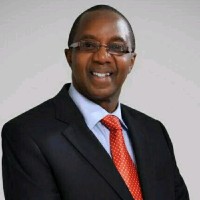
David Mwaure Waihiga, a minister who has been ordained and a lawyer representing the Agano Party, put forward a more restrained moral proposal. He committed to cancelling corrupt public debts and contracts, returning the trillions which had been stolen and placed in offshore havens, providing fully free primary and secondary education, and reducing income tax by fifty per cent. He obtained 31,880 votes (0.23 per cent).
The results finally showed the usual consolidation, with William Ruto receiving 50.49 per cent and Raila Odinga 48.85 per cent.
Why Fringe Candidates Struggle in Kenya's Presidential Politics
The structural difficulties are still severe. Outside candidates work with almost no party funds, receive only limited media exposure, and are subjected to journalistic scrutiny which favors those who are prominent. While oddities may secure some broadcast time, there is little ongoing examination of their views. Nevertheless, their importance is not to be judged solely by the number of votes they get.
They help to extend the range of political discussion that is considered acceptable. They provide disenchanted citizens with a means of casting their protest votes. In close elections, they can influence whether a runoff is needed. And they maintain the notion that leadership does not have to be the exclusive possession of a small number of ethnic bosses or of people who have been in power for a long time.
As the country approaches the 2027 election, new donkey candidates will certainly emerge. A few of them will be flashy and well aware of the media, while others will be quiet technocrats or moral campaigners. Their manifestos might seem unrealistic, their funds limited, and their vote totals small.
The Hidden Influence of Candidates Who Do Not Win
Yet the tradition they stand for—resilience in the face of odds, the introduction of unorthodox ideas, and the persistent expansion of democratic space—has already lasted longer than several political generations. In a political system which is still largely determined by ethnicity and money, the donkey remains an important, although frequently ignored, element of the election.
For deeper insights into their role and relevance, Dr. Michael Ndonye, a political analyst and Dean School of Music and Media at Kabarak University, explores their impact in the Political Oracle segment of the TalkChat Podcast.
If you can provide any information that should be included, or if you have noticed that certain data has been modified or presented incorrectly, please share it with us at [email protected].

-1785484486-md.jpg)
-1785398323-md.jpg)


-1785484486-sm.jpg)
-1785398323-sm.jpg)