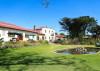

- The school is divided into three main sections: the Prep School, catering to younger learners; the Senior School, where students pursue IGCSEs; and the Sixth Form College, which prepares students for A-Level examinations and eventual entry into top universities worldwide. This structure mirrors the British education system, making Turi a gateway for students aiming to study abroad.
You may have heard or seen a clip circulating on social media in the last two years pointing to a school that supposedly gave parents a polite notice directing them where to park their aeroplanes and provide a special hardcopy list of what their children would like to be served as food.
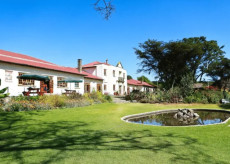
Although the authenticity of those claims cannot be verified, and they were clearly satirically exaggerated, the school at the center of the joke is very real: St. Andrew’s Turi, located in the tranquil highlands of Molo, Nakuru County.
The viral anecdote, with its tongue-in-cheek reference to “parking choppers on the eastern side,” captured the imagination of Kenyans. It painted a picture of a school so elite that helicopter traffic needed to be managed like cars in a parking lot.
The second part of the satire, parents being asked to submit menus for their children’s meals, added another layer of humor, poking fun at the perception of privilege and indulgence. Yet behind the jokes lies a school that has, for nearly a century, stood as one of the most prestigious centers of learning in East Africa.
A Legacy Rooted in History
Read More
Founded in 1931 by missionaries Jean and Peter Lavers, St. Andrew’s Turi began as a small institution with a vision to provide quality education grounded in Christian values. Over the decades, it has grown into a sprawling 450-acre campus that now accommodates more than 600 students from Kenya and across the region.
Its ethos remains firmly anchored in faith, character development, and academic excellence, even as its facilities and reputation have expanded to global standards.
The school is divided into three main sections: the Prep School, catering to younger learners; the Senior School, where students pursue International General Certificate of Secondary Education (IGCSEs); and the Sixth Form College, which prepares students for A-Level examinations and eventual entry into top universities worldwide. This structure mirrors the British education system, making Turi a gateway for students aiming to study abroad.
Facilities That Fuel the Satire
The satire about helicopter parking is not entirely baseless. St. Andrew’s Turi does indeed have a private airstrip, a rarity among schools in Kenya. While not every parent arrives by helicopter, the fact that some do has fueled the perception of Turi as a school for the ultra-wealthy. The campus itself is a blend of modernity and nature: classrooms equipped with cutting-edge technology, expansive sports fields, equestrian facilities, forest trails, and even a reservoir.
These facilities are not just for show. They form part of a holistic education model that emphasizes academics, sports, arts, and outdoor exploration. Students can be found rehearsing in the drama hall, training on rugby pitches, swimming in Olympic-standard pools, or riding horses in the paddocks. The environment is designed to nurture well-rounded individuals who excel not only in academics but also in character and creativity.
The Cost of Prestige
Prestige, however, comes at a price. St. Andrew’s Turi is among the most expensive schools in Kenya, with annual fees ranging from KES 1.5 million to over KES 3 million, depending on the year group and boarding arrangements. This places it firmly in the league of elite institutions such as Brookhouse, Peponi, and Hillcrest. For many families, the fees are prohibitive, but for those who can afford them, Turi offers a blend of exclusivity and excellence that few schools can match.
The high cost has contributed to the school’s image as a place for Kenya’s elite, further fueling satirical narratives. Yet for parents who choose Turi, the investment is seen as worthwhile, given the school’s track record of producing graduates who secure places at prestigious universities in the UK, US, and beyond.
Alumni Who Shape Society
The school’s alumni list reads like a who’s who of Kenyan society. Among its most notable graduates is Margaret Gakuo Kenyatta, former First Lady of Kenya, who has been celebrated for her philanthropic work and advocacy in health and education. Other alumni include politicians, athletes, and professionals who have made significant contributions both locally and internationally.
This legacy of leadership underscores the school’s role not just as an educational institution but as a formative ground for future leaders. It is this reputation that continues to attract families who want their children to be part of a tradition of excellence.
Satire as Social Commentary
The viral jokes about helicopter parking and customized menus are more than just humor; they are a form of social commentary. They reflect broader societal perceptions about wealth, privilege, and education in Kenya. In a country where access to quality education remains uneven, schools like Turi stand out as symbols of aspiration and exclusivity.
Satire, in this context, becomes a way for the public to grapple with the stark contrasts between elite institutions and the realities faced by ordinary families. It highlights the fascination — and sometimes frustration — with the lifestyles of those who can afford such schools. Yet it also underscores the respect and admiration for institutions that consistently deliver excellence.
Beyond the Meme
Behind the memes and jokes lies a serious institution that has shaped generations. St. Andrew’s Turi is not just about helicopter landings or extravagant menus; it is about nurturing students to become responsible, capable, and compassionate leaders. Its Christian ethos ensures that values remain at the core of its education, while its facilities and curriculum prepare students for the global stage.
The school’s story is one of balance: between tradition and modernity, faith and academics, exclusivity and community. It is this balance that has allowed Turi to remain relevant and respected for nearly a century.
St. Andrew’s Turi may be the subject of viral satire, but its reality is far more compelling. Yes, it has an airstrip. Yes, its fees are high. And yes, its reputation attracts jokes about privilege. But beyond the humor lies a school that has consistently delivered excellence, shaped leaders, and stood as a beacon of international education in Kenya.
In the end, the satire only adds to its mystique, reminding us that sometimes the line between reality and exaggeration is thin — and that behind every joke lies a story worth telling.
Other equivalent schools in Kenya
When it comes to elite international schools in Kenya, St. Andrew’s Turi occupies a unique space. Its fees, ranging between KES 1.1 million and 3 million annually, places it firmly among the country’s most expensive schools, though slightly below the highest tiers charged by Nairobi’s Peponi and Brookhouse. Turi’s reputation is built on tradition, discipline, and a holistic education that blends academics with character formation, sports, and outdoor life.
Brookhouse School

By contrast, Brookhouse School, with campuses in Karen and Runda, is perhaps the most cosmopolitan of the group. It not only offers the British curriculum but also the International Baccalaureate (IB), giving students more flexibility for global university entry. Its fees can climb to KES 3.5 million, reflecting its international stature and diverse student body.
Peponi School

Peponi School, located in Lower Kabete, is widely regarded as one of Nairobi’s most exclusive institutions. With fees often exceeding KES 3 million, it attracts families seeking tradition and prestige. Its strong alumni networks and reputation for academic excellence make it a top choice for Nairobi’s elite.
Hillcrest International School

Meanwhile, Hillcrest International School, also in Karen, offers the British curriculum alongside BTEC programs, appealing to students interested in vocational pathways. Its fees, ranging from KES 1.3 million to 3.1 million, are comparable to Turi’s, but its reputation leans more toward holistic education and supportive community rather than exclusivity.
Taken together, these schools represent the pinnacle of private education in Kenya. St. Andrew’s Turi stands out for its rural setting and faith-based ethos, Brookhouse for its global outlook, Peponi for its exclusivity, and Hillcrest for its balanced, nurturing approach.
Behind every joke lies a story. What’s your perspective on Turi and Kenya’s elite schools?
Stay connected with us on WhatsApp and Facebook for instant updates and breaking news as it happens.