- Volunteering in Kenya is not glamorous. It is walking miles under the sun to deliver medicine. It is staying awake through the night to comfort displaced families. It is giving without expecting anything in return. And yet, it is this very spirit that sustains communities when systems falter.
In today’s world, where everyone seems to be chasing deadlines, ambitions, and survival, it is rare to find people who pause long enough to give of themselves freely. Yet, scattered across communities, there exists a quiet force, volunteers who step forward not for recognition, but for humanity.
The United Nations (UN) Secretary‑General António Guterres has reminded the world: “In an era of political division and social isolation, volunteering offers a powerful way to forge connections and foster our shared humanity.”
On this International Volunteer Day, he has honoured the millions who choose service over self, declaring them the first responders to the world’s mounting challenges.
International Volunteer Day (IVD), established by the UN General Assembly in 1985, is more than a date on the calendar. It is a call to celebrate the power of volunteerism, the unseen hands that rebuild homes after floods, the voices that comfort families in drought, and the courage that carries hope into conflict zones.
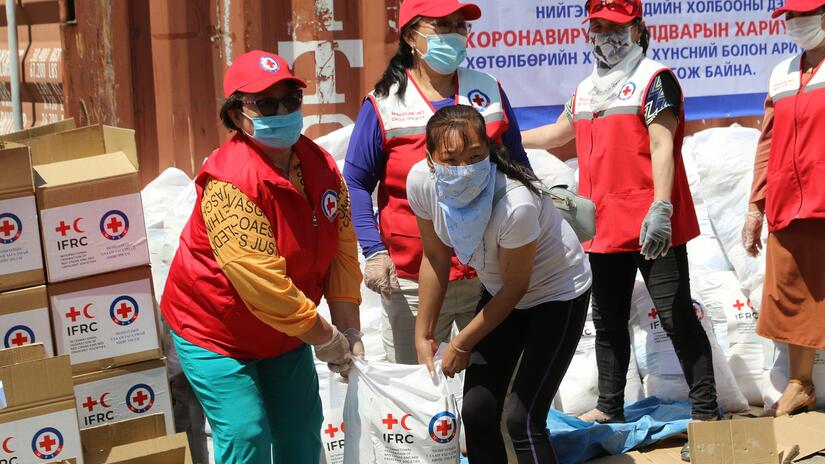
In Kenya, this spirit finds its heartbeat in the Kenya Red Cross Society (KRCS). For decades, KRCS has been the bridge between crisis and recovery, mobilizing ordinary citizens into extraordinary acts of service. Their volunteers are not just helpers; they are lifelines.
Read More
When floods sweep through villages or fires engulf homes, KRCS volunteers are often the first on the scene. They carry stretchers, offer first aid, and guide families to safety. In moments of chaos, they become the calm.
In health, their role is equally vital. From organizing blood donation drives to spreading awareness about maternal health, volunteers extend the reach of Kenya’s healthcare system into places where hospitals are miles away. They are the ones who knock on doors, check on the sick, and remind communities that care is not a privilege but a right.
In drought‑stricken counties, volunteers distribute food aid and set up clean water systems. They teach hygiene practices that save lives, proving that dignity begins with something as simple as a glass of clean water.
Beyond emergencies, KRCS volunteers engage in long‑term recovery — planting trees after climate disasters, rebuilding schools after conflict, and stitching together the social fabric torn by tragedy. Their work is not just about survival; it is about restoring hope.
Volunteering in Kenya is not glamorous. It is walking miles under the sun to deliver medicine. It is staying awake through the night to comfort displaced families. It is giving without expecting anything in return. And yet, it is this very spirit that sustains communities when systems falter.
The International Volunteer Day 2025 reminds of a timeless truth: humanity is strongest when ordinary people choose to do extraordinary things.
Stay connected with us on WhatsApp and Instagram for instant updates and breaking news as it happens.