William
Ruto is arguably one of the strongest presidential candidates Kenya has seen
since independence. His political journey demonstrates resilience and tactical
brilliance. However, even entrenched leaders with immense power can be undone
when voter fatigue sets in, and new generations mobilise for change.
Michael Ndonye
Pollsters consistently predicted Orbán’s victory, convinced that his grip on institutions, resources, and nationalist rhetoric made him unbeatable.
Yet, against all odds, Medgyessy and the Hungarian Socialist Party, allied with the Free Democrats, shocked the world.
With a record turnout of 73%, especially among younger and urban voters, Orbán was swept aside. His defeat revealed a critical truth: even entrenched leaders with immense power can be undone when voter fatigue sets in, and new generations mobilise for change.
Read More
Leaders who fail to adapt during times of generational shifts, as is currently the case in Kenya, risk becoming the “option to vote out,” regardless of their past victories.
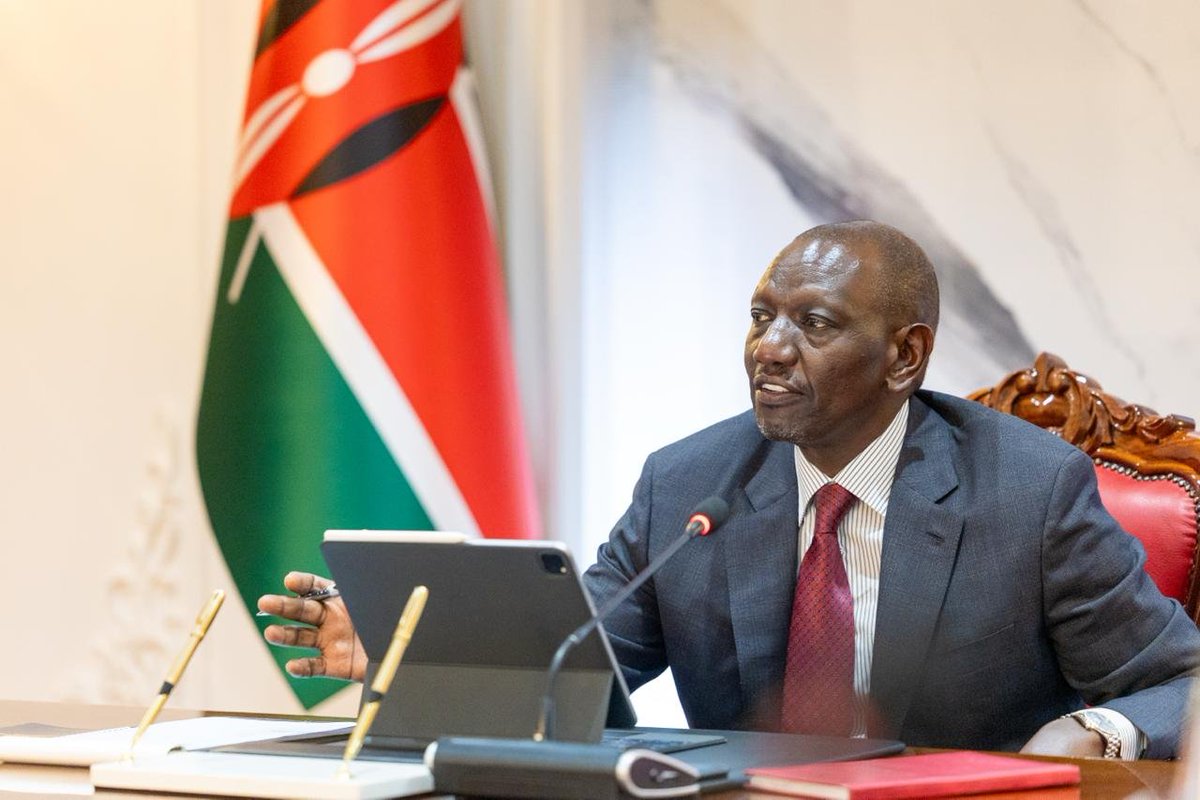
William Ruto is arguably one of the strongest presidential candidates Kenya has seen since independence. His political journey demonstrates resilience and tactical brilliance. He is the first president to defeat the so called dynasties, proving that power in Kenya is not hereditary.
Ruto tested his political muscle as early as 2010, when he rallied his Rift Valley base to reject the proposed constitution. He was not contesting for office then; he was testing his influence. The Rift Valley voted overwhelmingly “No,” with about 66.5% rejecting the draft — the only province to do so — largely due to his leadership. That referendum was his political microphone test, and it confirmed his status as the Rift Valley kingpin.
From there, he became a kingmaker, twice helping Uhuru Kenyatta ascend to the presidency.
In 2022, he defied the odds by running against his boss’s preferred candidate, backed by state machinery, and still won. This cemented his reputation as a formidable political operator.
Yet, Ruto’s presidency coincides with a generational shift in Kenya’s political behaviour. Millennials and Gen Z — who make up over 80% of the electorate — are more informed, digitally connected, and less tolerant of the old order of politicking.
They are not easily swayed by traditional ethnic or patronage politics. In 2024, Kenya’s youth-led protests against the Finance Bill distanced themselves from the late Raila Odinga, once the symbol of resistance. Gen Z saw him as part of the establishment, proving how generational waves can reject even legendary figures.
Note that generational waves often reject the old order, not necessarily because of policy, but because of symbolism.
If the old order holds, Ruto stands a strong chance in 2027. But if Millennials and Gen Z decide to vote him out, they can easily do so by electing anything else under the sun. In such a scenario, they may not care who the alternative candidate is — their goal would simply be to remove him.
That is how countries sometimes produce “random presidents,” as happened in 2002 when Mwai Kibaki was unexpectedly propelled to power by a united opposition.
The lesson for Ruto is clear: he must work tirelessly in the months leading to Tuesday, 10 August 2027, to ensure Kenyans see him as one of two viable options, not merely the incumbent to be voted out.
If he fails to frame the election as a choice, he risks becoming the option Kenyans reject.
Dr Ndonye is a Political Analyst and Governance Strategist