-1784288382.jpg)
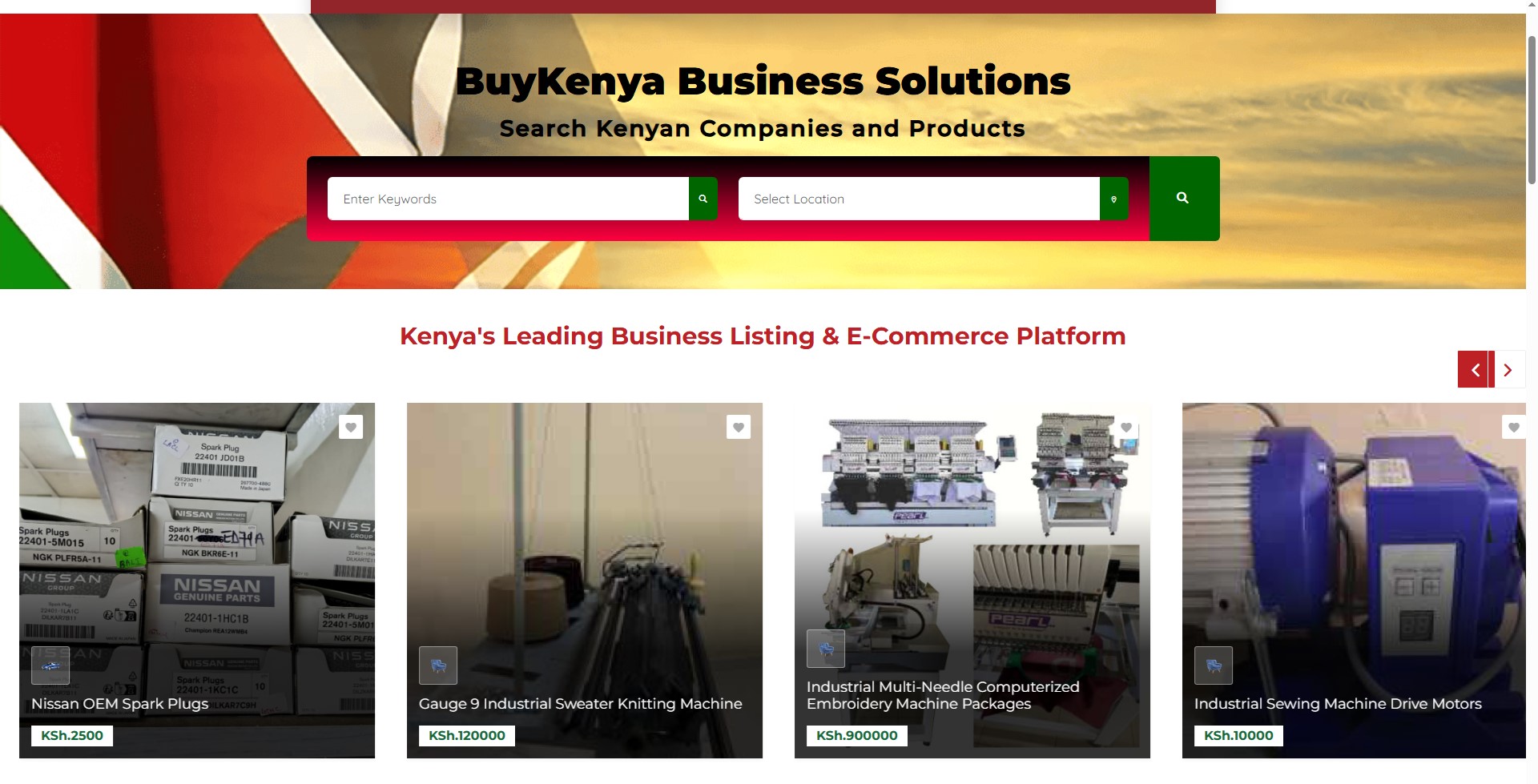
BuyKenya’s multi-platform approach tackles the core visibility barrier facing Kenyan MSMEs by integrating listings, transactions, intelligence, and skills development. This comprehensive strategy offers a promising pathway from anonymity to sustainable market participation—if executed with focus and inclusion.
BuyKenya’s multi-platform approach to solving the visibility challenge facing Kenyan micro, small and medium enterprises (MSMEs) is a timely intervention because it treats visibility as a central barrier to growth. For many entrepreneurs, the obstacle is not a lack of ambition or ideas, but the simple reality of being unseen by buyers, investors, and partners who could help transform potential into scale.
A directory alone can provide a business address, a marketplace can facilitate transactions, and a training portal can equip workers with relevant competencies. However, the real value comes from aligning these capabilities into a coherent pathway from anonymity to sustained market participation.
The Risks of Fragmented Solutions and the Power of Integration
A platform that only lists businesses risks becoming a digital filing cabinet. One that only hosts transactions risks becoming a sterile exchange without sufficient supply-side depth, while one that only offers training risks producing certificates without clear market linkages.
Bringing these elements together could reduce friction in multiple areas by:
- Lowering search costs for buyers
- Giving vendors a ready-made storefront
- Informing strategic decisions through accessible data
- Improving the connection between employer needs and workforce skills.
This integrated approach recognizes that visibility is not a single action but a process supported by demand, capability, trust, and information.
Execution Will Determine Success: Turning Ambition into Sustainable Impact
The promise of such an ecosystem will ultimately depend on execution. Building four distinct but interconnected products simultaneously is ambitious, and the difference between an ambitious idea and a sustainable institution will be determined by how effectively the team translates design into adoption.
Building Credible Listings That Actually Deliver
Creating credible listings requires more than allowing businesses to create profiles. It requires verification, curation, quality control, and active buyer engagement to ensure listings generate real opportunities.
What It Really Takes to Run a Trusted Marketplace
Running a marketplace requires more than order processing and payment systems. It requires logistics, dispute resolution mechanisms, customer support, and trust signals that give buyers confidence when transacting.
The True Value of Market Intelligence and Training
Market intelligence is valuable only when data is accurate, timely, and presented at a level that different users can understand and act upon. Similarly, training outcomes depend on whether employers recognize the skills developed and whether learners can access employment or revenue-generating opportunities.
Each of these components carries operational complexity and requires significant resources. The risk is that attempting to develop all four simultaneously could spread attention too thin unless there is clear prioritization and a continuous learning process that links user feedback to product improvement.
Sustainability and Market Incentives: The Real Test Beyond Launch
Beyond product execution, the platform model raises important questions about sustainability and market incentives.
A business listing becomes genuinely valuable only when a critical mass of buyers regularly uses the platform as a trusted discovery channel. Achieving this requires attracting demand alongside supply.
Monetization strategies will need to be carefully designed so they do not exclude the informal and smaller enterprises the platform aims to support, while still generating enough revenue to maintain verification, quality assurance, and customer support.
The Power and Pitfalls of Strategic Partnerships
Partnerships will also be important. Government agencies, chambers of commerce, county administrations, and development partners can help expand reach and strengthen credibility. However, these relationships must be managed carefully to avoid excessive dependence.
If BuyKenya positions itself as neutral infrastructure that complements existing trade promotion and local commerce networks, it will have a stronger chance of becoming embedded in everyday business practices.
Conversely, if it becomes overly transactional or narrowly commercialized, it may struggle to build trust among smaller enterprises operating on limited margins and relying heavily on affordable, high-trust relationships.
Bridging the Digital Divide for True MSME Inclusion
Another important consideration is the digital divide. Visibility solutions that rely only on web-based platforms and paid subscription models risk favoring businesses with stronger connectivity and digital skills, leaving behind the smaller enterprises that may need support the most.
Active outreach, low-data design, offline onboarding, and partnerships with local organizations could help reduce this gap and ensure broader inclusion.
Market Intelligence as a Long-Term Differentiator
The market intelligence component of BuyKenya, if effectively implemented, could become a significant long-term advantage.
Many small businesses lack access to contextualized information that can support basic strategic decisions, such as where to source inputs, which markets to target, or how to price products competitively.
Making such information more accessible could improve decision-making at the business level while also providing valuable insights for investors and policymakers seeking to design effective economic interventions.
However, producing credible research requires methodological rigor and independence. Market intelligence that appears promotional rather than analytical risks losing credibility among serious businesses and institutional partners.
Pricing and distribution will also matter. Providing basic insights openly while developing deeper research products for organizations seeking specialized analysis could help balance public value with financial sustainability.
Strong Leadership Foundation

A strong leadership foundation will be important in translating this vision into a functioning ecosystem.
Mr Daniel Juma Omondi, co-founder and Chairman of BuyKenya, brings experience in trade promotion and investment facilitation, areas closely connected to the platform’s goal of improving business linkages and expanding market access.
Leadership that combines practical business experience with an understanding of entrepreneurial challenges can provide a valuable foundation for developing solutions that respond to real market needs.
Ultimately, however, the platform’s success will depend on how effectively its leadership converts this vision into measurable value for MSMEs.
Reducing Transaction Costs for Inclusive Growth
Platforms like BuyKenya are about reducing the transaction costs that limit economic inclusion.
Visibility is not merely a marketing challenge. It is an infrastructure gap that affects market access, employment opportunities, and the ability of businesses to participate in regional and global value chains.
A credible and widely adopted discovery platform can strengthen business relationships and create more sustainable opportunities for entrepreneurs operating on the margins of the economy.
The opportunity is significant, but long-term success will depend on execution, trust, adoption, and the ability to deliver consistent value to the businesses it seeks to empower.
What are your thoughts on this perspective and the future of platforms like BuyKenya in supporting MSME growth?
How to Join the BUYKENYA Platform
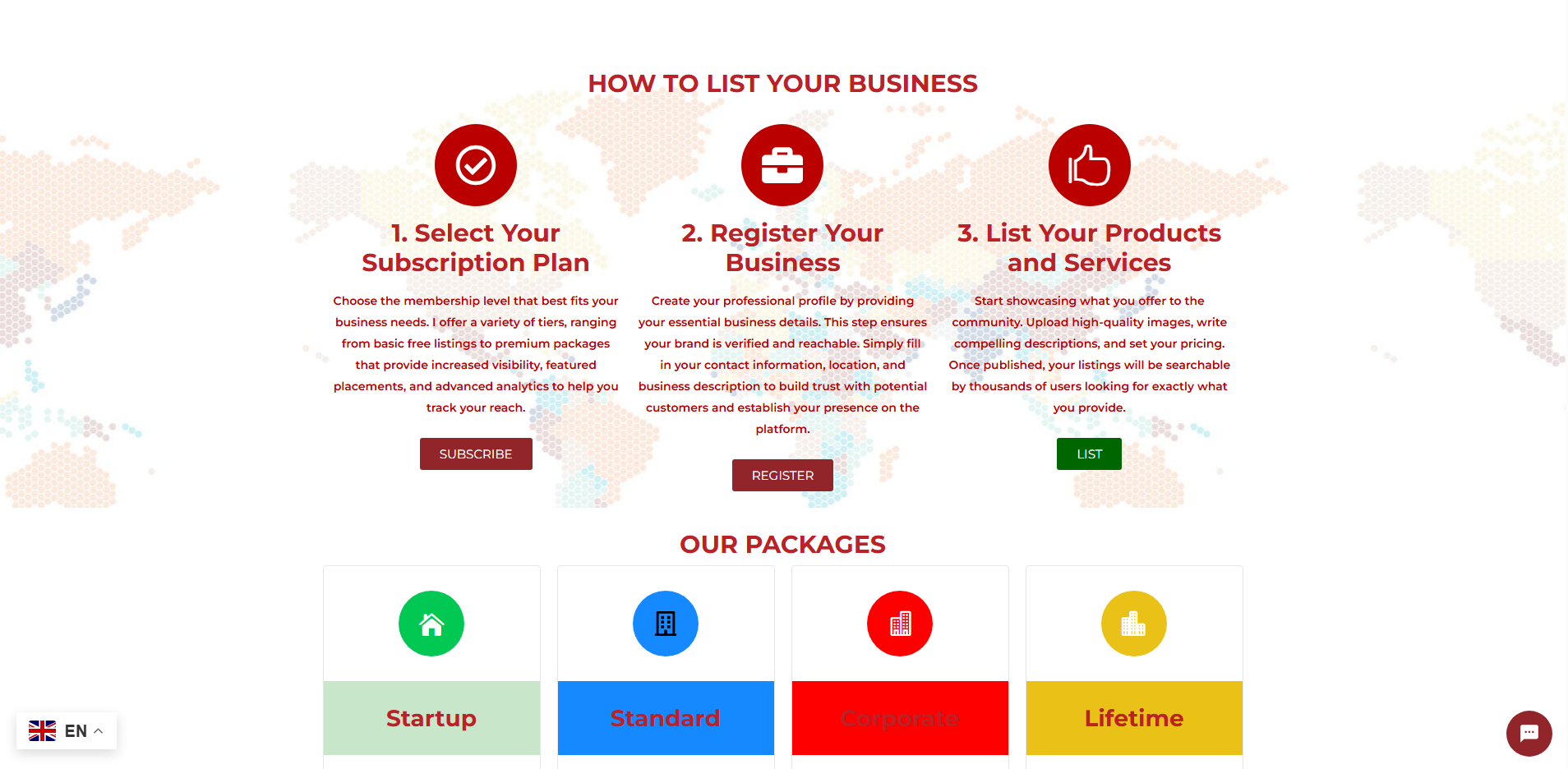
Joining the BUYKENYA platform is simple. Businesses first select a subscription plan, then register by providing their business details, and finally list their products and services. This process increases visibility, builds credibility, and connects businesses with more customers and market opportunities.
Share your opinions at [email protected], or join the conversation on LinkedIn, Facebook, and X (Twitter). We welcome insights from entrepreneurs, policymakers, funders, and industry stakeholders.