
- Nakuru is developing a sustainable urban mobility plan to anticipate population growth. The plan envisions decentralized hubs where residents can live and work without crowding the city center.
Nakuru City Manager Gitau Thabanja believes Nakuru is on the cusp of becoming a true 24‑hour economy. He affirms that the city is evolving into a safer, more vibrant hub where businesses and services can operate continuously, day and night.
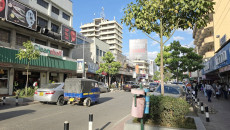
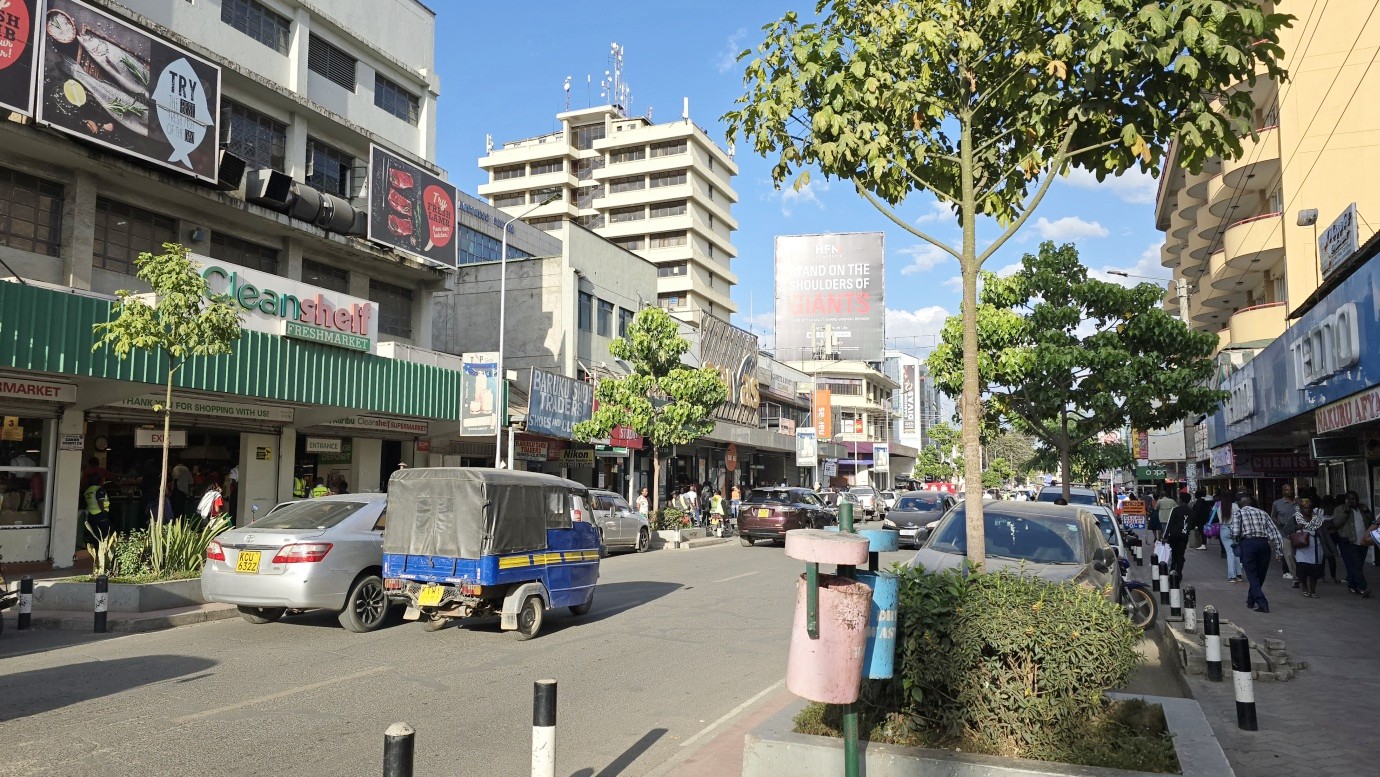
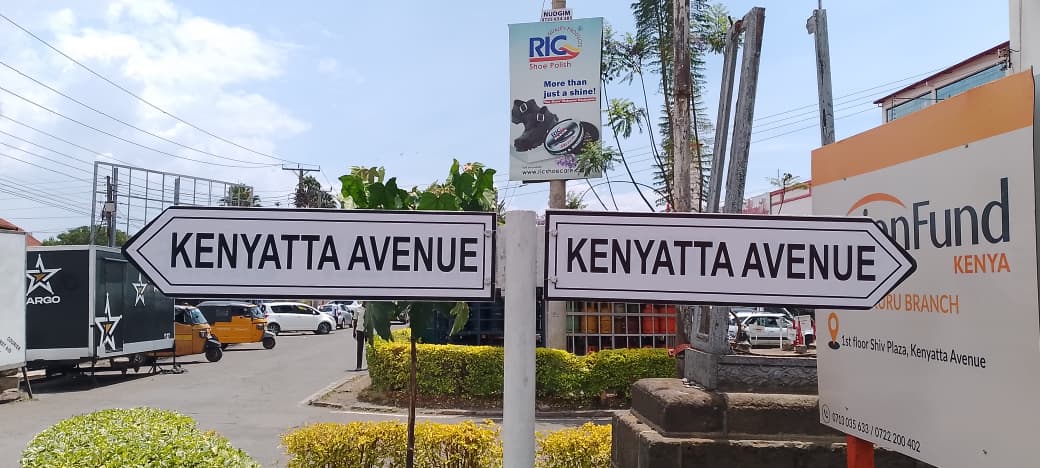
“If you walk through Nakuru at night today, you’ll find pockets of the city alive with 24‑hour activity—from Kenyatta Avenue and Pipeline to KANU Street, Everready, and KFA. Just a few years ago, this kind of round‑the‑clock vibrancy simply didn’t exist,” he said during a recent media briefing.
For decades, insecurity defined Nakuru’s nights. Urban crime surged in the late 1990s and early 2000s as industrial decline fueled unemployment. The notorious Confirm Gang gained prominence through mobile money fraud and violent robberies, and by 2022, they were linked to a series of bizarre killings. Informal settlements such as Kivumbini, Bondeni, Kaptembwa, and Kwa Rhoda became operational bases for gangs.
Read More
Thabanja insists that Nakuru has moved beyond this history. “Yes, Nakuru once had serious insecurity challenges, but today the city is safer. People may still think it’s insecure, but that belief is outdated,” he noted.
He credits the national government and local security agencies for holding regular meetings to address insecurity cases, creating a structured response system.
“Security agencies are visibly present across Nakuru, with enforcement officers deployed to patrol and safeguard the city. Their presence has created confidence, allowing everyday life to flourish—tea vendors serve customers along the streets at night, bodabodas operate round the clock, and even bicycles keep moving after dark,” he said.
Nakuru’s strategic location as a transit city makes safety even more critical. Sitting at the crossroads of major highways—including the A104 Northern Corridor, Nakuru–Nyahururu Road, Nakuru–Njoro Road, B1 Road to Kisumu, and Dundori Road—the city connects Nairobi, Eldoret, Central Kenya, and the wider East African region.
“Nakuru’s strategic position as a transit hub makes safety critical, and with improved security, people can travel confidently. This creates opportunities for business, and by addressing challenges together, we can build a better city,” Thabanja added.
Infrastructure is central to this transformation. He welcomes the dualling of Odinga Oginga Street as a solution to chronic traffic jams.
“Nakuru faces unique geographical constraints—Menengai Forest lies to the north, while the park and lake border the south making the construction of bypasses a challenge. That is why the limited space available must be used strategically to improve mobility and ease congestion within the city,” he explained.
Looking ahead, Nakuru is developing a sustainable urban mobility plan to anticipate population growth. The plan envisions decentralized hubs where residents can live and work without crowding the city center.
“We want different nodes within the city to be self‑sustaining and independent—Barnabas is a good example, with banks, supermarkets, and companies already established there. It shows that residents can live and work in Barnabas without needing to come into town, which in turn helps reduce congestion in the city center,” he said.
The City Board is also investing heavily in fixing potholes and recarpeting roads. Thabanja notes that some potholes are caused by local practices like car washes draining water onto roads, but insists that once repairs are complete, Nakuru will see a total transformation.
“We have agreed as the City Board to form a unit within the board that can address those issues as they come,” he added.
Beyond infrastructure, Thabanja highlights social challenges. The rising number of street children reflects both the city’s growth and underlying poverty.
He says the city plans to collect data on street families, reunite those with homes, and provide training and soft skills to help others earn a livelihood.
He proposes temporary homes where they can be fed before reintegration, stressing that “an ideal city is not where you have street families lingering in public spaces, but where everyone can go about their business without fear.”
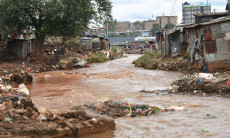
To boost safety and business activity, more street lighting will be installed, while drainage and unclogging projects are being prioritized to prevent flooding.
He appreciates residents who voluntarily contribute to clean‑up efforts and urges neighborhoods to take responsibility for keeping their areas unclogged. “If we have clean‑up exercises monthly, when it rains, the drainages won’t be clogged,” he said.
Stay connected with us on WhatsApp and Facebook for instant updates and breaking news as it happens.