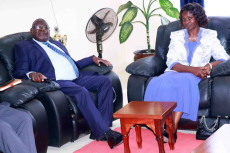
- When leaders engage citizens directly, reforms become real. Listening builds trust. It ensures that health programs reflect lived realities, not assumptions. And when communities feel heard, they participate. They protect what they helped shape.
On March 5, 2026, the Principal Secretary (PS) for Public Health and Professional Standards Mary Muthoni delivered a clear and timely message during a television interview: Kenya’s public health reforms will only succeed if citizens and government walk the journey together.
Her remarks on Inooro TV’s Ruciini Show highlighted that access to healthcare must expand, but so must Kenyans’ collective commitment to prevention, participation, and accountability.

Muthoni spotlighted the expansion of Community Health Services as a deliberate move to bring care closer to households. Community health promoters are frontline agents of change. They detect diseases early, educate families, and refer cases before they escalate. They reduce costs for families and ease pressure on hospitals. This is how Kenya builds a resilient health system—from the ground up.
Read More
Distance and poverty still block access for many. Strengthening grassroots systems breaks those barriers. It builds trust. It shifts the culture from crisis response to prevention. Immunization, maternal health, nutrition education, and screenings for non-communicable diseases save lives—and money. But they only work when communities are engaged.
That’s where the Jamii Imara Mashinani Initiative comes in. Muthoni emphasized its role in bridging the gap between policy and people.
“The Jamii Imara Mashinani Initiative, which provides a platform for government leaders to directly engage with citizens on development priorities and ensure that government programs address the felt needs of communities,” she noted.
When leaders engage citizens directly, reforms become real. Listening builds trust. It ensures that health programs reflect lived realities, not assumptions. And when communities feel heard, they participate. They protect what they helped shape.
But government alone cannot carry this burden. Muthoni noted that lifestyle diseases—hypertension, diabetes, certain cancers are rising.
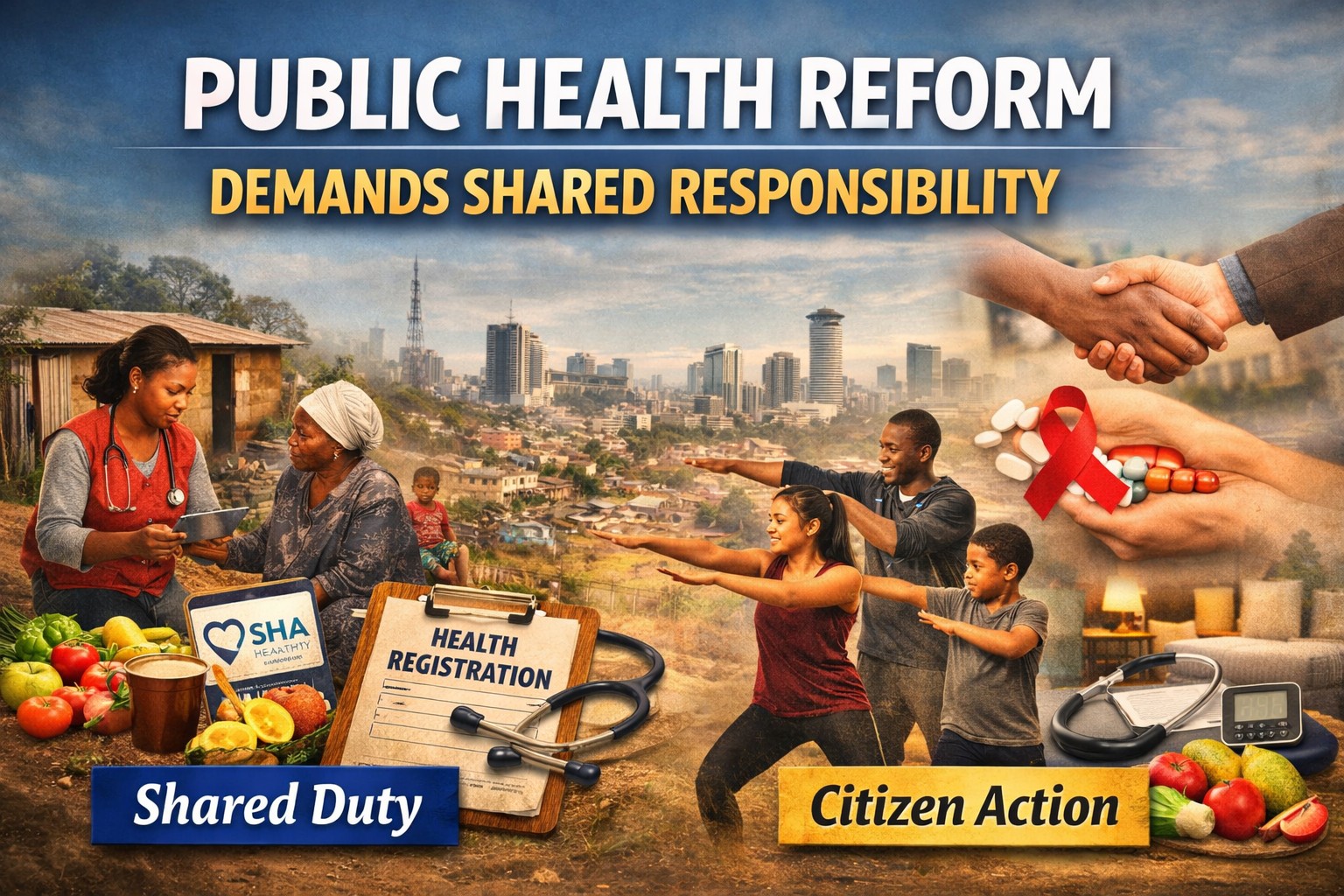
Many are preventable. Balanced diets, regular exercise, avoiding substance abuse, and seeking medical advice instead of self-prescribing are not luxuries. They are civic duties. Public health begins at home.
Equally vital is registration with the Social Health Authority. Universal Health Coverage (UHC) depends on it. By enrolling, Kenyans unlock affordable, quality care and shield themselves from financial ruin. A strong registration base makes the system sustainable. It ensures no one is left behind.
Kenya’s health reforms are moving. Community systems are expanding. Financing models are evolving. But for this transformation to last, citizens must step up. Prevention must become habit. Engagement must become culture. And health must become everyone’s business.
Only then will Kenya build a public health system that doesn’t just treat illness—but actively promotes well-being.
Stay connected with us on WhatsApp and Facebook for instant updates and breaking news as it happens.