
- The naming of national landmarks, such as the newly constructed Talanta Stadium, has sparked a recurring debate: should we continue to name public venues after prominent political figures?
Kenyans continue to debate the naming of national landmarks—especially when it comes to public venues like the new Talanta Stadium.
Many advocate naming it after the late Raila Odinga to honour his legacy, but this conversation reveals a deeper issue: the politicization of public space.
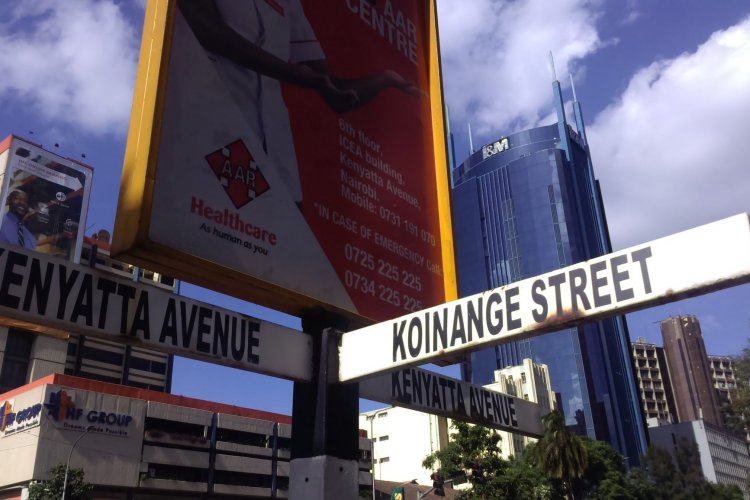
Kenya’s tradition of naming streets and public places began long before independence. During the colonial era, British royals dominated the naming landscape, especially after the Duke of Connaught’s historic visit.
Post-independence, naming became a tool to honour national heroes—figures like Jomo Kenyatta, Tom Mboya, and Dedan Kimathi. Renaming these spaces symbolized a shift from colonial nostalgia to Kenyan identity, reclaiming land and history through African names.
But times are changing. As Kenya invests in modern infrastructure, it must rethink how it names public spaces. To foster unity and focus on the future, the country should move away from individual names and embrace titles that reflect collective identity and aspiration.
Read More
Naming venues after politicians risks turning public infrastructure into a scoreboard for competing legacies. When decisions become a zero-sum game between heroes, they breed division. Neutral names help prevent the “my hero versus your hero” tribalism that often accompanies these debates.
“Talanta” shifts focus to the venue’s purpose—nurturing talent. It inspires young athletes to think about their own potential rather than political battles of the past. History belongs in museums and textbooks. Living spaces like stadiums, parks, and airports should reflect future ambitions.
Inclusivity also matters. Public venues are built with taxpayers’ money and represent the labour of every citizen. Naming a stadium after an individual subtly shifts ownership toward a personal legacy. Names like “Kasarani” feel more inclusive—they belong to the nation.
The Government of Kenya has already embraced this approach. The redesign of Kenyan banknotes moved away from portraits of individuals to images celebrating Kenya’s industrial, agricultural, and social heritage.
A hero in one era may be viewed differently in the next. Naming permanent, multi-billion-shilling structures after individuals ties national identity to a single reputation. If that reputation is later questioned, the country faces the costly and divisive task of renaming.
Aspirational names like “National Arena” are timeless. They remain immune to shifting political tides. The naming of Talanta Stadium presents an opportunity to break with stale tradition. Choosing neutral, aspirational, or geographical names ensures public spaces remain truly public—unburdened by political debt and open to the dreams of every Kenyan.
If Kenya genuinely wishes to honour legends like Kenneth Matiba, it should do so by implementing the values they stood for: investing in sports federations, maintaining facilities to international standards, and creating opportunities for young people.
A well-run Talanta Stadium honours the spirit of our icons far more meaningfully than a poorly maintained building that merely bears their name.
Stay connected with us on WhatsApp and TikTok for instant updates and breaking news as it happens.

-1770644034-md.jpg)





-1770644034-sm.jpg)