- The SHA benefits package is also under review to align with national maternal and newborn care guidelines, while ambulance referral systems are being strengthened to improve timely access to lifesaving services.
Kenya has made progress in reducing maternal deaths, but the numbers remain alarmingly high compared to global targets. In 2025, the country recorded about 530 deaths for every 100,000 live births, a drop from 594 the previous year. Yet this still means hundreds of women lose their lives each year due to pregnancy‑related complications.
Since 2020, more than 7,700 Kenyan women have died during childbirth, according to the United Nations International Children’s Emergency Fund (UNICEF). Behind each statistic is a family left grieving and a community struggling with the loss of mothers who should have survived.
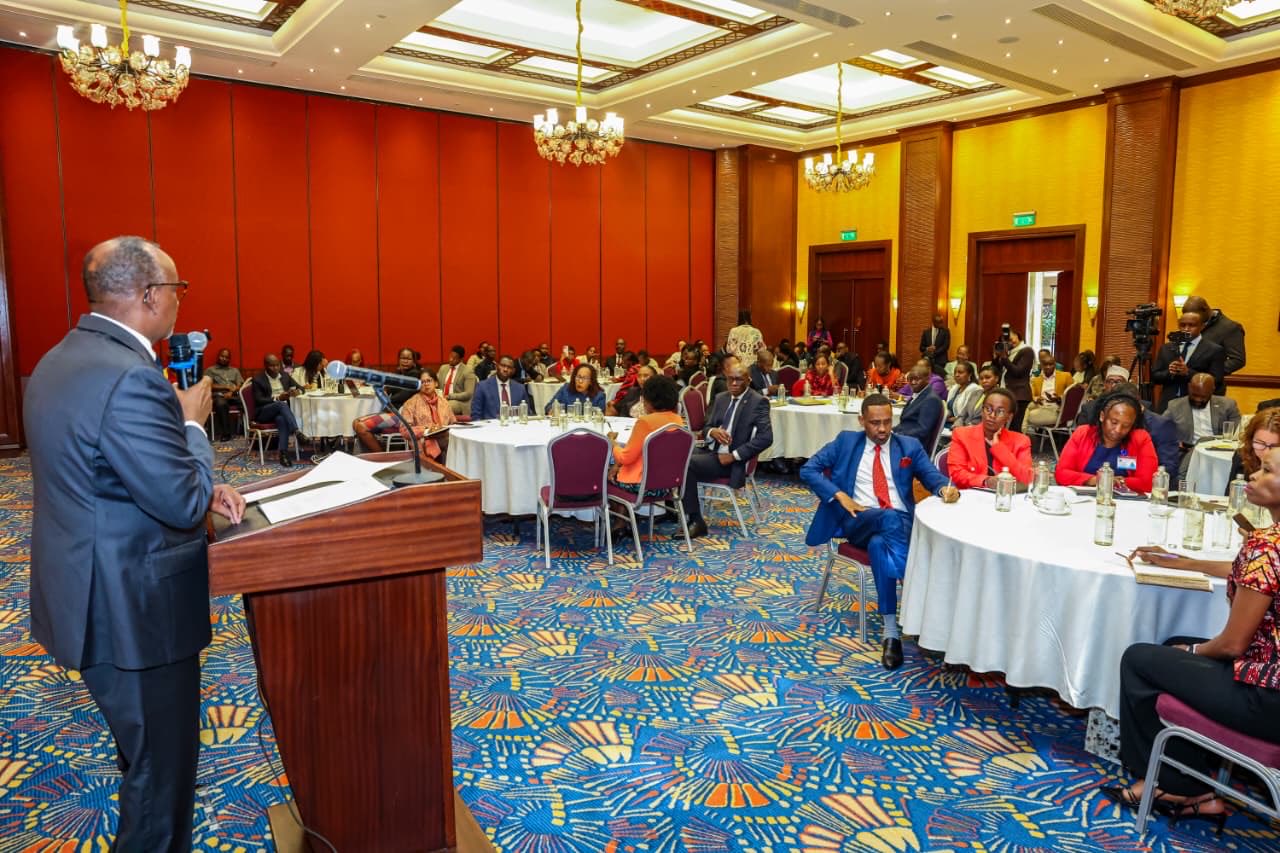
On February 23, 2026, the Ministry of Health launched the National Maternal and Perinatal Death Surveillance and Response (MPDSR) Steering Committee, marking a renewed government push to eliminate preventable maternal and newborn deaths in Kenya.
Anchored within the country’s Universal Health Coverage (UHC) agenda, the initiative reinforces the national commitment to ensure that no woman dies while giving birth and no newborn succumbs to avoidable causes.
The programme will be implemented under the Every Woman Every Newborn Everywhere (EWENE) Acceleration Plan.
Read More
"Speaking during the inauguration, the CS underscored that the MPDSR framework will be operationalised at facility, sub-county and county levels through routine, structured and action-oriented review meetings," Ministry of Health Noted.
Every reported maternal or perinatal death will trigger immediate corrective action, ensuring lessons learned translate into meaningful health system reforms.
According to the Ministry, findings from MPDSR reviews will guide national decision‑making to address persistent gaps in emergency obstetric care, referral systems, blood and essential commodity availability, and staffing shortages.
The evidence generated will inform policy reforms, targeted financing, and coordinated interventions. The Ministry described the approach as one that “transforms loss into learning by turning every maternal and perinatal death into actionable insight that protects future mothers and newborns.”
To support the rollout, the government has outlined several reforms. Policy directives to the Social Health Authority (SHA) and the Digital Health Agency (DHA) will facilitate maternity reimbursement for qualifying Level 2 and Level 3 health facilities, strengthening primary healthcare and reducing financial barriers to skilled delivery.
The SHA benefits package is under review to align with national maternal and newborn care guidelines, while ambulance referral systems are being strengthened to improve timely access to lifesaving services.
The Ministry also noted that the National Blood Transfusion Services are being reinforced to address critical shortages identified in MPDSR reviews. Counties have been urged to prioritize human resources for health through recruitment, equitable deployment, continuous professional development, and motivation of frontline health workers.
Health officials stressed that enhancing governance, regulation, and collaboration will promote quality, safety, and public confidence while advancing people‑centred, integrated healthcare. CS Duale called on healthcare providers to uphold the highest standards of professionalism, dignity, compassion, and clinical excellence in maternal and newborn care.
The Steering Committee is expected to ensure that its recommendations translate into measurable improvements in health facilities, referral networks, commodity security, financing mechanisms, and workforce support nationwide.
The inauguration ceremony was attended by Principal Secretaries Mary Muthoni (Public Health and Professional Standards) and Dr Ouma Oluga (Medical Services), Director General for Health Dr Patrick Amoth, Council of Governors CEO Mary Mwiti, and development partners including UNFPA, UNICEF, and WHO.
Stay connected with us on WhatsApp and Facebook for instant updates and breaking news as it happens.