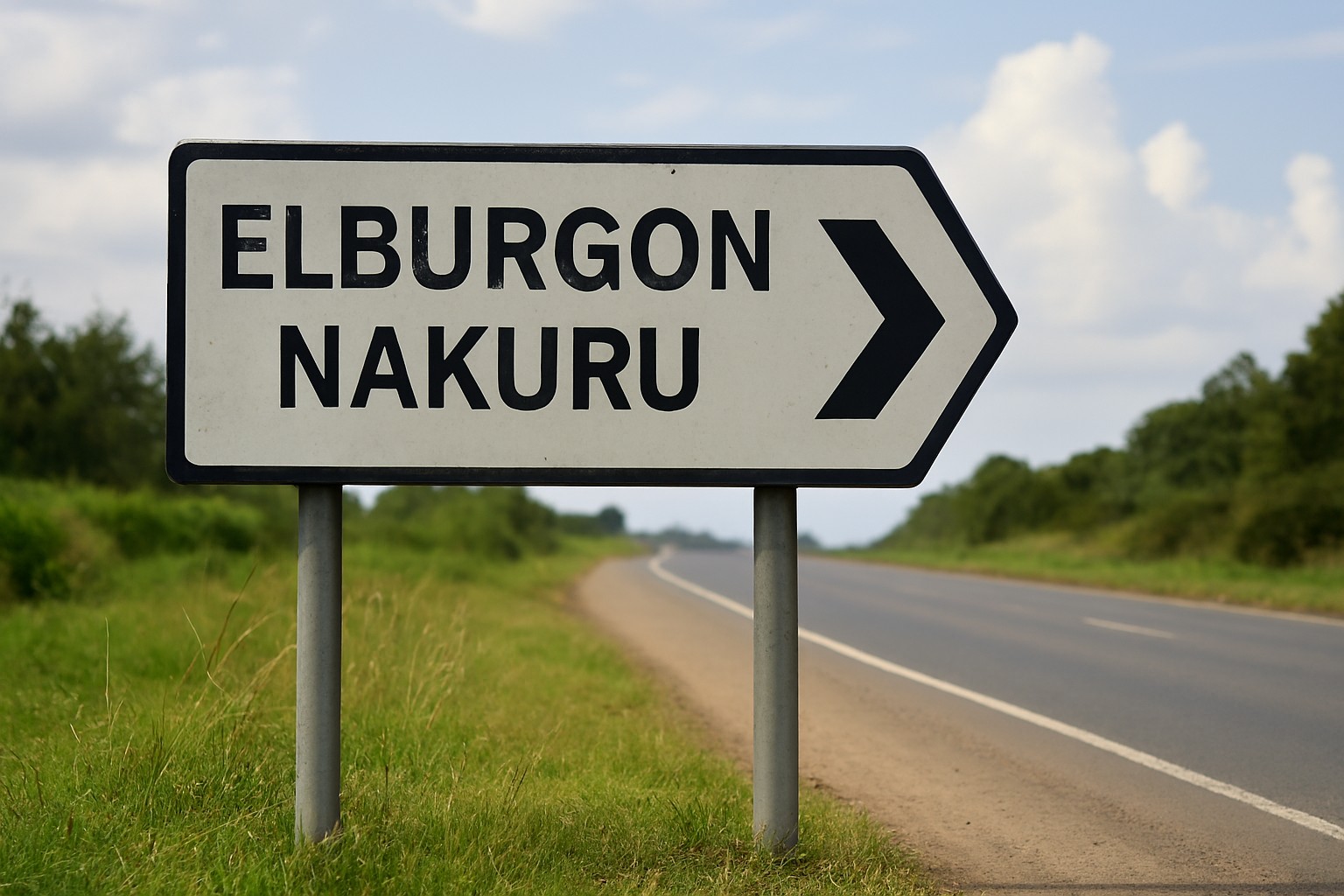
Two theories trace the town’s name. One links it to “Elburson,” a young man who secretly left his home in Tegat, prompting villagers to ask, “Elbur gone?”
Many Nakuru residents know Elburgon for its historic sawmills and timber yards. For decades, it stood as one of the county’s industrial timber hubs, supplying railway sleepers and construction wood.
Forty kilometers west of Nakuru City, along the busy Nakuru–Molo highway, lies Elburgon—a settlement whose layered history mirrors Kenya’s transformation.
Population
Today, Elburgon is home to 28,359 people, according to the 2019 Kenya Population and Housing Census. Behind that number is a community shaped by pastoral heritage, colonial enterprise, and post‑independence reinvention.
The Origin of the Name
Read More
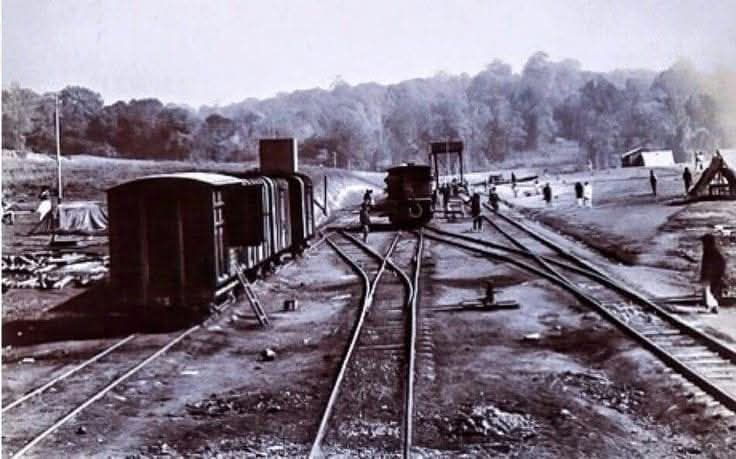
Long before railway tracks cut across the Rift Valley and sawmills roared to life, the land was open grazing territory for the Purko Maasai clan, locally known as the Ilpurko.
Two theories trace the town’s name. One links it to “Elburson,” a young man who secretly left his home in Tegat, prompting villagers to ask, “Elbur gone?”
Over time, the phrase evolved into “Elburgon.” Another version suggests colonial pronunciation gradually altered the clan name into “Elburgon.”
Another oral tradition suggest Elburgon earned the nickname “the Spanish city” in Nakuru because of the origins of its name. Historical accounts suggest that the name Elburgon may have been derived from El Burgo de Osma, a municipality in the province of Álava, Spain.
Over time, this foreign-sounding name led locals and outsiders to associate the town with Spain, hence the label Spanish city.
Timber and Colonial Growth
The early 20th century ushered in change. With the expansion of the Kenya–Uganda railway and colonial settlement in the Rift Valley, Elburgon emerged as a strategic railway station and industrial centre.
Its proximity to the Mau Forest Complex—one of East Africa’s most important water towers—made it ideal for timber extraction. Forests such as Kiptunga and Barget, located more than 20 kilometres away, supplied steady streams of logs to the growing sawmills.
Soon, Elburgon transformed from grazing fields into a bustling timber town. Sawmills processed wood for railway sleepers, construction, and other colonial projects. Employment opportunities attracted workers from across the country. Trucks and tractors hauled timber daily, while garages and workshops serviced heavy machinery.
Commerce expanded beyond timber. Prominent entrepreneurs sharpened their skills in Elburgon’s timber‑driven economy before rising to national prominence.
Elburgon had become more than a railway stop—it was an industrial lifeline feeding colonial development.
Reinvention After Independence
Timber remained central to Elburgon’s economy for years after independence. By the late 1990s, however, concerns over deforestation in the Mau Forest prompted government logging bans. The policy shift marked the end of large‑scale sawmilling and forced Elburgon into economic adjustment.
Residents turned to the land once again—this time for farming. Blessed with fertile volcanic soils and a cool highland climate, the area proved ideal for crop cultivation and dairy farming.
Gradually, Elburgon reinvented itself as an agricultural hub. Small‑scale businesses replaced major timber enterprises, and local markets began serving surrounding farming communities.
Elburgon’s population of 28,359 reflects a community that has continually adapted to change. Though the hum of sawmills has faded, the entrepreneurial spirit remains.
From Maasai grazing territory to colonial timber centre and now to an agricultural marketplace, Elburgon’s story is one of resilience—a town shaped by history, sustained by land, and defined by its ability to evolve.
For those who grew up with the hum of Elburgon’s sawmills or now farm its fertile soils, what memories or experiences stand out for you? Share them below.
Stay connected with us on WhatsApp and TikTok for instant updates and breaking news as it happens.