- In a country grappling with deforestation, climate change, droughts, and floods, the image of someone clinging to a tree resonates powerfully. It forces the public to pause, look, and talk.
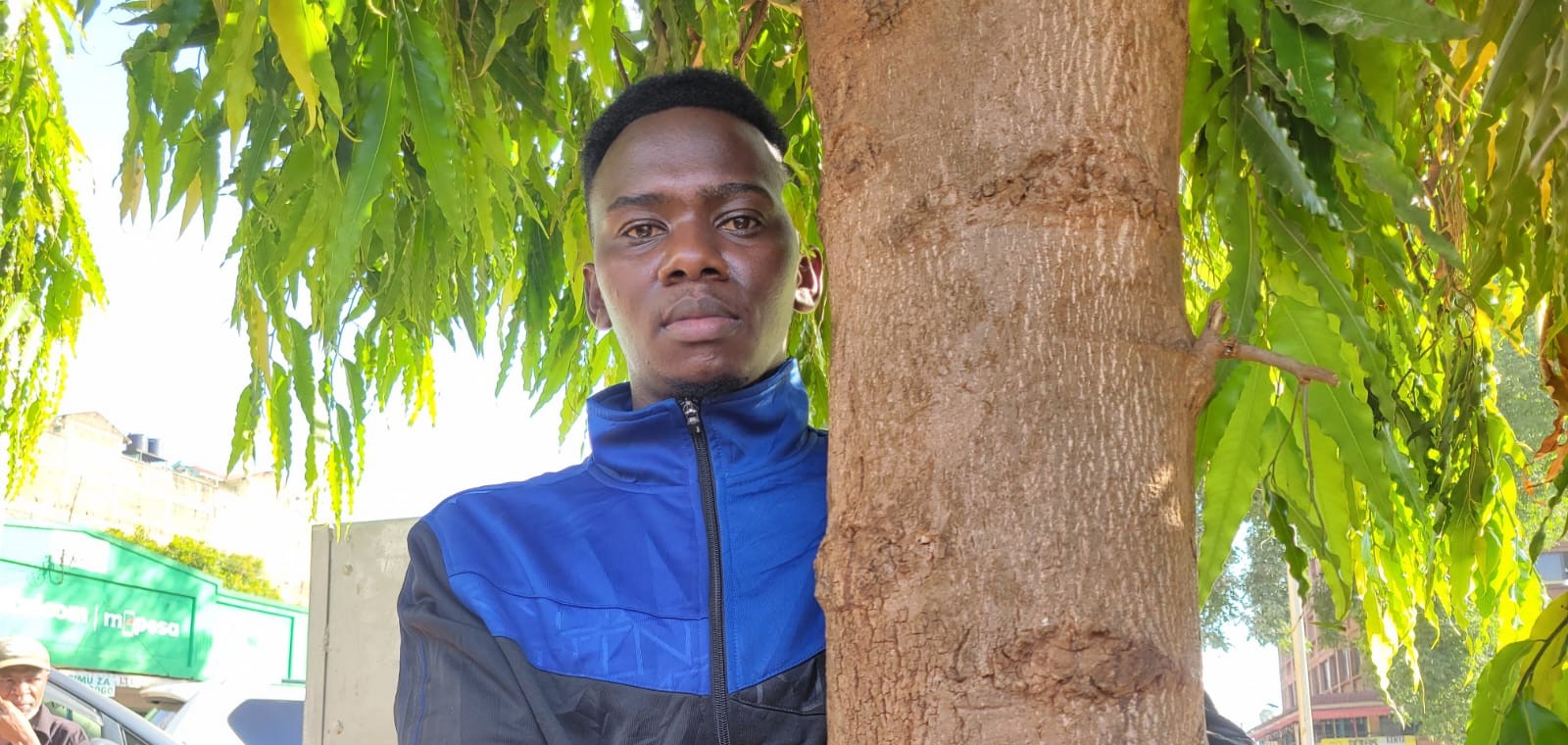
The recent 105‑hour tree hugging marathon by John Wanderi, a Form Four student at Kamura Mixed Secondary School, has reignited debate about Kenya’s newest form of symbolic protest.
Wanderi set out to surpass Truphena Muthoni’s 72‑hour record, not for fame, but to spotlight rampant drug abuse in his community. His vigil drew national attention, calls for Guinness World Records verification, and urgent conversations about the risks and meaning of this growing trend.
Tree hugging in Kenya has moved from a fringe environmental gesture to a highly visible public spectacle. Once associated with quiet conservation activism, it is now livestreamed, timed, sponsored, debated—and sometimes mourned.
The question lingers: Is tree hugging a new culture? A bold form of activism? A fundraising tool? Or simply a risky trend chasing attention?
At its core, tree hugging remains symbolic activism. It borrows from global environmental movements and echoes the spirit of Wangari Maathai’s Green Belt Movement, where simple acts sparked national consciousness.
Read More
In a country grappling with deforestation, climate change, droughts, and floods, the image of someone clinging to a tree resonates powerfully. It forces the public to pause, look, and talk.
Yet modern tree hugging in Kenya has evolved far beyond environmental protection. People now embrace it to raise awareness on cancer, peace, mental health, boy‑child challenges, and even to fund medical bills.
Truphena Muthoni’s 72‑hour challenge highlighted climate change. James Paul Kago’s 96‑hour vigil promoted peace ahead of the 2027 elections. Stephen Kachanja hugged a tree for 50 hours to raise money for his sick brother.
Josphat Ndegwa used the act to spotlight boy‑child struggles. And now, Wanderi’s 105‑hour vigil has amplified Kenya’s war on drugs.
But this evolution has exposed serious concerns around health and safety. Dr. James Kaharu, a nephrologist at Murang’a County Referral Hospital, warns: “Before you engage in such an endeavour—prolonged body exhaustion, lack of water, lack of food—you need to come to hospital and be evaluated thoroughly.”
His caution is not abstract. James Irungu, a cancer awareness campaigner, collapsed at the 79th hour of his 80‑hour challenge. The line between activism and endangerment is thin.
Concerns extend beyond physical health. The Principal Secretary for Public Health and Professional Standards Mary Muthoni, writing on X, urged organizers to integrate mental health checks: “Anyone looking to join a physical fitness challenge, especially people in at‑risk situations, really ought to get checked out first… informed consent is non‑negotiable, along with safeguarding and strict respect for personal data.”
Public opinion remains divided. Some Kenyans applaud the courage and creativity. Others see recklessness, performative activism, or emotional manipulation. The truth lies somewhere in between. Tree hugging works because it captures attention. But attention alone is not impact.
If Kenya is to embrace this form of activism, it must evolve responsibly—grounded in medical oversight, ethical fundraising, and clear purpose. Otherwise, the tree meant to symbolize life may end up standing witness to preventable harm.
Stay connected with us on WhatsApp and TikTok for instant updates and breaking news as it happens.