
- Naivasha’s history stretches from its Maasai roots, through colonial development as a railway and settler hub, to its modern identity as a center for floriculture, tourism, and industry.
If I asked you what comes to mind when you hear the word Naivasha, what would you say? For some, it’s the roar of Safari Rally cars kicking up dust. For others, it’s the calm waters of Lake Naivasha dotted with hippos. But Naivasha is more than a rally stage or a weekend escape — it’s a town rewriting Kenya’s investment story.
Naivasha’s history stretches from its Maasai roots, through colonial development as a railway and settler hub, to its modern identity as a center for floriculture, tourism, and industry.
The name comes from the Maasai word ɛnaɨpɔ́sha, meaning “that which heaves,” a description of water bodies large enough to form waves when winds rise. British settlers simplified the word to “Naivasha.” The result: Lake Naivasha literally means “Lake Lake,” and Naivasha Town translates to “Lake Town.”
In the 1890s, Naivasha grew as a stop along the Uganda Railway, connecting Nairobi to western Kenya. Its location turned it into a strategic transport hub. During the colonial period, European settlers established ranches and farms, laying the foundation for its agricultural economy.
By the 1970s, Naivasha shifted from ranching to large‑scale flower farming, transforming into Kenya’s floriculture capital. Today, more than 50 farms export roses and other flowers worldwide. The lake and surrounding Rift Valley landscapes attracted early visitors, setting the stage for Naivasha’s reputation as a tourist destination.
Read More
From 1969 to 2019, the population expanded seventeen‑fold to over 355,000, anchoring the town’s growth on the shores of Lake Naivasha.
Naivasha has proven itself a reliable investment destination, consistently delivering on its promises. Investors find opportunities across industrial, commercial, and residential real estate.
The town boasts a Special Economic Zone (SEZ) on 1,000 acres in Mai Mahiu along the Nairobi–Naivasha Standard Gauge Railway (SGR) line. It offers state‑of‑the‑art trans‑shipment, allowing seamless interchange between SGR and Meter Gauge Railways (MGR). With its Inland Container Depot (Dry Port), Naivasha diversifies transport in and out of town, linking directly to the Great Lakes Region — Rwanda, Uganda, Tanzania, and the Democratic Republic of Congo.
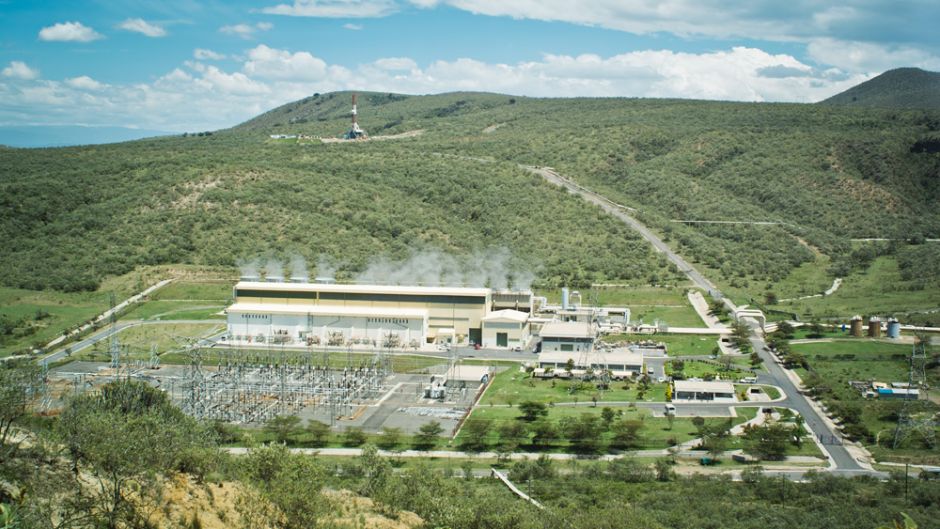
Energy drives industry here. Naivasha hosts geothermal power plants collectively known as the Olkaria Geothermal Power Stations that ensure reliable electricity and reduced costs. This advantage has attracted industries such as Roka Industries, Plantec Limited, Hygrotech, Dudutech Limited, and Keroche Breweries. Affordable energy and strategic location make Naivasha a magnet for manufacturing and processing.
As Kenya’s second most popular destination after Mombasa, Naivasha thrives on eco‑lodges, safari camps, hotels, resorts, and cultural tourism. High‑end hotels like Lake Naivasha Resort, Crescent Lake Hotel, Sweet Lake Hotel, Burch’s Hotel, and Panorama Park Hotel welcome visitors from around the world. Just 90 km northwest of Nairobi, Naivasha remains easily accessible.
Industry estimates and hotel occupancy data suggest hundreds of thousands of visitors annually, combining both domestic and international tourists. Nairobi residents flock here on weekends, while international guests explore Lake Naivasha, Hell’s Gate National Park, Crescent Island Game Sanctuary, and Mount Longonot.
Floriculture inevitably enters any conversation about Naivasha. It anchors agriculture in the town and serves global markets with roses, statice, alstroemeria, lilies, and hypericum. Over time, agriculture shifted from ranching to floriculture, reshaping the landscape into vast flower farms.
Kenya ranks as the world’s fourth‑largest exporter of cut flowers, supplying about 38% of all flowers sold in the European Union. Annual exports exceed USD 1 billion, with roses making up 70% of the total.
The industry employs over 200,000 people directly and supports more than 2 million livelihoods indirectly. Naivasha alone accounts for 70–80% of Kenya’s flower exports, with daily shipments flown from Nairobi’s Jomo Kenyatta International Airport (JKIA) to Europe, especially the Netherlands.
Naivasha has earned its status as a thriving investment destination. Its proximity to Nairobi, rapid population growth, vibrant tourism, and vast land resources position it as a town on the rise.
In the next decade, Naivasha could evolve into a hub for green energy, eco‑tourism, and regional trade — a model of sustainable growth in East Africa.
And then there’s the rally. Safari Rallies keep returning to Naivasha because its terrain, accessibility, and logistics make it ideal for the modern World Rally Championship (WRC). The Rift Valley’s rugged landscapes, proximity to Nairobi, and abundant service parks and accommodation cement Naivasha as the permanent home of the Safari Rally.

What comes to mind when you hear Naivasha today? Share your thoughts in the comments section below.
Stay connected with us on WhatsApp and Facebook for instant updates and breaking news as it happens.