

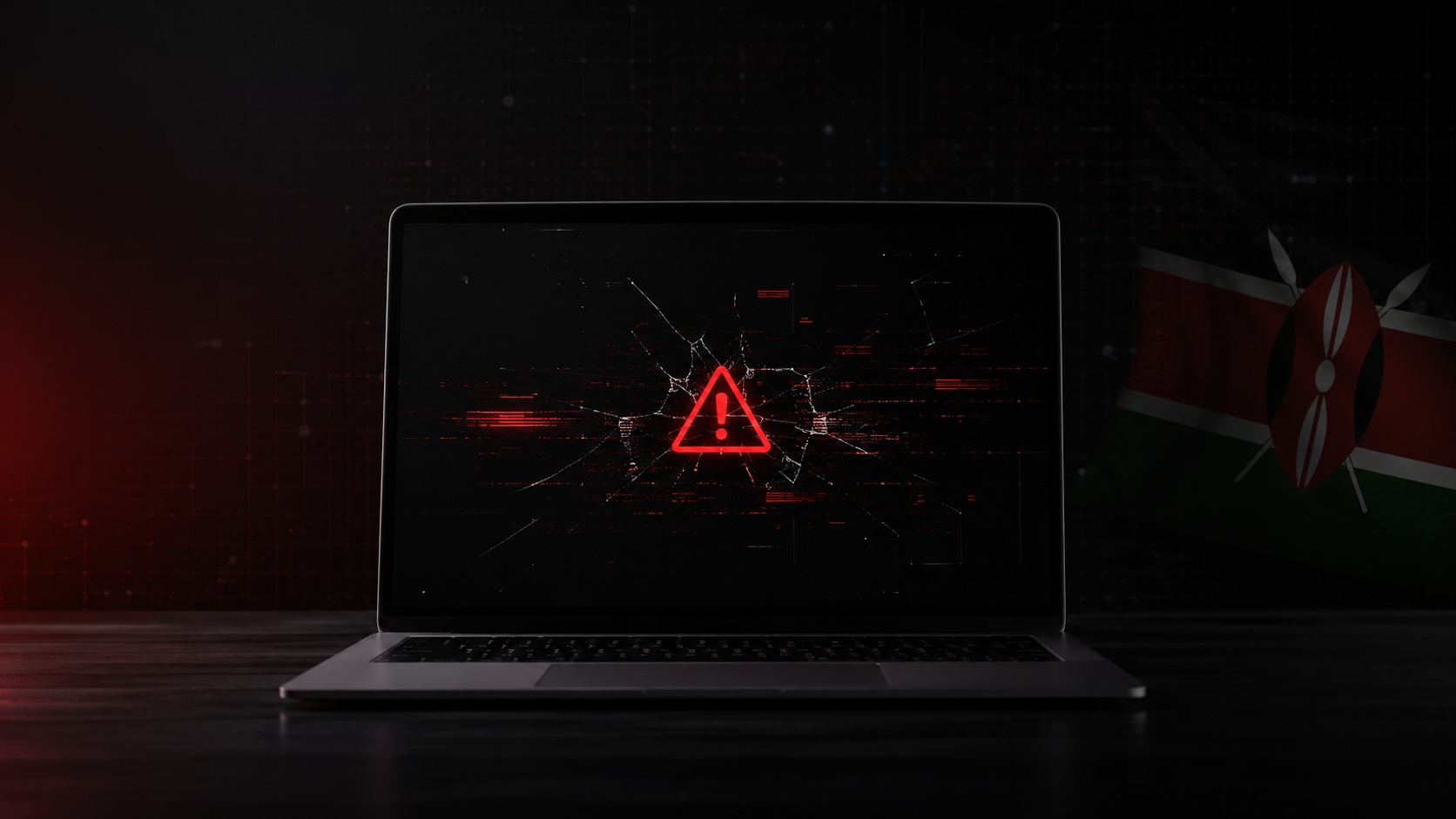
A ransomware attack targeting President William Ruto’s official website has exposed the growing cybersecurity challenges facing Kenya. As billions of cyber threats hit the country’s digital space, the incident raises concerns over the safety of government platforms, citizen data and the future of Kenya’s digital transformation.
On July 18, 2026, the official website of President William Ruto was compromised and replaced with messages targeting the Head of State, along with a ransom demand of 5 Bitcoins, approximately KSh 41 million.
The attackers threatened to leak “everything” unless payment was made, published a cryptocurrency wallet address, and set a 6 p.m. deadline that same day. The website remained compromised for several hours before the government took it offline. The ICT team responded by launching investigations, engaging forensic experts, and restoring the website by Monday.
Officials have since stated that there is no evidence sensitive data was accessed or stolen, and that other government digital services were not significantly affected. However, the incident has raised fresh concerns about the security of Kenya’s rapidly expanding digital ecosystem
Why It Hits Hard for Kenyans
The attack comes at a time when Kenya is experiencing a growing wave of cyber threats. In the first quarter of 2026, data from the Communications Authority of Kenya showed that between 2.3 billion and 3.37 billion cyber threat events were detected, while more than 20 million cybersecurity advisories were issued quarterly to help organisations respond to emerging risks.
Read More
These threats include malware, phishing attacks, ransomware attempts, vulnerability scans, and distributed denial-of-service (DDoS) attacks. According to the Communications Authority of Kenya, through KE-CIRT/CC, government institutions, businesses, and individuals remain frequent targets as more services continue to move online.
Millions of Kenyans now depend on digital government platforms such as eCitizen for essential services, including business registration, payments, identification services, and licences. The compromise of a high-profile government website sparks doubts about the safety of the wider digital infrastructure that citizens depend on every day.
To address these risks, the government continues strengthening cybersecurity through several measures:
1. National Computer and Cybercrimes Coordination Committee (NC4) – Coordinates national responses to cybercrime, supports investigations, and advises on cybersecurity policies.
2. Kenya Computer Incident Response Team – Coordination Centre (KE-CIRT/CC) – Monitors cyber threats, issues security advisories, coordinates responses to incidents, and helps organisations improve cyber resilience.
3. National Artificial Intelligence Strategy (2025–2030) – Addresses emerging risks associated with artificial intelligence, including AI-driven cyber threats, deepfakes, and the responsible adoption of technology.
4. Cybersecurity awareness and capacity-building programmes – promote digital safety awareness, develop cybersecurity skills, and encourage institutions and citizens to adopt stronger security practices.
This incident serves as a reminder that Kenya’s digital transformation must be matched by stronger protection of the systems millions of citizens increasingly rely on.




-1784380637-md.jpg)





-1784380637-sm.jpg)