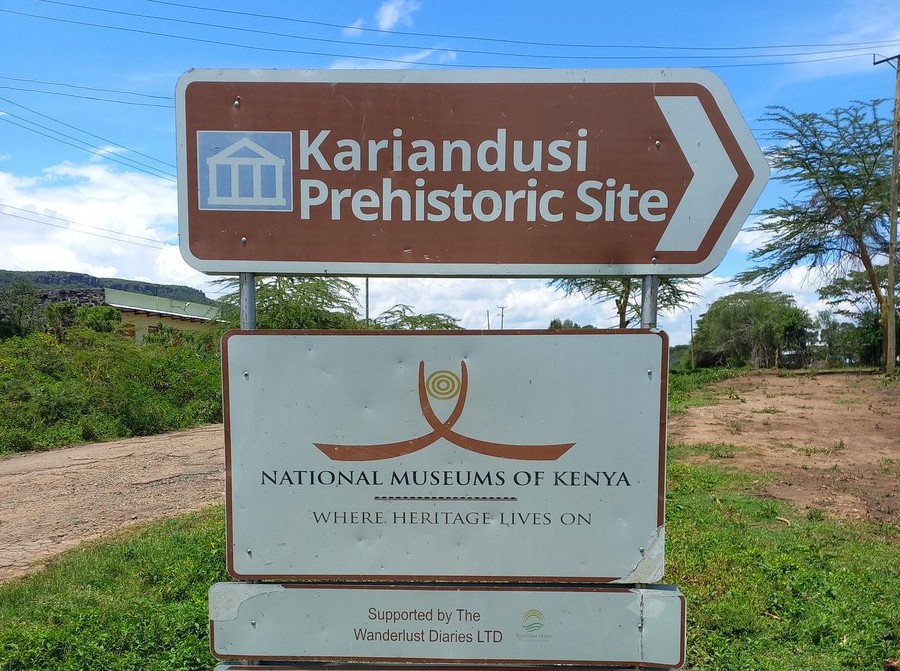
- Kariandusi is a real place — a prehistoric site that Kenyan‑British paleoanthropologist Louis Leakey uncovered in 1928, nestled on the southeastern edge of the Great Rift Valley near Lake Elmenteita.
Do you remember learning in school about Kariandusi near Gilgil? For many, it was just a name in a history book.
Kariandusi is a real place — a prehistoric site that Kenyan‑British paleoanthropologist Louis Leakey uncovered in 1928, nestled on the southeastern edge of the Great Rift Valley near Lake Elmenteita.
Dating back nearly one million years, the site preserves Acheulean stone tools left behind by Homo erectus.
In the 1960s and 1970s, the Kenyan government, through the National Museums of Kenya, gazetted Kariandusi as a national monument, shifting it from a research site to a protected heritage landmark.
Read More
By the late 20th century, museum facilities, trails, and educational exhibits transformed Kariandusi into a public learning center.
Today, Kariandusi stands as a living classroom along the Nairobi–Nakuru Highway, where school groups, researchers, and travelers walk in the footsteps of early humans.
Just outside Gilgil in Nakuru County, the Kariandusi Prehistoric Site Museum showcases one of East Africa’s earliest archaeological discoveries.
Leakey’s excavation revealed thousands of hand axes and stone tools that reshaped global understanding of human origins.
Visitors encounter a vivid blend of history and nature. The museum displays stone tools, fossils, and excavation sites, offering rare glimpses into the survival strategies of early humans.
The surrounding landscape, dotted with caves and framed by Lake Elmenteita, adds to the site’s allure. Guides explain how Kariandusi’s discoveries placed Kenya at the center of human evolution research.
Managed today by the National Museums of Kenya, Kariandusi offers more than archaeology.
Visitors wander trails through exposed excavation pits, marvel at ancient hand axes in the exhibition hall, and gaze across Rift Valley escarpments that have changed little since prehistoric times.
The grounds feature picnic spots, nature trails, campsites, and even a monumental colonial‑era church, making Kariandusi an engaging stop for families, school groups, and history lovers alike.
Easily accessible along the Nairobi–Nakuru Highway, the site welcomes travelers with guided tours, modest entry fees, and educational exhibits.
Kariandusi is not just a museum — it is a journey back in time. Here, visitors walk where early humans once lived and discover Kenya’s unique role in the story of humanity.
Yet the area surrounding Kariandusi along the Nakuru–Nairobi Highway also carries a modern challenge: it has been identified as a high‑risk, narrow, and black spot for traffic accidents, reminding us that history and present realities often intersect.
When you first heard about Kariandusi in school, did you ever imagine you might one day stand on its ancient grounds and see the tools of early humans for yourself?
Stay connected with us on WhatsApp and TikTok for instant updates and breaking news as it happens.
-1770803686-md.png)



-1770803686-sm.png)